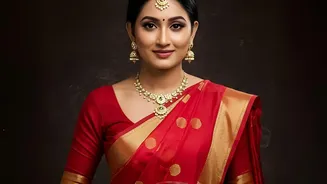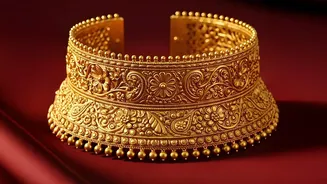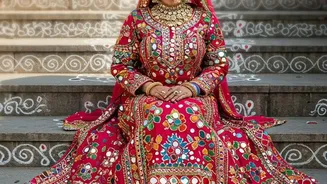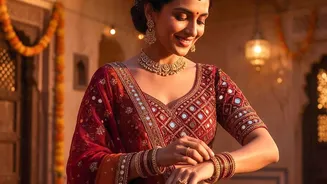

In any Indian household, gold is an undeniable symbol of wealth. But its true value isn't just measured in karats or market rates. It’s counted in memories, milestones, and a profound sense of security that transcends finances.
A Legacy of Empowerment and 'Stridhan'
For centuries, gold has
been a cornerstone of a woman's financial autonomy in India. The concept of 'Stridhan', which translates to 'woman's wealth', refers to the assets, primarily gold jewellery, that a woman receives from her family and in-laws before, during, and after her marriage. Historically, in a patriarchal society where property rights for women were limited, Stridhan served as a crucial form of personal financial security. This wasn't just a gift; it was her inheritance in a portable and controllable form. Legally, this wealth belongs exclusively to the woman, offering a safety net and a degree of independence. This tradition embeds gold with a sense of empowerment, making it a woman's own asset in a way that few other things is. It represents security she can hold in her hands, passed down from one generation to the next.
The Tangible Weight of Assurance
In a world of volatile markets and digital assets that exist only on screens, the physical nature of gold offers a unique psychological comfort. You can see it, touch it, and wear it. This tangibility provides a feeling of control and permanence that abstract investments often lack. For many families, gold is a trusted anchor during times of economic uncertainty. It is often viewed as a 'rainy day' fund, a reliable asset that can be liquidated in an emergency without navigating complex financial systems. This physical reassurance is powerful; it’s a visible and constant reminder of stability and preparedness earned through hard work and savings, bringing immense pride and peace of mind to the household.
Memory Forged in Gold
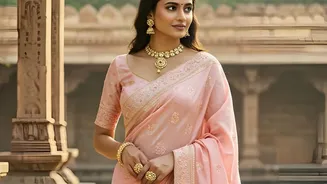
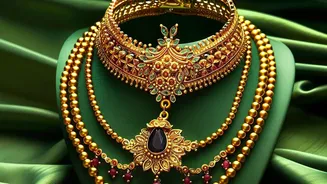
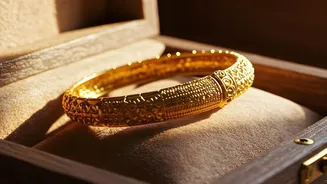
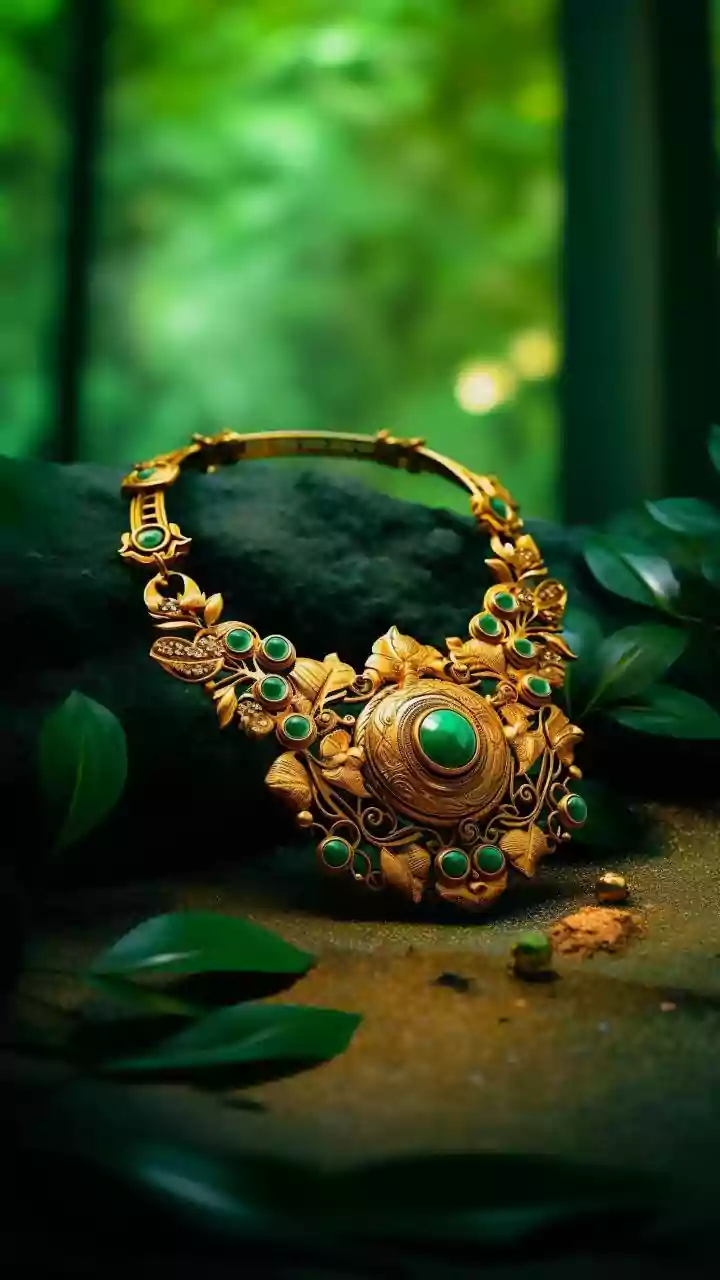
Almost every piece of gold jewellery in an Indian home tells a story. People often remember not just the jewellery itself, but the specific moment it entered their lives. A pair of bangles from a grandmother, a necklace from a wedding day, a small ring purchased to celebrate a first salary—these items are emotional archives. Gold is deeply woven into life’s most significant milestones, from births and weddings to festivals like Dhanteras and Akshaya Tritiya, where buying gold is considered auspicious. Each piece becomes layered with personal history and nostalgia, its value growing with every memory attached to it. Unlike other luxury goods, gold is rarely purchased without an emotional reason, transforming it from a simple commodity into a cherished symbol of life's most special moments.
Connecting Generations Through Heirlooms
Gold jewellery is one of the most common and cherished heirlooms passed down through Indian families, acting as a physical link between generations. A mother passing down her wedding jewellery to her daughter is a tradition that carries not just monetary value, but also blessings, stories, and a sense of continuity. These pieces are living history, worn by ancestors and imbued with their presence. Even if heirloom jewellery is redesigned to suit modern tastes, families often preserve parts of the original piece due to the deep emotional connection. This act of passing down gold strengthens family bonds and preserves a legacy, ensuring that the family's history and traditions endure. It is a way of keeping love and memory alive, long after a person is gone.