




The Dreaded 7kg Rule
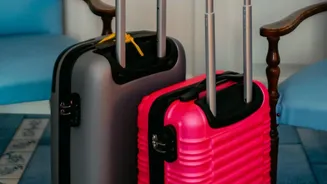
For frequent flyers in India, the 7kg cabin baggage allowance is a familiar constraint. Most domestic airlines strictly enforce this limit, forcing travellers into a difficult balancing act. You're often faced with a choice: pack your favourite bulky
sweater and sacrifice other essentials, or travel with less than you need. This is especially challenging for longer trips, winter travel, or journeys that require a mix of outfits. The result is often a frustrating experience at the check-in counter, involving last-minute repacking or paying excess baggage fees.
What Are Vacuum Compression Bags?
Vacuum compression bags are sealable plastic bags designed to remove excess air from soft, bulky items like clothing and blankets. By sucking out the air, these bags can shrink the volume of your clothes by up to 60-80%, turning a puffy jacket into a flat, dense package. Unlike packing cubes, which primarily help with organisation, the main purpose of compression bags is to save a significant amount of space. They are a game-changer for anyone trying to fit more into a small carry-on bag.
How Do They Work?
The magic of these bags lies in their simple but effective technology. Most travel-friendly versions don't even require a vacuum cleaner. After placing your neatly folded clothes inside, you seal the bag. Then, you simply roll it up tightly from the sealed end. This action forces the air out through a special one-way valve at the other end. Once the air is out, you unroll the now-flat bag and pack it. Some versions come with a small, portable hand pump for even greater compression. The key takeaway is that they reduce volume, not weight—a crucial distinction for mastering the 7kg limit.
The Volume-to-Weight Advantage
Since compression bags don't reduce weight, how do they help with a weight limit? The answer is efficiency. By drastically reducing the volume of your clothes, you create more physical space in your bag. This allows you to pack essential but lightweight items that you might have otherwise left behind. Think about a fleece jacket, a bulky shawl, or an extra pair of trousers. These items don't weigh much, but they take up a lot of room. By compressing them, you can easily fit them into your cabin bag while still having space for other necessities, making it easier to manage the overall 7kg weight.
Beyond Saving Space
The benefits of these bags extend beyond just creating more room. The airtight seal offers excellent protection for your clothes. It keeps them safe from moisture, mildew, dust, and odours, which is invaluable if you're travelling during monsoon season or to a dusty destination. It also means you can pack a damp swimsuit or a used gym kit without it affecting the rest of your clean clothes. This organisational benefit helps keep your luggage tidy and your belongings fresh throughout your journey.
Choosing and Using Them Wisely
When shopping for compression bags, look for durable, thick plastic, as cheaper versions can tear easily. For travel, the roll-up kind is often most convenient as it requires no extra tools. However, there are some things to keep in mind. Because you are compressing items so tightly, clothes can become wrinkled. This makes them better for knitwear, jackets, and casual clothes rather than formal shirts or suits. Also, be mindful not to fall into the trap of overpacking. Just because you have more space doesn't mean you can ignore the scale. Use the extra room for lightweight essentials, not heavy souvenirs.