




The Myth of 'Just Cotton'
While cotton is known for being durable, not all cotton is created equal. The fabric's final properties depend on the length of its fibres, how it's woven, and any finishes applied. A heavy denim twill, a light and airy cotton voile, and a soft knit jersey
all start as cotton but behave very differently when washed. Factors like weave density, dye type, and whether it's blended with other fibres mean that a one-size-fits-all washing approach can cause damage. The most common mistakes include using water that is too hot, which can cause shrinkage, and mixing heavy fabrics with delicates, which leads to excess wear and pilling.
Everyday T-Shirts and Basics
Your standard cotton t-shirts, tops, and pyjamas are generally the most forgiving. These are typically made from cotton jersey, a knit fabric that's soft and has some stretch. To keep them looking their best, turn them inside out before washing to protect prints and prevent pilling. Wash them in cold or warm water on a normal cycle. While white cotton can often handle hot water, washing coloured items in cold water is the best way to prevent fading and reduce energy consumption. Air-drying is always the gentlest option, but if you use a machine, choose a low heat setting to minimise shrinkage.
Sturdy Denims and Canvases
Denim jeans, jackets, and heavy canvas items need a different strategy. The biggest goals are to preserve their colour and fit. You should wash these items infrequently; many experts recommend washing jeans only after every 5-10 wears. When you do wash them, always turn them inside out, close zips, and use cold water on a gentle cycle. This prevents the rich indigo dye from fading and reduces friction that wears the fabric out. It's best to wash denim with other similar heavy, dark items. Avoid the dryer if possible; hang them to air dry to prevent shrinking and maintain their shape.
Delicate Voiles and Muslins
Lightweight and sheer cottons like voile and muslin, often found in summer dresses, dupattas, and kurtas, require a delicate touch. These fabrics can easily be damaged by rough handling. Hand washing in cold water with a mild detergent is the safest method. If you must use a machine, place the garment in a mesh laundry bag and select the delicate or gentle cycle with a low spin speed. Never wring or twist these fabrics; gently squeeze out excess water. Always air dry them, preferably flat or on a padded hanger, away from direct sunlight which can cause colours to fade.
A Word on Care Labels
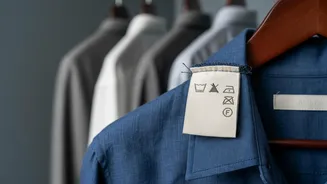
The single most important source of information for any garment is its care label. Those little symbols provide specific instructions from the manufacturer on the ideal water temperature, wash cycle, and drying method. Sorting laundry by fabric type, not just by colour, is a game-changer for extending the life of your clothes. Grouping heavy items like jeans away from delicate knits and blouses prevents the lighter fabrics from getting stretched, snagged, or damaged by the friction and weight of the heavier ones. A little extra sorting time pays off in the long run.