

The Search for 'Better-for-You' Bites
The single biggest driver behind this change is a massive surge in health consciousness. A growing number of Indians, particularly in urban areas, are becoming more mindful of what they eat. Concerns about lifestyle diseases and a general move towards
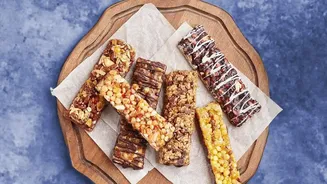
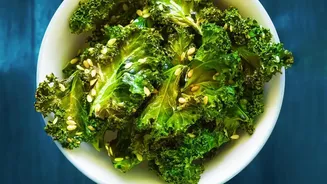
wellness have made consumers wary of traditional snacks, which are often fried and high in salt, sugar, and refined flour. This has created a booming market for "better-for-you" alternatives. A consumer study revealed that health is a primary factor in snacking decisions for 72% of respondents, who actively seek functional benefits like energy and protein. This trend is evident in the rising popularity of snacks that are baked, popped, or roasted instead of fried. Consumers are increasingly reading labels, with 55% preferring products with natural, preservative-free ingredients. This has paved the way for millet-based chips, flavoured makhana (fox nuts), roasted chickpeas, and multigrain crackers to move from niche health food stores to mainstream supermarket shelves.
An Appetite for Premium and Global Flavours
Alongside the health trend, rising disposable incomes have fuelled a move towards premiumisation. Indian consumers are increasingly willing to pay more for snacks that offer higher quality ingredients, sophisticated flavours, and better packaging. This shift is not just about being healthier; it's also about seeking new and elevated taste experiences. As Indians travel more and are exposed to global cuisines through digital media, their palates are becoming more adventurous. This has led to a surge in demand for snacks with international flavour profiles, such as peri-peri, cheese, and even Korean-inspired spices. Legacy brands and new startups are tapping into this by reinventing traditional products like banana chips and makhana with gourmet seasonings. This trend suggests that for many, snacking is no longer just about satiating hunger but is an affordable indulgence and a form of culinary exploration.
The Rise of Digital-First Snack Brands
The changing consumer palate has been met with a wave of innovation, largely driven by new-age, direct-to-consumer (D2C) brands. These digital-native companies are agile, using social media to build communities and tell stories about their ingredients and sourcing. They have successfully challenged the dominance of legacy FMCG giants by catering to specific needs that were previously ignored, such as clean-label foods, protein-rich bars, and vegan options. The rapid expansion of quick commerce platforms has been a game-changer, dramatically improving the discovery and accessibility of these new brands. Snacks are a huge category on these 10-minute delivery apps, allowing impulse purchases to turn into loyal habits. The online retail channel for healthy snacks is the fastest-growing segment, allowing brands to reach consumers directly, even in Tier 2 and Tier 3 cities, bypassing the crowded shelves of traditional retail.
How Traditional Players Are Adapting
The old guard of the snack world is not standing still. Major established companies are responding to this market shift in several ways. Many are launching their own healthier product lines, such as baked chips, multigrain biscuits, and snacks with reduced sugar and salt to cater to the health-conscious consumer. Some are also acquiring successful D2C startups to quickly gain a foothold in the healthy and premium segments. This allows large corporations to tap into the innovation and brand loyalty built by smaller players while providing the startups with extensive distribution networks and marketing muscle. Some legacy brands are also experimenting with premiumisation themselves, for instance by using higher-quality oils or launching artisanal versions of traditional namkeens. This hybrid strategy of in-house innovation and acquisition shows that the entire industry recognizes this consumer shift is permanent.