






That wonderfully fragrant, citrus-meets-ginger aroma that defines so many Southeast Asian dishes? That’s often the magic of lemongrass. While it may look intimidating, this woody stalk is surprisingly simple to master for your home cooking.
Choosing and Storing Your Stalks
Your journey
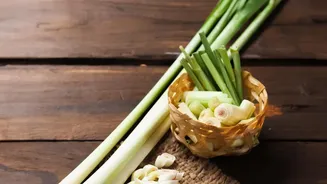
to a perfect lemongrass stir-fry begins at the market. Look for stalks that are firm, feel heavy for their size, and have a pale green hue near the bulbous white base. Avoid any that look dry, bruised, or lightweight, as they've likely lost their potent aromatic oils. Once you get them home, fresh lemongrass stores remarkably well. Wrap the untrimmed stalks in plastic wrap or a damp cloth and they can last for up to two weeks in your refrigerator's crisper drawer. For longer-term storage, the freezer is your best friend. You can freeze the stalks whole, or better yet, pre-chopped or minced in an airtight container for up to six months. Freezing not only preserves the flavour but also helps break down the tough fibres, making it even easier to prep when you're ready to cook.
The Essential Prep for Stir-Frying
To be eaten in a stir-fry, lemongrass needs to be prepared correctly to avoid a woody, fibrous texture in your final dish. You only want to use the most tender part of the stalk. Start by trimming off the hard root end (about an inch) and the dry, leafy green tops. Peel away one or two of the tough, papery outer layers until you reach the paler, more tender core. For a stir-fry, the goal is to mince it very finely. First, thinly slice the tender stalk into coins. Then, gather the slices and chop them repeatedly until you have a fine mince. An even easier method is to first smash the trimmed stalk with the flat side of a heavy knife or a meat mallet to bruise it and release its aromatic oils before you begin slicing and mincing.
Building Your Lemongrass Stir-Fry
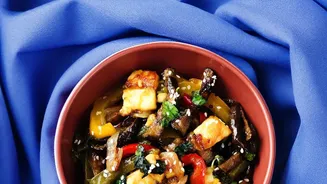
With your lemongrass prepped, you're ready to build your stir-fry. Lemongrass has a bright, clean taste that pairs beautifully with a wide array of ingredients. For a foundational stir-fry, always start with other aromatics. Garlic, ginger, and shallots are classic partners that create a flavour base. Add your minced lemongrass to the hot oil for a minute or two until it becomes fragrant before adding your main ingredients. Chicken and shrimp are particularly well-suited to lemongrass stir-fries, absorbing its citrusy notes wonderfully. For vegetables, consider options like bell peppers, onions, green beans, and mushrooms. The key is to add the lemongrass early in the cooking process to allow its flavour to infuse the entire dish.
Perfect Flavour Combinations
The magic of a stir_fry lies in its sauce, which ties all the elements together. Lemongrass shines when balanced with other classic Southeast Asian flavours. A simple and effective sauce can be made by combining fish sauce, lime juice, a touch of sugar, and soy sauce. This mixture of salty, sour, sweet, and umami perfectly complements the lemongrass. For a creamier, richer stir_fry, coconut milk is an unbeatable partner. The creaminess mellows the intensity of the lemongrass while enhancing its aromatic qualities. Don't be afraid to introduce some heat; bird's_eye chillies or even a milder jalapeño can be added with the aromatics to give the dish a pleasant kick that elevates the citrus notes.
Beyond the Basics: Creative Ideas
Once you're comfortable with the basics, you can start experimenting. Try a Vietnamese_style 'gà xào sả ớt', which combines lemongrass, chicken, and chilli for a powerfully flavourful dish often served with steamed rice. You can also incorporate other fragrant elements like a few torn makrut lime leaves for an extra layer of citrus aroma. For a different texture, try adding toasted peanuts for a bit of crunch. Your stir_fry doesn't always have to be served with rice. You can use it to fill a 'banh mi' baguette for a delicious sandwich or serve it over rice vermicelli noodles with fresh herbs for a lighter noodle bowl.