







From Possessions to Profile Posts
A fundamental shift is underway in how young Indians define success and happiness. The focus is moving away from accumulating material goods and towards collecting memories and moments. This is the 'experience economy' in action, a trend where spending
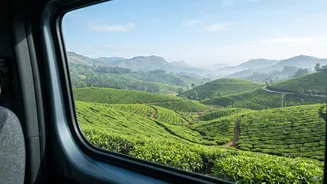
on doing things outweighs spending on owning things. Projections show that by 2030, spending on experiences like travel, dining, and events in India is expected to grow faster than spending on physical goods. Research indicates a large majority of Indian millennials and Gen Z would rather spend their money on an experience than on a product. This isn't just a fleeting fad; it's a deep-seated change in values. For a generation that grew up with smartphones, status is no longer just about what you have in your garage, but what you have on your social media feed.
The Social Currency of a Good Story
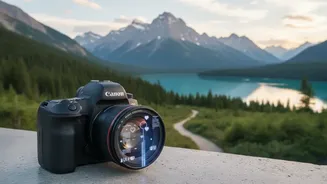
At the heart of this trend is the powerful influence of social media. An experience that cannot be photographed, shared, and validated online almost feels as if it didn't happen. For Gen Z and millennials, platforms like Instagram are not just for sharing updates; they are for building a personal brand. A carefully curated feed of interesting travels, exclusive events, and unique activities becomes a form of social currency. It communicates a life rich with adventure, taste, and access. This desire for shareable moments is so strong that for many, the 'Instagrammability' of a destination or event is a key factor in their decision-making process. The likes, comments, and views that follow a post provide a sense of validation and community connection in an increasingly digital world.
The Fear of Missing Out (FOMO)
The constant stream of curated, picture-perfect lives on social media also fuels a powerful psychological driver: the Fear of Missing Out, or FOMO. Seeing friends and influencers at concerts, on holidays, or at trendy new restaurants creates a sense of urgency to participate. This social pressure can influence purchasing decisions, pushing young consumers to spend on experiences to feel included and keep up with their peers. Studies show that this feeling is a significant factor in the spending habits of urban youth, who are constantly exposed to new trends and exclusive offers through their feeds. The goal is not just to have fun, but to avoid the feeling of being left behind while everyone else is living a more exciting, shareable life.
An Investment in Memories
Beyond the social pressures, there is also a pragmatic element to this shift. For many young people, traditional markers of wealth like property feel increasingly out of reach. In this context, spending on experiences can feel like a more attainable and immediate form of investment—an investment in personal growth, happiness, and memories. Research consistently shows that money spent on experiences provides a longer-lasting sense of well-being than money spent on material objects. As one sociologist noted, with a perception of life as uncertain, experiences that offer personal growth are seen as more meaningful than possessions. This is amplified by the rise of remote work and affordable travel options, which make it easier than ever to blend life, work, and adventure.
What's on the Experiential Menu?
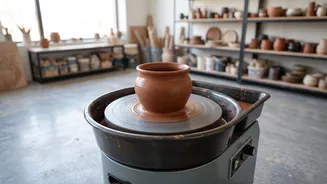
The demand is diverse, spanning from grand adventures to local activities. India's experience economy, projected to nearly double to almost $60 billion by 2030, includes everything from music festivals and live concerts to destination weddings. Major international artist tours can generate enormous economic impact, underscoring the massive demand for live events. But it's not just about big-ticket items. There's a booming market for smaller, more frequent experiences within one's own city, such as wellness workshops, coffee brewing classes, and curated food trails. These activities offer a quick dose of novelty and fulfilment without the need for extensive planning, fitting perfectly into the fast-paced lives of urban professionals.