


The Undeniable Power of the Line
In the world of interior design, patterns are powerful storytellers, and stripes are the most foundational narrative of all. They bring a sense of order and structure to a space. Our eyes are naturally drawn to the clean, repeating lines, which can create
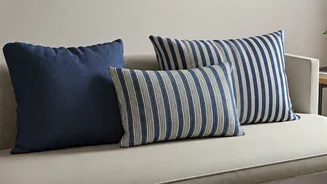
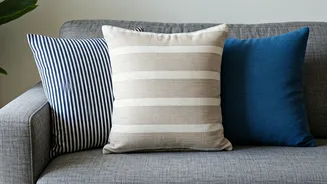
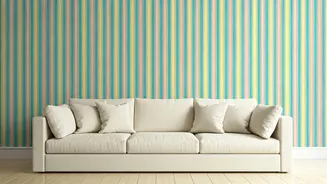
a feeling of calm and cohesion. But their magic goes beyond just looking neat. Vertical stripes can create an illusion of height, drawing the eye upward and making a ceiling feel higher. Horizontal stripes can make a sofa or a bed appear wider and more expansive. This subtle visual manipulation is a classic designer trick that you can easily deploy with a few well-placed cushions, instantly making your space feel more considered and dynamic without ever picking up a paintbrush.
A Stripe for Every Style
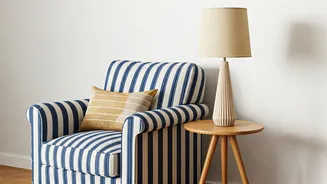
One of the greatest strengths of the stripe is its incredible versatility. Unlike more specific patterns that lock you into a certain aesthetic, stripes can adapt to virtually any decor style. For a chic, modern living room, think bold, high-contrast black and white stripes. If you’re aiming for a relaxed, coastal vibe, soft blue and cream or sandy beige and white ticking stripes evoke the breezy feeling of a beach house. In a traditional setting, rich jewel-toned stripes in silk or velvet add a touch of regal elegance. Even bohemian and maximalist spaces benefit from stripes; a multi-coloured, irregular stripe can act as a grounding element amidst a sea of florals and paisleys. They are the ultimate design chameleon, able to feel classic, trendy, formal, or playful depending on their colour, scale, and fabric.
How to Choose Your Perfect Stripe
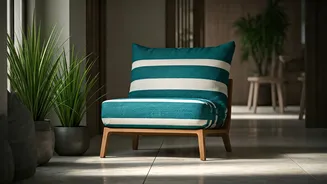
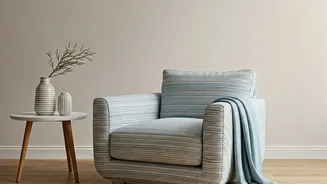
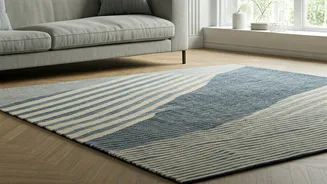
With so many options, picking the right stripe can feel daunting, but it’s simpler than you think. First, consider the scale. Thick, chunky stripes (often called cabana stripes) make a bold, graphic statement and work well in larger rooms or as a singular accent. Thinner, more delicate stripes (like pinstripes or ticking stripes) are more subtle and textural, perfect for layering and creating a sense of understated elegance. Next, think about colour. To make a statement, choose a striped cushion that pulls an accent colour from a piece of art or a rug in the room. For a more neutral, cohesive look, opt for stripes in shades that are already present in your main furniture, like your sofa or headboard. Finally, consider the material. A linen or cotton stripe feels casual and relaxed, while a velvet or silk stripe adds a touch of luxury and formality.
Mixing Patterns Like a Pro
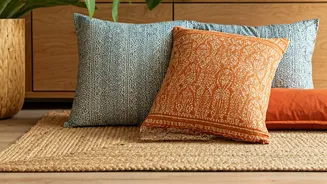
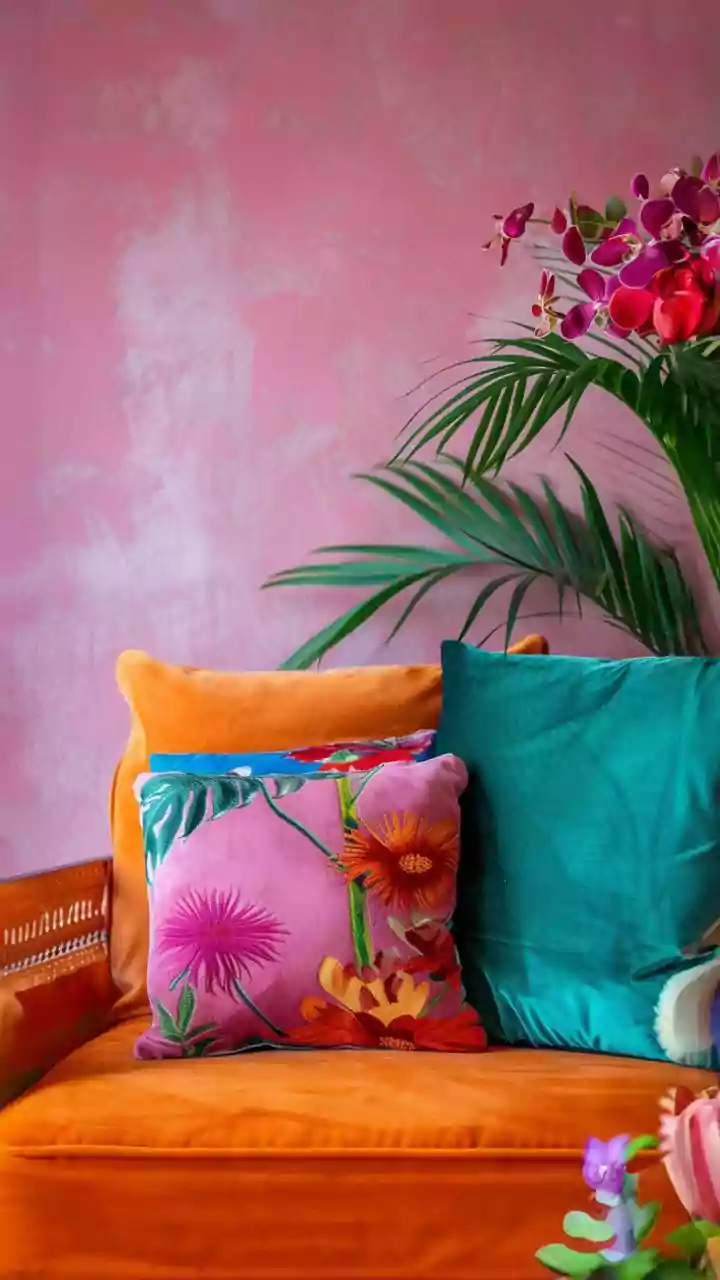
The fear of clashing patterns stops many people from experimenting, but striped cushions are the perfect gateway to confident pattern mixing. The golden rule is to vary the scale of your patterns. If you have a bold, large-scale floral cushion, pair it with a cushion featuring a thin, simple stripe. The stripe acts as a neutral, giving the eye a place to rest and preventing the combination from feeling chaotic. You can also pair two different types of stripes, as long as their scales are distinct—for instance, a wide cabana stripe with a narrow pinstripe. The key is to ensure the patterns share at least one common colour to tie them together. This creates a look that is layered and intentional, not accidental and messy. Start small, and you'll quickly see how stripes can help bridge the gap between solid colours and more complex designs.
The High-Impact, Low-Commitment Hero
This brings us back to the core genius of this decor hack: its affordability and low commitment. A new sofa, rug, or coat of paint is a significant investment of both time and money. Cushions, on the other hand, are relatively inexpensive and completely reversible. For the price of a takeaway meal, you can introduce a new colour palette or a fresh dose of personality to your sofa or bed. If you get tired of the look in a few months or want to switch things up for a new season, you can simply swap the covers. This flexibility allows you to play with trends without long-term risk. A striped cushion delivers the maximum amount of visual impact for the minimum amount of financial and emotional investment, making it the smartest, simplest update in any decorator’s toolkit.