




Before You Turn the Key: The Pre-Drive Checkup
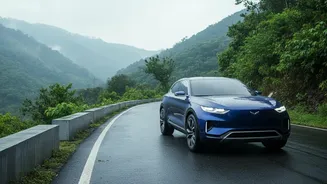
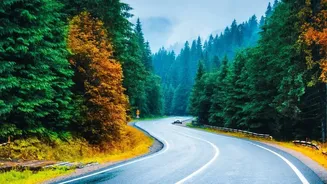
A safe monsoon drive begins long before you hit the road. Your car needs to be in peak condition to handle the demanding environment of wet, winding mountain roads. Start with the most critical components. Your tyres are your only point of contact with the road,
and their ability to grip is paramount. Ensure they have adequate tread depth, ideally more than the legal minimum of 1.6mm, to effectively channel water away and prevent skidding. Similarly, your brakes must be in top form, as stopping distances increase on wet surfaces. If you notice any squealing or vibrations, get them inspected immediately. Finally, don't overlook visibility. Replace worn-out wiper blades that leave streaks and top up your windshield washer fluid. Check that all your lights—headlights, taillights, indicators, and fog lamps—are working perfectly. In heavy rain, being seen is just as important as seeing.
On the Road: Mastering Monsoon Driving Techniques
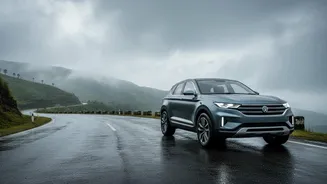
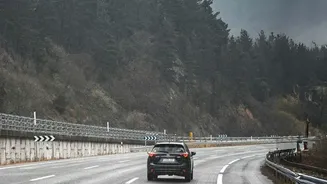
Driving in the mountains during a downpour requires a different mindset. The first rule is to slow down significantly. Wet roads, especially at the start of a shower when oil and grime mix with water, can be incredibly slippery. Increase the following distance between you and the vehicle ahead to at least a few seconds to give yourself more time to react. When heading downhill, resist the urge to ride your brakes. Instead, shift to a lower gear. This technique, known as engine braking, uses the engine's resistance to help control your speed without overheating the brakes. Avoid sudden acceleration, braking, or sharp turns, as these can cause you to lose traction. If you encounter a large puddle, slow down and proceed with caution, as it could conceal a deep pothole or cause your car to hydroplane, where tyres lose contact with the road.
Navigating Hazards: Waterlogging and Landslides
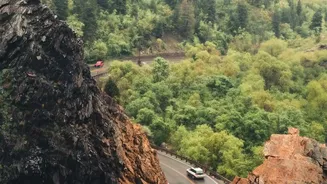
Mountain roads in the monsoon can present unique hazards. Waterlogged stretches should be approached with extreme caution. If you are unsure about the depth, it's always safer to find an alternative route. Driving through deep water can cause severe damage to your engine and electrical systems. If you must proceed, do so slowly and steadily in a low gear. Another major risk is landslides. Be alert for warning signs like falling rocks, cracks on the road, or trees leaning at odd angles. Avoid parking near steep slopes or under rock ledges. If you get caught in a landslide, the safest course of action is often to stay inside your vehicle. The car's structure provides a protective cage against debris. Only attempt to leave the car if it's at risk of being submerged in water or catching fire.
Essential Gear: Your In-Car Monsoon Emergency Kit
A smart safety routine includes being prepared for the unexpected. A well-stocked emergency kit can be a lifesaver if you get stranded. Your kit should contain items for both your car and your personal safety. For the vehicle, include jumper cables, a tow rope, a tyre inflator, and a puncture repair kit. A reflective warning triangle is crucial to alert other drivers if you break down. For personal needs, pack a powerful torch with extra batteries, a first-aid kit, and a portable power bank for your phone. It's also wise to carry extra water and non-perishable snacks like protein bars. A warm blanket and a rain poncho can provide comfort if you have to wait for help in cold, wet weather. This preparation ensures that a breakdown or a roadblock remains a minor inconvenience rather than a major emergency.