





Why Flooded Streets Become Death Traps
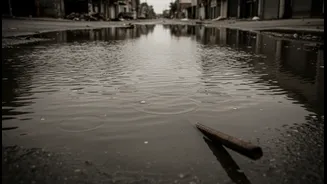
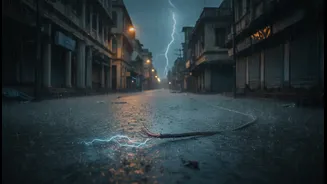
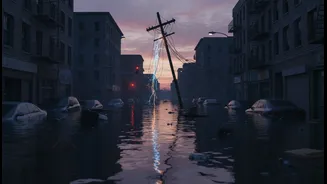
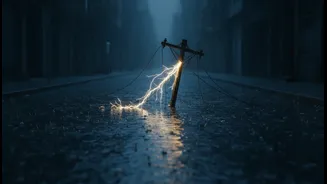
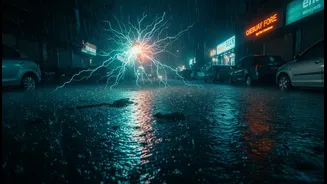
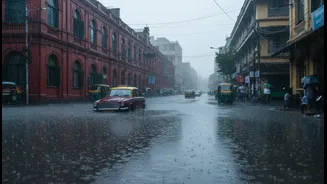
When heavy rains lash our cities, the water that accumulates is an excellent conductor of electricity. The real danger begins when this water comes into contact with compromised electrical infrastructure. Sources of this lethal charge are frighteningly
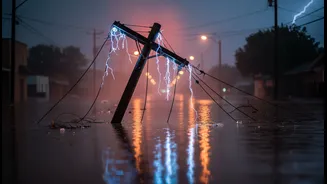
common: snapped overhead power lines, submerged electrical junction boxes, faulty or tilted streetlight poles, and exposed wiring from illegal connections or ageing systems. The electricity doesn't stay in one place; it energises the entire pool of water, creating a wide, invisible field of danger. A person doesn't need to touch the wire itself; simply wading through the charged water is enough to cause a fatal shock because the murky water makes it impossible to see the hazard lurking beneath.
Warning Signs You Cannot Ignore
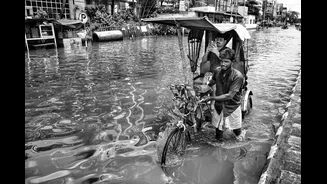
While the danger is often invisible, there are sometimes subtle clues. Be extremely cautious if you notice sparks from a pole or transformer, hear a buzzing sound near a waterlogged area, or see a fallen wire. Swimmers or waders who suddenly feel a tingling sensation or muscle cramps should exit the water immediately, as these are signs of electrical current in the water. However, the most critical rule is to assume there are no warning signs. Treat every waterlogged street, especially near electrical poles, transformers, or construction sites, as potentially live. The safest approach is to avoid walking through stagnant water altogether.
Essential Safety Rules for Pedestrians
Your best defence is caution. If you must navigate a flooded area, avoid touching any metal surfaces like lampposts, traffic signals, or fences, as they can become energised. Some experts suggest carrying a dry wooden stick to probe the water ahead of you, but the primary advice is to find an alternate, dry route. Stay far away from any visible electrical infrastructure. Do not use wires or electrical poles as support for drying clothes or for tying advertisement banners, a common but dangerous practice. Educate children about these risks and ensure they do not play near storm drains or flooded areas.
Tips for Those in Vehicles
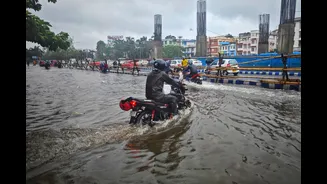
Driving through heavily waterlogged streets is also a significant risk. Submerged electrical hazards are hidden from view and can pose a danger to vehicles and their occupants. It is always safer to wait for the water to recede or find a different route than to drive through deep, standing water. Never drive over fallen power lines. If a power line falls on your vehicle while you are inside, stay in the car and call for emergency help. Do not step out, as you could become the electrical path from the vehicle to the ground.
How to Help in an Emergency
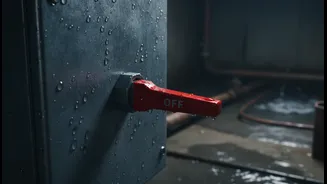
If you witness someone collapse in floodwater, your first instinct might be to rush in and help. Do not do this. Never touch the victim directly if they are in the water or still in contact with an electrical source, as the current will pass through you as well. The first and most crucial step is to try and turn off the main power supply if it can be done safely and quickly. Call for emergency medical services immediately. If the power cannot be shut off, use a long, dry, non-conductive object—like a wooden stick or pole—to try and separate the person from the electrical source or pull them to a dry area. Once they are clear of the danger, if you are trained, you can check for breathing and administer CPR if necessary until help arrives.
Reporting Hazards and Holding Agencies Accountable
Public safety is a shared responsibility. Many electrocution incidents occur in locations where residents had previously flagged dangers like exposed wires or damaged poles. If you see a potential electrical hazard, such as a leaning pole, dangling wires, or an open junction box, report it to your local electricity board or municipal authority immediately. Taking a photo and noting the exact location can help authorities respond faster. Don't assume someone else has already made the call. Proactive reporting is a vital community service that can prevent future tragedies and pushes civic bodies to improve infrastructure maintenance before the next downpour.