



Start with Forgiving Friends
Your journey into plant parenthood should begin with success, not frustration. The single best thing a beginner can do is choose a plant that is known for being resilient and adaptable. Many common houseplants popular in Indian homes are incredibly tough
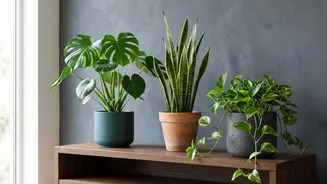
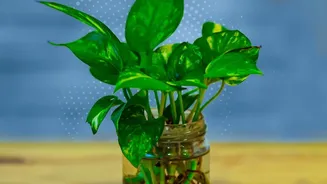
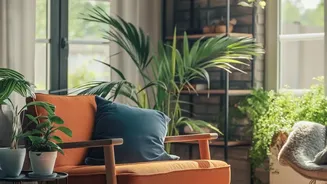
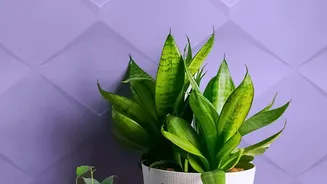
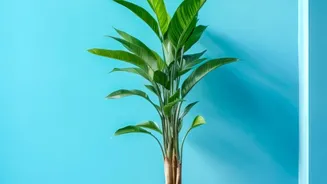
and can handle a bit of beginner's inconsistency. Look for plants like the Snake Plant, which tolerates low light and infrequent watering, or the Money Plant (Pothos), a fast-growing vine that is famously easy to care for. Other great choices include the ZZ Plant, which thrives on neglect, and the hardy Areca Palm. Starting with an easy-to-care-for plant builds confidence and allows you to learn the ropes without the constant worry of losing a delicate specimen.
Decoding the Light in Your Home
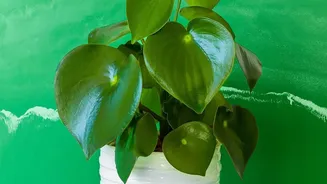
Light is food for plants, but not all light is the same. The most common terms you'll see are direct light and indirect light. Direct light is when the sun's rays hit the plant without anything in the way, which can be too intense and scorch the leaves of many tropical plants. Indirect light is more diffused, like the light filling a bright room away from the window. Before you buy a plant, observe your space. A spot near a south-facing window will get very strong, direct light. An east-facing window offers gentler morning sun, while a north-facing one provides soft, indirect light all day. Most common houseplants, like Monsteras and Philodendrons, thrive in bright, indirect light. Matching the plant to the light you already have is a crucial step towards success.
The Golden Rule of Watering
More houseplants die from overwatering than any other cause. It’s a classic beginner mistake driven by too much love. Roots need oxygen as much as they need water, and constantly waterlogged soil leads to root rot, a fungal disease that is often fatal. So, what's the secret? Ditch the rigid schedule. Instead of watering every Saturday, check the soil first. The 'finger test' is your best tool: stick your finger about an inch or two into the soil. If it feels dry at that depth, it's time to water. If it's still moist, wait a few more days and check again. When you do water, do it thoroughly. Pour water slowly and evenly over the soil surface until it begins to drain out of the bottom of the pot. This ensures all the roots get a drink and also helps flush out any mineral buildup.
A Happy Home for Roots
The right container is just as important as light and water. The number one non-negotiable feature your pot must have is a drainage hole. Without it, excess water has nowhere to go, creating a swampy environment that will rot the roots. When you first bring a plant home, resist the urge to immediately repot it into a much larger container. Let the plant acclimate to its new environment for a few weeks. Most plants are perfectly happy being slightly 'root bound' or snug in their pots. Moving a plant into a pot that is too large can actually increase the risk of overwatering, as the excess soil will hold onto moisture for too long. For most common houseplants, a standard, well-draining potting mix is all you need to get started.
A Little Benign Neglect
Once you have the basics of light and water down, the best advice is often to leave your plant alone. Beginners often feel the need to constantly fuss—moving the plant to a 'better' spot, giving it extra fertilizer, or trimming every tiny imperfection. But plants are living things that need time to adjust to their surroundings. Constantly moving a plant can cause stress. Over-fertilizing can burn the roots and do more harm than good. During the main growing seasons (spring and summer), a balanced houseplant fertilizer can be used occasionally, but always follow the instructions and remember that less is more. For the most part, once your plant is in a good spot and you understand its watering needs, your job is to simply observe and enjoy it.