







Your First Interview Is With a Bot
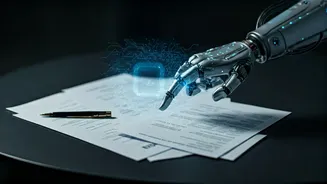
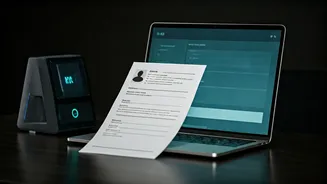
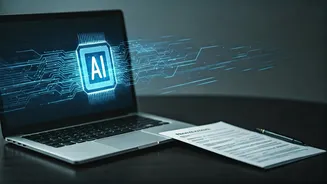
Before your resume ever reaches human eyes, it has to pass the first gatekeeper: an Applicant Tracking System (ATS). Over 90% of large companies use these AI-powered systems to scan and rank applications. Your beautifully designed, creative resume could
be your downfall if the software can't read it. The new rule is simplicity. Use standard formats like .docx or a text-based PDF, with clear, conventional headings like "Work Experience" and "Skills". Forget graphics, tables, or unusual fonts that can confuse the algorithm. The goal is to make your information as easy as possible for a machine to parse, ensuring your qualifications aren't filtered out before you even get a chance.
Keywords Are Your Key In
Once your resume format is bot-friendly, the content needs to speak their language. AI scanners are programmed to look for specific keywords and skills that match the job description. This means the one-size-fits-all resume is dead. For every application, you must tailor your resume by identifying the key terms used in the job posting—skills, tools, certifications—and weaving them naturally into your experience and skills sections. AI tools can even help by analyzing a job description and suggesting keywords you might have missed. Think of it less as 'stuffing' keywords and more as strategically aligning your experience with the employer's stated needs.
Focus on Skills That Can’t Be Automated
While it's crucial to get past the AI screeners, what truly sets you apart for a human recruiter are the skills that AI can't replicate. A recent PwC report highlights that AI's rise is increasing the demand for human skills like judgment, creativity, and leadership. The World Economic Forum similarly ranks analytical thinking, resilience, flexibility, and curiosity as top-tier skills employers are seeking. Instead of fearing that AI will make your job obsolete, focus on cultivating these distinctly human capabilities. Problem-solving, effective communication, emotional intelligence, and the ability to collaborate are becoming more valuable, not less, in an automated world.
Learn to Work With AI, Not Against It
The most valuable employees in the near future will be those who can use AI as a partner. This doesn't mean everyone needs to become a machine learning engineer. It means developing 'AI literacy'—understanding how to use generative AI tools to augment your own work. Learn to write effective prompts to brainstorm ideas, draft emails, summarize long reports, or even analyze data. This ability to leverage AI as a tool to become more productive and innovative in your specific field is quickly becoming a key differentiator. Job seekers in India are finding that practical experience with these tools is highly valued by recruiters.
The Interview Is Changing, Too
The rise of AI extends into the interview process itself. Many companies now use one-way video interviews where candidates record answers to preset questions. Some of these platforms use AI to analyze responses, looking at everything from word choice to tone of voice and facial expressions to generate a preliminary score. While the technology is still evolving, you should be prepared. Practice speaking clearly and concisely to a camera. Maintain good posture and engagement, just as you would in person. Be ready to answer questions not just about your experience, but also about how you would use technology and AI to approach challenges in the role.