


What the Proposal Entails
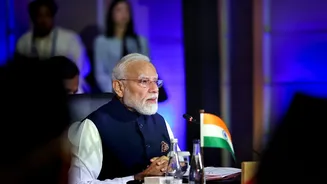
During the 23rd India-ASEAN Summit in Manila, Prime Minister Narendra Modi announced a proposal to offer free electronic tourist visas to travellers from the 11 member countries of the Association of Southeast Asian Nations (ASEAN). This includes Brunei,
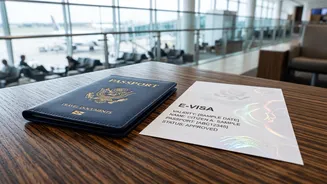
Cambodia, Indonesia, Laos, Malaysia, Myanmar, the Philippines, Singapore, Thailand, Timor-Leste, and Vietnam. It's important to note this is not a visa-free travel policy; tourists will still need to apply for an e-visa online before their trip. The change would eliminate the government processing fee, which currently ranges from $10 to $25 for a 30-day tourist e-visa for several ASEAN nationalities.
Harmonising an Existing Policy
The proposal aims to standardise a policy that already offers benefits to some ASEAN members. Currently, citizens of Indonesia and Myanmar can obtain free e-visas for various durations. Travellers from Malaysia, the Philippines, and Thailand are already eligible for a free 30-day tourist e-visa, though they must pay for longer stays. The new proposal would extend this 30-day fee waiver to the remaining six nations: Brunei, Cambodia, Laos, Singapore, Timor-Leste, and Vietnam, creating a uniform policy across the entire bloc. The government has not yet specified if the waiver will apply to longer-duration visas or announced an implementation date.
A Pillar of the 'Act East' Policy
This visa fee waiver is more than just a tourism initiative; it's a strategic component of India's 'Act East' Policy. Launched in 2014, this policy represents a shift from the earlier 'Look East' approach to a more action-oriented and strategic engagement with Southeast Asia. The pillars of this policy are often described as the '3Cs': Commerce, Culture, and Connectivity. By making travel more accessible and affordable, India aims to strengthen people-to-people connections, which serve as a foundation for deeper diplomatic and economic partnerships. The announcement was part of a larger package of nine proposals aimed at strengthening the India-ASEAN Comprehensive Strategic Partnership.
The Economic and Tourism Impact
Removing visa fees is a proven method to boost tourist arrivals. While the fee itself is modest, its removal eliminates a barrier and signals a warmer welcome. The tourism industry anticipates this move will lead to a significant increase in visitors from the ASEAN region, which is a major source of outbound tourism. In 2025, India received over 800,000 visitors from ASEAN countries. An influx of tourists translates directly into economic benefits, stimulating the hospitality sector, creating jobs, and increasing foreign exchange earnings. With regional competitors like China also using visa-free policies to attract tourists, India's proposal is a timely move to enhance its own appeal.
Challenges and What Comes Next
While the proposal has been announced, it is not yet in effect. The Indian government will need to formalise the policy and announce a start date. Travellers planning trips in the near future should continue to follow existing visa application procedures and fee structures. The initiative is part of a broader vision for 2047, which aligns with India's long-term development goals. This move, coupled with other proposals like joint disaster management and cooperation in technology, signifies India's commitment to building a more integrated and prosperous relationship with its eastern neighbours.