






What is a Sodium-Metal Battery?
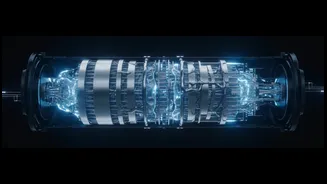
At its core, a sodium battery works much like the lithium-ion batteries that power our phones and electric cars. It stores and releases energy by moving ions between two electrodes, a cathode and an anode, through a liquid or solid medium called an electrolyte.
The key difference is the main ingredient: instead of lithium, it uses sodium. Sodium-metal batteries (SMBs) are a specific type that use a pure metallic sodium anode, which offers the potential for very high energy density and ultra-fast charging. This is distinct from sodium-ion batteries, which typically use hard carbon for the anode. The primary appeal of sodium is its abundance and low cost. Sodium is one of the most plentiful elements on Earth, readily available from common salt. This contrasts sharply with lithium, which is concentrated in a few countries, making its supply chain vulnerable to geopolitical issues and price volatility. For a country like India, with vast sodium reserves and minimal domestic lithium, this technology is strategically significant.
The Four-Minute Charging Breakthrough
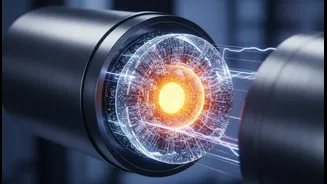
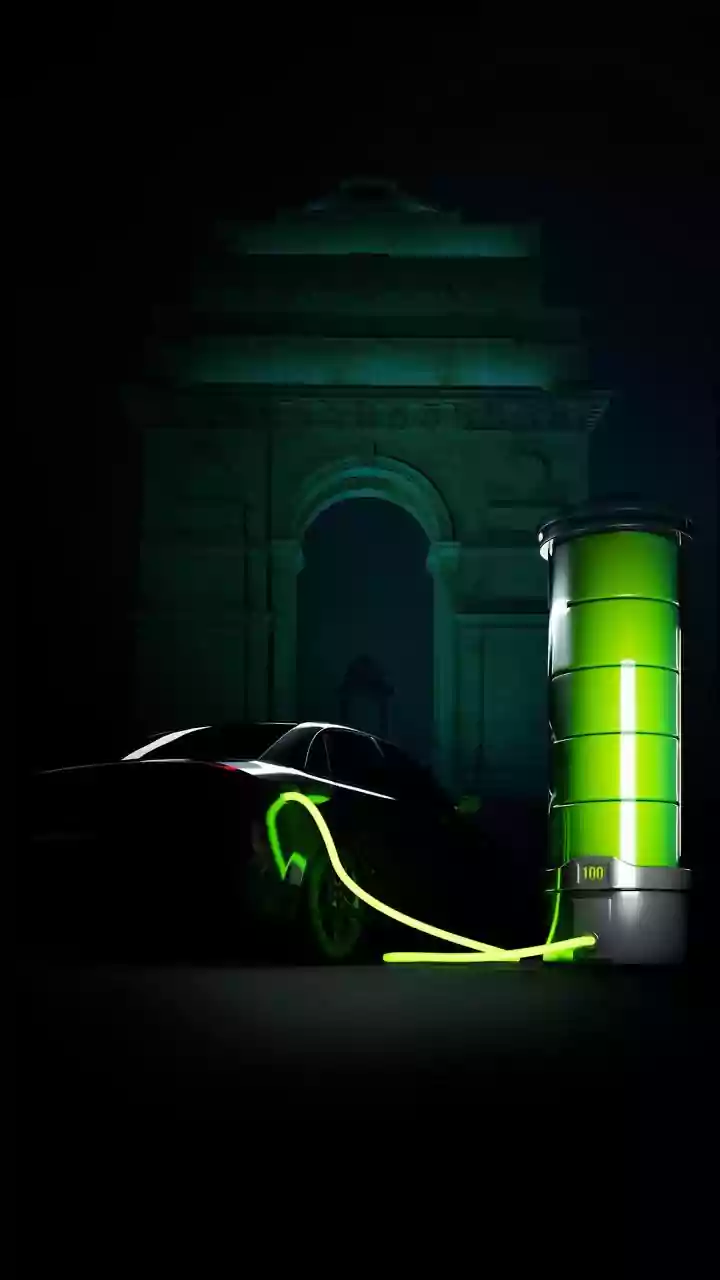
The recent buzz surrounds research from a team in China that developed a novel sodium-metal battery capable of charging to 100% capacity in just four minutes during lab tests. This is a monumental leap, as fast charging has long been a bottleneck for battery technology. The secret lies in a newly developed gel electrolyte, which solves one of the biggest problems plaguing SMBs: dendrites. Dendrites are spiky, needle-like structures that form on the sodium anode during charging. These can grow through the battery, causing short circuits, safety issues, and rapid degradation. The new quasi-solid gel electrolyte creates a more stable, semi-solid internal structure that prevents dendrites from forming, allowing for both incredible charging speeds and impressive longevity. In tests, these experimental cells ran for over 6,000 hours without failure from dendrites. It's crucial to note these results are from small, experimental cells under controlled lab conditions. A larger prototype showed much less dramatic performance.
A Potential Game-Changer for Indian EVs?
For India's burgeoning EV market, the implications of a cheap, ultra-fast-charging battery are enormous. A key barrier to EV adoption is 'range anxiety,' and the long charging times associated with it. While the fastest-charging EVs today can gain significant range in 10-15 minutes, they often require specialised, high-power chargers. A battery that could fully charge in minutes using more conventional infrastructure would be revolutionary, making EVs as convenient as their petrol counterparts. Furthermore, cost is a major factor in the price-sensitive Indian market. Sodium-ion batteries, when produced at scale, are projected to be 20-30% cheaper than their lithium-ion counterparts. This could lead to more affordable electric two-wheelers, three-wheelers, and entry-level cars—segments crucial for mass electrification in India. Several Indian startups like Indi Energy and Rechargion are already pioneering sodium-ion technology, leveraging local resources like agricultural waste to create components, aligning perfectly with the 'Make in India' initiative.
Beyond Cars: Powering India's Green Grid
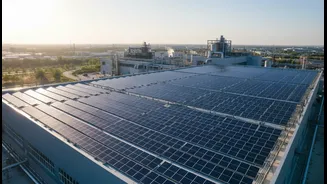
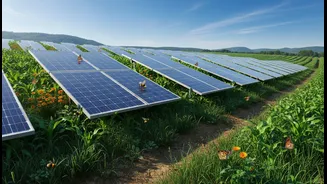
The impact of advanced sodium batteries extends far beyond transportation. In fact, their biggest immediate opportunity may be in stationary energy storage. India has an ambitious goal of installing 500 GW of renewable energy capacity by 2030. The intermittent nature of solar and wind power requires massive battery storage systems to ensure a stable, 24/7 power supply. For grid-scale applications, the lower energy density of sodium-ion batteries compared to lithium-ion is less of a concern, while their advantages in cost, safety, and durability are paramount. Sodium-based batteries perform well across a wider temperature range, a significant advantage in India's extreme climates. They can also be fully discharged to zero volts for safer transport and handling, a feature lithium-ion batteries lack. By providing a domestic, cost-effective solution for grid storage, sodium batteries can reduce India's reliance on imported technology and critical minerals, boosting energy independence.
The Long Road From Lab to Market
While the four-minute charge is an exciting scientific milestone, it is important to temper expectations. There are significant hurdles to overcome before this technology reaches consumers. Scaling up from a small lab cell to a large, commercial battery pack for a car or a grid system is a massive engineering challenge. The high reactivity of sodium metal requires stringent, moisture-free manufacturing environments, which can increase complexity and cost. Furthermore, the supply chains for battery-grade sodium materials are still in their infancy compared to the mature lithium-ion ecosystem. Researchers must also prove that the impressive lab performance—combining fast charging, long life, and safety—can be replicated in a single, production-ready battery pack under real-world conditions. Experts believe that while sodium-ion technology is rapidly maturing, it will likely complement, rather than completely replace, lithium-ion batteries in the near future, excelling in applications where cost and safety are more critical than maximum energy density.