




The Old Way: Food as Fuel
Since the dawn of the space age, the primary concern for astronaut food was caloric density and shelf-life. The goal was to fuel astronauts for their demanding work in orbit. Food was processed, pre-packaged, and designed to last. For shorter missions
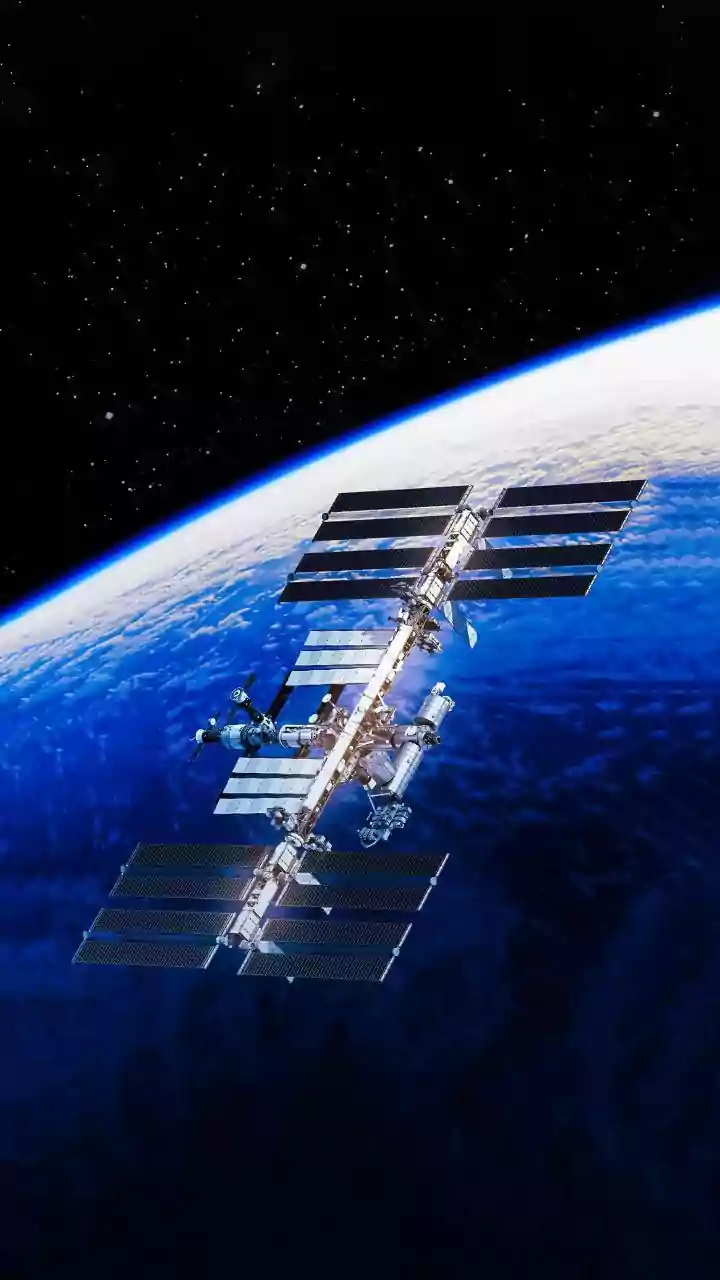
in low-Earth orbit, this approach worked. Resupply missions to the International Space Station (ISS) can even bring occasional fresh fruit, providing a welcome psychological and nutritional boost. However, this system relies on regular deliveries from Earth, a luxury that won't exist on a multi-year journey to Mars. The focus was on preventing weight loss, as astronauts in microgravity often eat less despite having similar energy needs to their counterparts on Earth. But simply having enough food isn't the same as having the right food.
The Hazards of Long-Duration Spaceflight
A trip to Mars could take years, exposing astronauts to a host of health risks that calories can't fix. Beyond Earth's protective magnetic field, astronauts face constant exposure to space radiation, which increases the risk of degenerative diseases. The microgravity environment itself is a major stressor, causing bone density loss, muscle atrophy, and cardiovascular changes. Researchers are also uncovering more subtle threats. Spaceflight can weaken the immune system, disrupt hormone levels, and even lead to vision problems. These issues are compounded by the psychological stress of isolation. It's now clear that to survive and thrive on a long journey, astronauts need their food to do more than just provide energy; it needs to act as a countermeasure to the harsh environment of space.
A Gut Feeling About Space Health
One of the most exciting new frontiers in space nutrition is the gut microbiome. Research shows that spaceflight significantly alters the community of bacteria living in an astronaut's gut. Stress, radiation, and microgravity can lead to a decrease in beneficial bacteria, which is linked to weakened immunity and even mood disturbances like anxiety and depression. This can also lead to a condition sometimes called “leaky gut,” which impairs the body's ability to absorb nutrients and regulate immune responses. Scientists are now exploring how to use food to support a healthy microbiome. This includes diets rich in probiotics, prebiotics, and specific antioxidant compounds, like flavonoids, found in many plant-based foods. The idea is to create a diet that actively protects the gut, thereby protecting the astronaut's overall physical and mental health.
Designing the Menu for Mars
The solution lies in a combination of carefully formulated packaged foods and fresh crops grown in space. NASA and other agencies are intensely studying how to create an “enhanced” diet packed with nutrients like omega-3 fatty acids, lycopene, and other antioxidants to proactively combat the stresses of space. This could involve personalized nutrition plans tailored to an astronaut's individual genetics. At the same time, growing plants on a spacecraft is essential. It's not just for fresh vitamins, which degrade in packaged food over time, but also for morale. Researchers are testing everything from leafy greens and tomatoes to spirulina algae, which is high in protein and can also help recycle the air in a spacecraft. The challenge is that plants grown in space sometimes have lower concentrations of key minerals like calcium, so scientists are looking at bioengineering crops to be more nutrient-dense.
From the Stars to the Soil
The insights gained from space nutrition research have powerful applications back on Earth. Understanding how to create nutrient-dense, shelf-stable foods is crucial for food security in remote or extreme environments. The focus on the gut microbiome and its connection to overall health is already a major trend in terrestrial medicine, and data from astronauts provides a unique and valuable perspective. Furthermore, the push for highly efficient, closed-loop agriculture systems in space could lead to breakthroughs in sustainable farming here. Learning how to mitigate the bone loss experienced by astronauts, for example, shares parallels with treating osteoporosis in aging populations on Earth. The quest to keep a few humans healthy on Mars could ultimately help millions of people live healthier lives on our own planet.