







The Gathering Storm: What is El Niño?
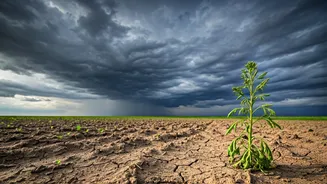
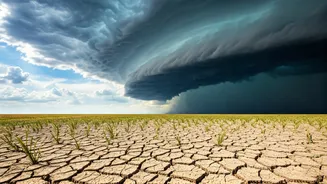
El Niño is a naturally occurring climate pattern characterized by the warming of sea surface temperatures in the central and eastern Pacific Ocean. While it originates thousands of kilometres away, its consequences ripple across the globe, and for India,
it is strongly associated with a weakened southwest monsoon. The World Meteorological Organization (WMO) has indicated a high probability of El Niño conditions strengthening between July and September 2026. India is already feeling the effects, with June recording a significant rainfall deficit that has delayed the sowing of crucial kharif (summer) crops. The India Meteorological Department (IMD) has lowered its seasonal rainfall forecast, adding to concerns about agricultural output and economic stability.
From Field to Balance Sheet: The Domino Effect
The connection between a weak monsoon and the health of India's FMCG sector is direct and deeply rooted in the country's economic structure. Rural India, where over two-thirds of the population depends directly or indirectly on agriculture, accounts for a substantial portion of all FMCG sales—between 35% and 45% for major companies. A poor monsoon hits farm output, which in turn shrinks disposable income for millions of rural households. This leads to a predictable slowdown in consumption, particularly for everyday items like soaps, biscuits, and personal care products. Simultaneously, El Niño exerts pressure from the other side. Lower agricultural production of commodities like sugar, wheat, spices, and edible oils leads to higher input costs for manufacturers, creating a dual squeeze on company margins: falling sales volumes and rising expenses.
Lessons from the Past
History offers a clear guide to what FMCG companies can expect. Previous strong El Niño years, such as 2015, were marked by deficient rainfall that hurt rural sentiment and widened the gap between rural and urban consumption growth. In such years, agricultural growth has slowed dramatically, with a direct impact on corporate earnings. For instance, following the weak monsoon of 2023, India's agricultural growth rate fell to its lowest in eight years. This historical data shows that as farm incomes come under pressure, rural demand is the first to dip and the last to recover. Consumers often become more value-conscious, leading to downtrading—choosing cheaper alternatives—or reducing purchase frequency, even for low-priced items.
Budgeting for Volatility: Where to Focus
Given the forecasts, FMCG boardrooms must now treat weather volatility as a direct business risk. A key area for immediate budget attention is the supply chain. Companies need to review their procurement strategies, potentially diversifying sourcing networks to mitigate risks from drought in one region. Inventory management becomes crucial; firms must avoid being caught with excess stock if demand suddenly weakens. Marketing and advertising budgets also require a strategic look. As the largest advertising category, any sustained weakness in FMCG demand could impact the broader media ecosystem. Companies may need to pivot their advertising spend, possibly focusing more on urban markets or promoting smaller, more affordable pack sizes that appeal to cash-strapped rural consumers.
Strategic Shifts Beyond the Numbers
Beyond immediate budget adjustments, El Niño is prompting a broader strategic rethink. Some companies are already focusing on creating 'all-season' product portfolios to counter the impact of shifting weather patterns and ensure steady sales. This involves innovating products to be relevant outside their traditional seasons, such as Dabur's campaign to promote Chyawanprash during the monsoon, not just in winter. Strengthening distribution in urban and semi-urban areas can help offset the anticipated slump in rural markets. Furthermore, investing in technology and data analytics to better forecast regional demand and manage supply chains can provide a competitive edge. Ultimately, building resilience is key, whether through crop diversification support for farmers or developing products less dependent on volatile agricultural inputs.