



An Invitation to Build on the Moon
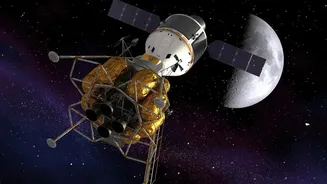
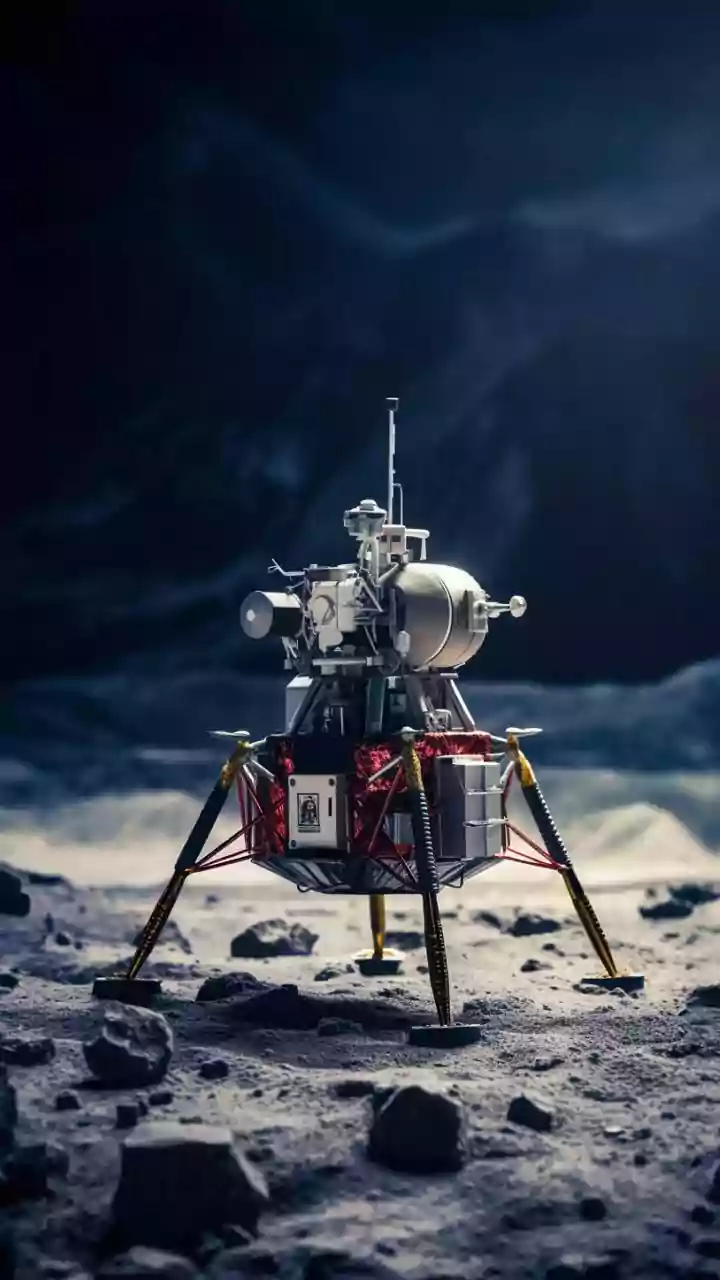
During the ninth meeting of the U.S.-India Civil Space Joint Working Group in Bengaluru in early August 2026, NASA officially invited ISRO to participate in its Moon Base program. This initiative is a cornerstone of the Artemis program, which aims to establish
humanity's first long-term outpost on another celestial body. The proposed base, located near the Moon's strategically valuable South Pole, is envisioned as a place for astronauts to live, work, and conduct research for extended periods. The invitation marks a significant step beyond previous collaborations, moving the partnership from Earth observation and data sharing into the realm of deep-space infrastructure and a sustained human presence on the Moon.
The Growing 'Artemis Alliance'
This collaboration is built upon the Artemis Accords, a U.S.-led framework of principles for safe and responsible space exploration. India became the 27th nation to sign the non-binding accords in June 2023, a move seen as a major diplomatic and strategic win for the U.S.-led coalition. While signing the accords signals political commitment, joining the Moon Base program requires a more specific, project-based agreement. For the United States, securing India as a partner is critical. It strengthens the international coalition for lunar development, which now includes dozens of nations, and presents a unified front of democratic space-faring nations.
What India Brings to the Table
NASA's interest in ISRO is no surprise. The Indian space agency has a proven track record of executing complex missions at a fraction of the cost of its global counterparts. Its historic Chandrayaan-3 mission, which successfully soft-landed near the lunar South Pole in 2023—a first for any nation—demonstrated remarkable technical prowess and cost-effective engineering. India also has ambitious plans of its own, including a robotic sample-return mission and a joint lunar rover mission with Japan, culminating in a goal to land its own astronauts on the Moon by 2040. This expertise, particularly in robotics and frugal innovation, makes ISRO an invaluable potential partner for building and sustaining a lunar habitat.
A Foundation of Successful Partnership
The invitation doesn't come out of the blue. NASA and ISRO have a history of successful collaboration that has built mutual trust. A prime example is the NASA-ISRO Synthetic Aperture Radar (NISAR) mission. Launched in 2025, this joint Earth-observing satellite is one of the most advanced of its kind, designed to monitor climate change, deforestation, and natural disasters. The equal partnership on the NISAR project, where both agencies contributed significant hardware and expertise, provided a blueprint for how the two organizations can effectively integrate their technical capabilities on a major space mission.
The New Geopolitics of Space
The push for a broad lunar coalition is happening against a backdrop of competing ambitions. China and Russia are collaborating on their own lunar outpost, the International Lunar Research Station (ILRS). This has effectively created two major blocs for the future of lunar exploration. By bringing a major, independent space power like India into the Artemis fold, the U.S. not only gains a capable technical partner but also scores a significant point in the geopolitical contest for influence in space. This partnership is a key component of the broader U.S.-India strategic relationship, which aims to counter China's growing influence across technology and defense sectors.