



An Ever-Present Health Burden
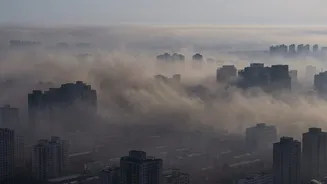
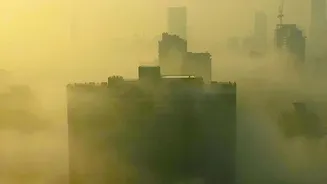
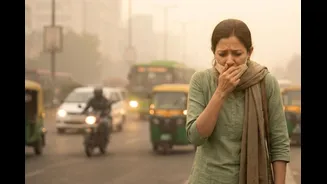
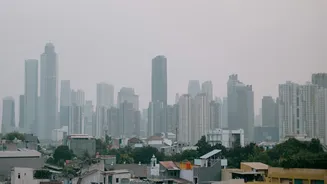
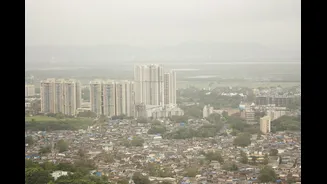
The most visible consequence of Delhi's toxic air is the toll it takes on physical health. Hospitals report a surge in patients with respiratory distress, but the damage is more insidious and widespread. The air is saturated with PM2.5, fine particulate
matter that can bypass the body's natural filters, lodging deep within the lungs and entering the bloodstream. This leads to immediate issues like coughing, throat irritation, and breathlessness. For children, the impact is devastating. Their developing lungs are especially vulnerable, and long-term exposure can lead to reduced lung capacity, a higher risk of asthma, and impaired cognitive development, potentially affecting memory and IQ. Beyond the lungs, these pollutants are linked to an increased risk of cardiovascular diseases, strokes, and even dementia in older adults, as inflammation spreads through the body and affects brain health.
The Heavy Economic Cost
The blanket of smog carries a significant economic weight for both individuals and the nation. For households, it means a constant drain on resources, with money spent on masks, air purifiers, and frequent doctor visits. For daily wage earners, such as construction workers and street vendors, a sick day is a day without income. When pollution levels spike, authorities often implement the Graded Response Action Plan (GRAP), which can halt construction and restrict vehicle movement, impacting lakhs of workers and delaying supply chains. Businesses also suffer. Retailers report lower footfall during severe pollution spells, and restaurants see a decline in dine-in customers. On a macro level, the cost is staggering. A 2021 study in The Lancet estimated that lost output from premature deaths and illnesses due to air pollution cost India 1.36% of its GDP in 2019, amounting to roughly $36.8 billion.
A Disrupted Social and Daily Life
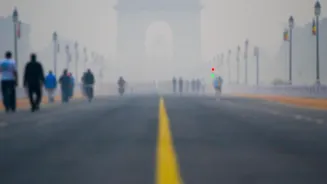
Life in the capital is fundamentally altered by its toxic air. What should be routine activities become fraught with risk. Morning walks, children's park visits, and outdoor sports are often cancelled. Schools may shift to online classes during the worst pollution episodes, creating an 'indoor generation' and disrupting education. Social calendars shrink as people become reluctant to venture outside, limiting interactions and community activities. The simple act of breathing becomes a calculated risk, forcing residents to constantly check the Air Quality Index (AQI) before planning their day. On November 12, 2026, Delhi's AQI remained in the 'very poor' category, a persistent reminder of the constraints placed on daily life. This continuous state of alert and confinement changes the very rhythm of the city, replacing spontaneity with caution.
The Invisible Mental Toll
Living under a perpetual grey sky, trapped indoors, and worrying constantly about the health of loved ones has profound psychological consequences. A growing body of research links air pollution to a higher incidence of anxiety, stress, and depression. The constant threat can induce 'pollution anxiety,' leading to irritability, restlessness, and a feeling of being trapped. For some, breathing difficulties can trigger panic and fear. Studies also point to cognitive effects like 'brain fog,' difficulty concentrating, and headaches, which are commonly reported during high-pollution days. This mental fatigue is compounded by disruptions to sleep and a lack of physical activity, both essential for mental well_being. Research has found that a significant majority of children feel stressed and anxious due to the poor air quality, highlighting the deep emotional impact on the city's youngest residents.
The Search for Lasting Solutions
Addressing Delhi's air crisis involves a complex mix of emergency responses and long term strategies. The Graded Response Action Plan (GRAP) is an emergency framework that imposes restrictions on vehicles , construction , and industries based on AQI levels . However , experts agree that these temporary measures are not enough . Lasting solutions require year round action and regional cooperation to tackle the primary sources of pollution , which include vehicular emissions , industrial discharge , road dust , and seasonal crop burning in neighbouring states . Pushing for cleaner transport , better waste management , and stricter industrial standards are crucial . While government actions are vital , a shift in public awareness and collective responsibility is equally necessary to reclaim the right to clean air .