




1. Diversify Your Dal and Legumes
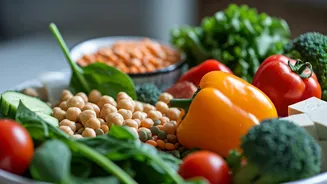
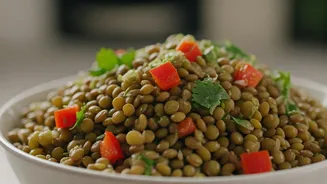
For many of us, protein in a veg diet means paneer and maybe one or two types of dal. While these are great, rotating your protein sources is crucial for a complete amino acid profile. Think beyond just toor or moong dal. Try incorporating rajma (kidney
beans), chana (chickpeas), lobia (black-eyed peas), and masoor (red lentils) into your weekly meal plan. Each legume offers a unique mix of fibre, protein, and micronutrients like iron and folate. Making a simple dal makhani one night and a chana masala another isn't just a treat for your taste buds; it's a strategic move for your body, ensuring you're not missing out on essential building blocks for muscle repair and energy.
2. Swap White Rice for Millets
White rice is a staple, but it's a highly processed grain stripped of much of its fibre and nutrients. A powerful switch is to replace it with millets a few times a week. Ancient grains like ragi (finger millet), jowar (sorghum), and bajra (pearl millet) are making a huge comeback for a reason. They are packed with fibre, which aids digestion and promotes a feeling of fullness, helping with weight management. More importantly, they have a lower glycaemic index, meaning they release sugar into the bloodstream more slowly, preventing those post-lunch energy slumps. You can make millet rotis, use them as a substitute for rice in khichdi, or even make millet upma for a nutrient-dense breakfast.
3. Add a Handful of Nuts and Seeds
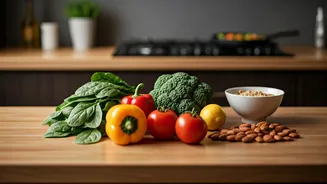
This is perhaps the easiest change with the most significant impact. A small handful of nuts and seeds each day provides a powerful dose of healthy fats, protein, and essential micronutrients. Walnuts are a fantastic source of plant-based omega-3 fatty acids, crucial for brain health. Almonds offer Vitamin E and magnesium. Flaxseeds (alsi) and chia seeds are fibre powerhouses that can be easily sprinkled over your morning dahi, oatmeal, or blended into a smoothie. They help reduce inflammation, improve heart health, and keep you satiated between meals. Instead of reaching for a biscuit, make a small mix of these your go-to snack.
4. Eat the Rainbow, Literally
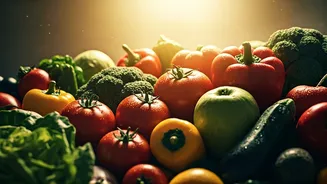
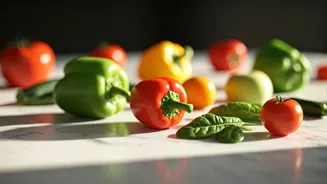
It’s easy to get stuck in a routine of aloo, gobi, and bhindi. But the different colours in vegetables signify the presence of different phytonutrients and antioxidants, each with unique health benefits. Red vegetables like tomatoes and beetroot contain lycopene, which is good for heart health. Orange and yellow ones like carrots and bell peppers are rich in beta-carotene for eye health. Purple vegetables like brinjal contain anthocyanins, which have anti-inflammatory properties. Make it a small goal to add one new or different-coloured vegetable to your cart each week. This ensures you're feeding your body a wider spectrum of protective compounds.
5. Pay Attention to Nutrient Pairing
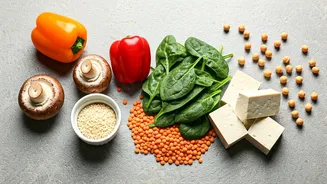
Some nutrients work better together. One of the most important pairings for vegetarians is iron and Vitamin C. Plant-based iron (non-heme iron), found in spinach, lentils, and beans, is harder for the body to absorb than the iron from meat. However, pairing it with a source of Vitamin C dramatically increases its absorption. So, squeeze a lemon over your dal and palak sabzi. Have an amla or an orange after a meal rich in greens. This simple trick can make a huge difference in preventing iron deficiency, a common issue that leads to fatigue and low energy levels in vegetarian diets.
6. Fortify Your Diet Intelligently
Certain nutrients are notoriously difficult to get from a standard vegetarian diet, namely Vitamin B12 and Vitamin D. Vitamin B12 is almost exclusively found in animal products, and a deficiency can lead to serious neurological issues. Look for foods fortified with B12, such as certain plant-based milks, breakfast cereals, or nutritional yeast. For Vitamin D, the 'sunshine vitamin', spending 15-20 minutes in the sun daily can help. However, given our modern lifestyles, fortified milk, dahi, or mushrooms exposed to UV light can also contribute. Being mindful of these two nutrients can prevent long-term deficiencies and boost overall vitality.