





Why Spiti is the Perfect Summer Antidote
Spiti Valley, a cold desert mountain valley in Himachal Pradesh, is often called 'Little Tibet' for its stunning landscapes and rich Buddhist culture. While the rest of India battles sweltering heat from April to July, Spiti enjoys a pleasant summer with
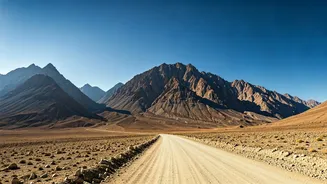
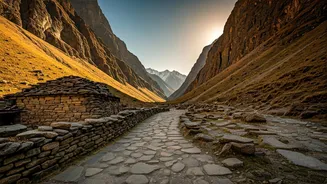
daytime temperatures hovering between 15°C and 20°C. The appeal isn't just the cool air; it's the dramatic shift in scenery. Gone are the humid, hazy skies, replaced by sharp, sun-drenched vistas of barren mountains, deep gorges, and turquoise rivers. The monsoon barely touches this rain-shadow region, ensuring clear weather for exploration when other Himalayan destinations are prone to downpours and landslides. It’s an escape that recharges the senses, offering silence and solitude in place of the city's ceaseless noise.
An Itinerary of Otherworldly Sights
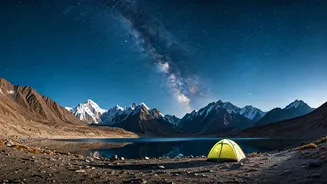
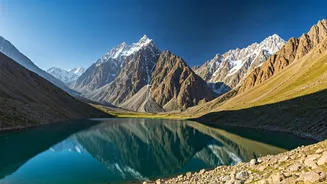
A trip to Spiti is a journey through a living museum. Start with Kaza, the sub-divisional headquarters and your best base for exploration. From there, venture to the iconic Key Monastery, a breathtaking monastic complex perched on a hilltop, offering panoramic views of the Spiti River. Don't miss Tabo Monastery, a UNESCO World Heritage Site famed for its ancient murals and scriptures, earning it the name 'Ajanta of the Himalayas.' For a touch of wonder, drive to the high-altitude villages of Komic, one of the world's highest motorable villages, and Hikkim, home to the world's highest post office. Sending a postcard from here is a travel rite of passage. Finally, visit the stunning Chandratal Lake, the 'Moon Lake,' whose crescent shape and crystal-clear waters reflect the surrounding snow-capped peaks (accessible from the Manali side, typically from June onwards).
Choosing Your Route: The Journey is the Destination
Reaching Spiti is an adventure in itself. You have two primary routes. The first is via Shimla through Kinnaur (NH-05), a longer but more gradual ascent that helps with acclimatisation. This route is open for most of the year and takes you through picturesque spots like Narkanda, Sarahan, and Kalpa. The second route is via Manali, crossing the high-altitude passes of Rohtang La (or through the Atal Tunnel) and Kunzum La. This route is shorter but involves a rapid gain in altitude, making it more challenging. It's also only open from late May/early June to October, depending on snowfall. Whichever path you choose, be prepared for rough patches, thrilling water crossings, and views that will have you stopping for photos every few kilometres.
Acclimatise Smartly to Avoid Sickness
The biggest challenge in Spiti isn't the road, but the altitude. Most places in the valley are above 3,000 metres (10,000 feet). Acute Mountain Sickness (AMS) is a real risk and can ruin your trip. The golden rule is to ascend slowly. If you're coming from Manali, spend at least one night in Kaza doing absolutely nothing. If you're coming from Shimla, the gradual ascent helps, but you should still take it easy on your first day in Kaza. Drink plenty of water (at least 3-4 litres a day), avoid alcohol and smoking, and eat light. Listen to your body; if you experience headaches, nausea, or dizziness, do not ascend further. Rest, hydrate, and if symptoms persist, descend to a lower altitude.
Packing Essentials and Practical Tips
Packing for Spiti is all about layers. Days can be sunny and warm, but nights and early mornings are cold. Carry thermal wear, a fleece jacket, and a windproof/waterproof outer layer. A warm hat, gloves, and sunglasses are non-negotiable. The sun is extremely harsh at this altitude, so sunscreen (SPF 50+) is a must. Connectivity is sparse; be prepared for a digital detox as most mobile networks won't work outside Kaza, which has BSNL service. Cash is king, as ATMs are few and often unreliable. Carry enough cash to cover your expenses for accommodation, food, and fuel. Lastly, travel with a flexible mindset. Road closures and weather changes are common, so build buffer days into your itinerary.