








The True Cost of Working Across Time Zones
Shift fatigue is more than just feeling sleepy. For the millions of Indian professionals powering global IT, BPO, and tech industries, working non-standard hours is a direct challenge to their well-being. This isn't just about missing family dinners;
it's about the scientifically-proven disruption of the body's circadian rhythm. Chronic fatigue is linked to a host of health problems, including increased stress, higher risk of cardiovascular issues, and mental health challenges like depression and anxiety. From a business perspective, the costs are just as severe. A tired workforce is an error-prone and less productive one. Employee burnout leads to high turnover rates, costing companies a fortune in recruitment and training. The 'always-on' culture, once seen as a badge of honour, is now correctly identified as a primary source of operational risk and talent drain.
The Old Way: Spreadsheets and Headaches
For decades, the default tool for managing complex international shifts has been the humble spreadsheet. Managers spend countless hours trying to manually balance operational needs with employee requests, time-zone differences, and local labour laws. This manual process is not only inefficient but also inherently unfair. Unconscious bias can easily creep in, leading to some employees consistently getting the worst shifts. It’s nearly impossible for a human to track every variable—who is nearing overtime, who needs a break after a string of night shifts, and who has specific availability constraints. The result is often a rigid, fragile schedule that satisfies no one, breeds resentment, and fails to adapt to the dynamic reality of a global business.
Enter 'Smart' Scheduling: What's Changed?
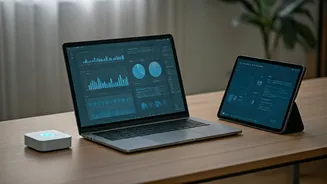
So, what makes new scheduling software 'smart'? The secret lies in artificial intelligence (AI) and machine learning. Instead of just being a digital calendar, these platforms act as a data-driven command centre. They integrate information from multiple sources: employee contracts, labour regulations, real-time sales or call volume data, and even individual employee preferences. The AI then processes these millions of data points to generate optimal schedules in minutes, not days. It learns from past patterns to predict future needs, suggesting staffing levels that prevent both understaffing (which burns out employees) and overstaffing (which wastes money). This isn't just about automation; it's about augmentation, giving managers a powerful tool to make better, faster, and fairer decisions.
How Software Fights Fatigue
While the headline's claim of 'erasing' fatigue is optimistic, these tools have specific features designed to significantly reduce it. Many platforms now incorporate principles of sleep science. For instance, they can be configured to avoid 'clopening' shifts (where an employee closes late at night and opens early the next morning) and ensure adequate rest periods between shifts, even across different time zones. Fairness is another key component. Algorithms can ensure that undesirable shifts—like nights or weekends—are distributed equitably across the team over time. Some advanced systems allow employees to easily swap shifts or input their availability and preferences directly, giving them a sense of control and flexibility that is crucial for combating burnout. By prioritising employee well-being as a key variable, the software helps build schedules that are not just efficient, but sustainable.
A Powerful Tool, Not a Perfect Cure
It's crucial to understand the limitations. Smart software cannot fix a toxic work culture or compensate for chronic understaffing. It is a tool that optimises within the constraints it is given. If a company's leadership still demands 24/7 availability without adequate resources, the software can only mitigate the damage, not solve the root problem. The most effective implementation occurs when smart scheduling is part of a broader cultural shift towards valuing employee well-being. Human oversight remains essential. Managers must still communicate with their teams, listen to feedback, and make final judgements. The technology provides the data and the optimal framework, but empathy and human leadership are what truly make a workplace healthy and productive.