


More Than Just a Bench
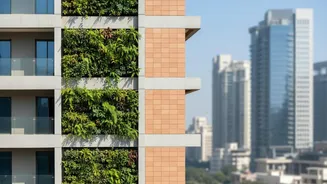
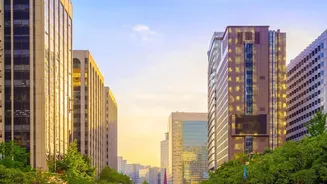
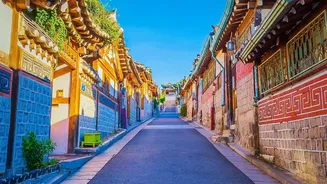
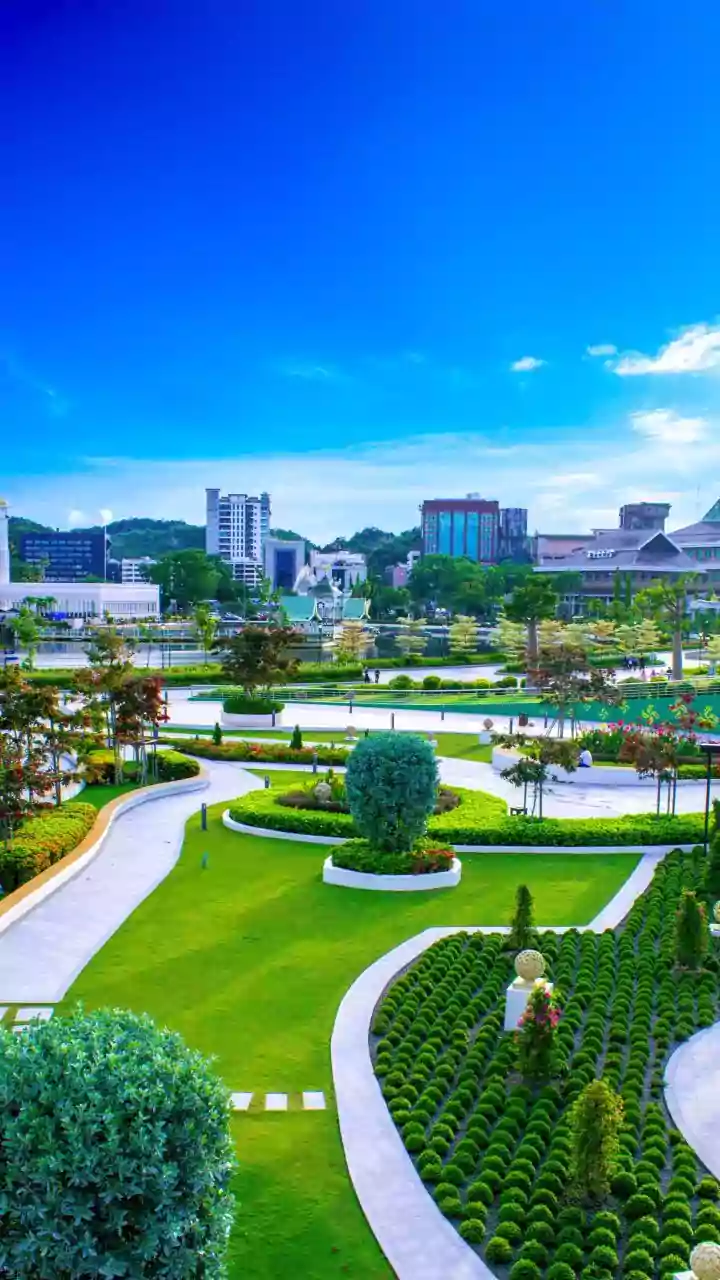
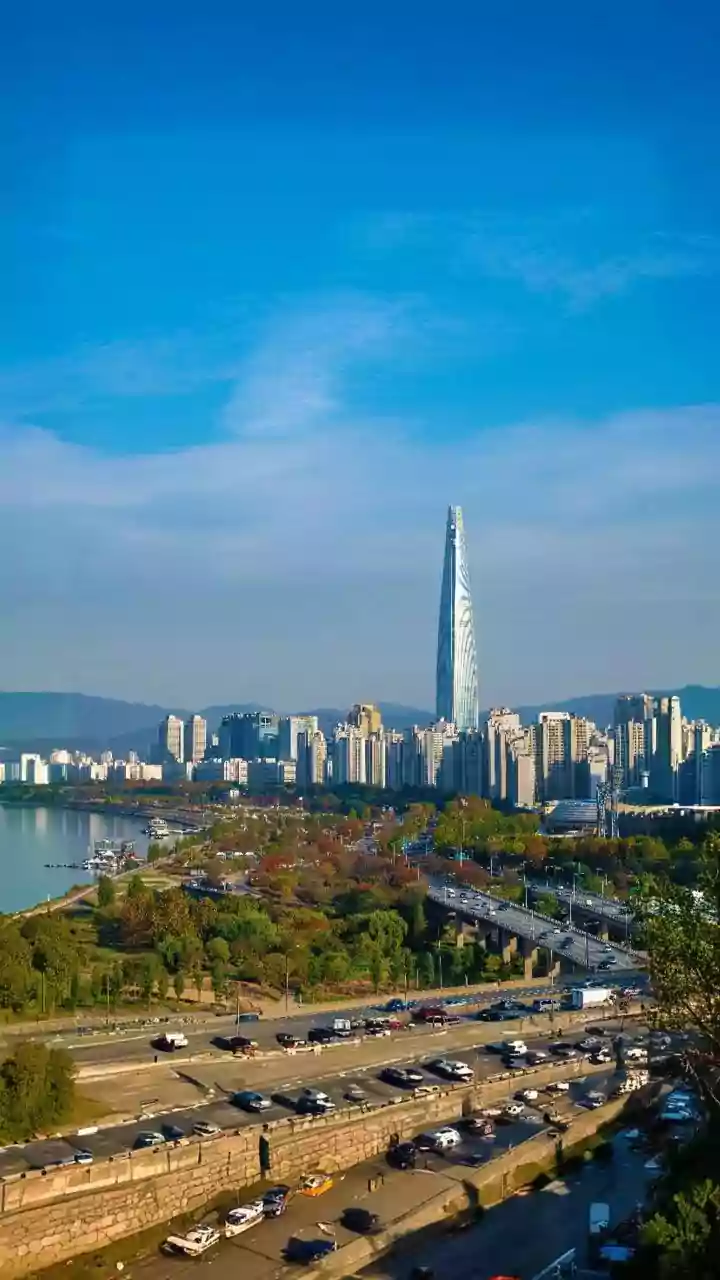
At its heart, Seoul’s idea is a multi-faceted push to reclaim urban space for human well-being. It’s not one single project, but a city-wide philosophy embedded in initiatives like the 'Garden City, Seoul' vision. This plan aims to transform the concrete
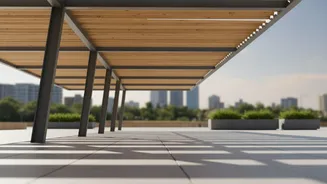
jungle by creating thousands of new gardens and green walkways by 2026. The goal is to ensure green spaces are within a five-minute walk for residents. This includes everything from large new parks to small, deliberate installations of benches and shade canopies at crosswalks, bus stops, and along revitalized riverbanks. These are not just afterthoughts; they are planned micro-sanctuaries designed to offer respite from both the summer heat and the frantic pace of city life.
The Philosophy of the Pause
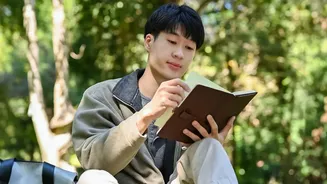
Why is inviting people to do nothing so important? Urban planners and sociologists have long known that the quality of a city's public realm is measured by how long people willingly spend in it. Seating and shade send a clear message to citizens: you are welcome here. Your comfort matters. In a culture that often prioritizes efficiency and movement, designing for stillness is a radical act of civic care. These spaces combat the feeling of transience that can make large cities feel alienating. By providing a place to rest without needing to purchase anything, the city fosters a more inclusive and democratic environment. It allows for 'people watching,' a simple activity that urbanist Jane Jacobs called the 'intricate sidewalk ballet,' which increases the number of 'eyes on the street' and enhances public safety.
Combating Heat and Fostering Community
The practical benefits are immediate and tangible, especially as climate change brings more intense heat waves. Seoul has been installing thousands of shade canopies, some of which are 'smart shades' that automatically deploy at certain temperatures and include seating for multiple people. These structures provide crucial relief, lowering the risk of heat-related illness, particularly for the elderly and other vulnerable groups. But the ripple effects go further. Research shows that access to green spaces and even just viewing a garden can reduce anxiety and stress levels significantly. These resting spots become impromptu social hubs, places where neighbours might chat while waiting for a traffic light, or where a tourist can rest and observe local life, fostering a sense of connection and community. Recent initiatives, like adding shaded seating along the Cheonggye Stream for a summer wading event, proved overwhelmingly popular, showing the public's deep appetite for such amenities.
A Blueprint for Growing Cities
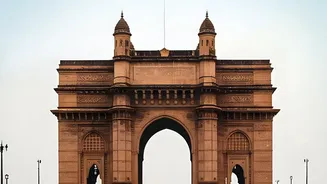
Seoul’s success offers a powerful lesson for rapidly urbanizing nations like India, where cities are also grappling with high population density, rising temperatures, and the need for more humane public spaces. The strategy is not about massive, budget-breaking monuments, but about small, scalable interventions. It’s about recognizing the immense value locked in underused slivers of land—a wide pavement, an empty plaza, a roadside patch. By strategically placing benches, planting trees for shade, and ensuring these areas are well-maintained, cities can dramatically improve quality of life. The focus on creating a network of small, accessible green spaces and rest points is a more resilient and citizen-focused approach to urban development than concentrating solely on large, destination parks. It’s an acknowledgment that life happens in the small moments, and a great city is one that makes those moments better.