







Understanding the Official Advisory
The Lahaul and Spiti district administration, along with local police, has urged all travelers, especially those in private vehicles, to exercise extreme caution when planning a trip. The advisory highlights the unpredictable nature of monsoon conditions,
which can trigger landslides, flash floods, and shooting stones with little to no warning. A rainfall alert is active for the region, and authorities are clear: travel is possible, but only for the well-prepared and flexible. The core message is to prioritize safety over tight schedules and be ready for significant delays or last-minute changes to your itinerary. Non-essential travel is discouraged during periods of heavy rain warnings.
Key Routes and Their Risks
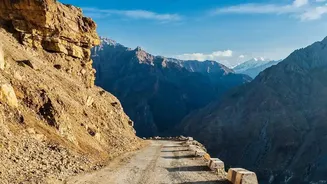
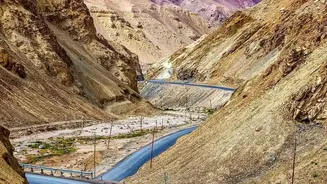
Both primary routes into the valley are affected. While Spiti itself is in a rain-shadow area and receives less rainfall, the approach roads are highly vulnerable. The Shimla-Kaza Highway (via Kinnaur) is traditionally considered the more gradual and safer route for acclimatization. However, it is not immune to monsoon hazards. Stretches near Wangtu, Rampur, and the infamous Malling Nallah are prone to landslides. The Manali-Kaza route, via the Atal Tunnel and Kunzum Pass, is a shorter but far more rugged option. It features multiple water crossings that can become impassable torrents by the afternoon. This route is often recommended only for 4x4 vehicles and experienced drivers. Officials have recently noted closures and hazardous conditions on both routes due to the rains.
Essential Precautions for Drivers
If you decide to proceed, preparation is non-negotiable. Firstly, your vehicle must be in top condition, preferably a high-clearance 4x4. Carry a basic recovery kit, a toolkit, and know how to use them. A tyre inflator and a puncture repair kit are also vital. Secondly, avoid travelling at night. Reduced visibility and the inability to spot fresh rockfalls make it incredibly dangerous. Always start your journey early to cover difficult stretches before afternoon, when rain tends to intensify and water levels in streams rise. Lastly, carry extra fuel and essential supplies like water and dry food, as road closures can leave you stranded for hours or even days.
Stay Informed and Connected
Real-time information is your most valuable asset. Before starting each day, check for the latest road status updates. The Himachal Pradesh Police and Lahaul-Spiti Police often post updates on their social media pages. Trust the advice of local drivers and authorities over any fixed online map or itinerary. Mobile connectivity is patchy to non-existent in many parts of the valley, so download offline maps. Inform your family or a contact person of your daily route and expected arrival time. Do not rely on a strict schedule; build at least two to three buffer days into your travel plan to accommodate unexpected delays without taking unnecessary risks.
Recognising the Dangers
Understanding the specific threats can keep you safe. 'Shooting stones' are small rocks and debris that tumble down steep slopes, often dislodged by rain. Avoid stopping in marked rockfall zones. Flash floods are a major concern, as water levels in seemingly calm streams (nullahs) can rise in minutes due to a cloudburst upstream. If the water is fast-flowing or murky, do not attempt to cross it. Landslides are the most common cause of road closures. Be wary of sections of road with fresh mud, cracks, or an unusual flow of water. The advice from locals and authorities is paramount in these situations.