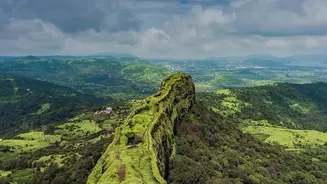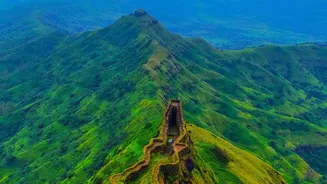

Starting Point: Satara's Monsoon Marvels
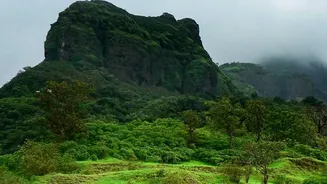
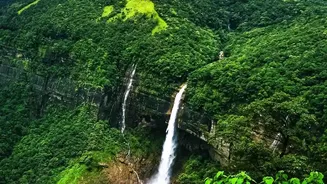
Begin your journey in Satara, a city with a rich Maratha heritage that serves as a gateway to some of the region's most spectacular natural wonders. During monsoon, from July to November, the area comes alive. Your first stop should be the Thoseghar Waterfalls,
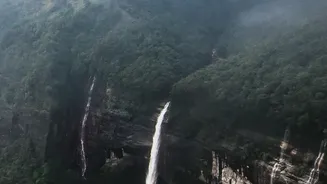
located about 20 kilometres from the city. This series of cascades, with one major fall plunging from nearly 200 metres, is a powerful spectacle in the rainy season. A well-maintained viewing platform allows for safe and breathtaking views of the falls roaring into the valley below. Next, head towards the Kaas Plateau, a UNESCO World Natural Heritage Site famously known as Maharashtra's Valley of Flowers. While the peak blooming season for its 850-plus species of wildflowers is typically from late August to early October, the surrounding landscape is exceptionally lush throughout the monsoon. Driving through these hills, you'll also pass the Chalkewadi Windmill Farms, where hundreds of windmills stand tall amidst the mist, creating a surreal and picturesque landscape.
The Scenic Drive to Mahabaleshwar
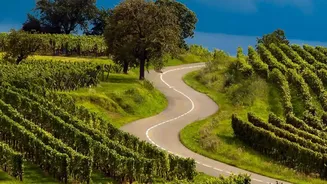
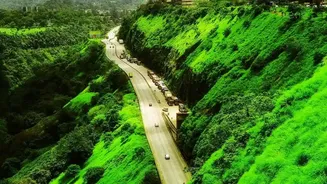
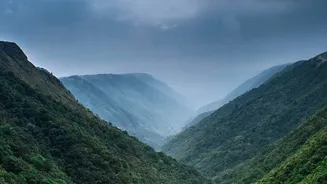
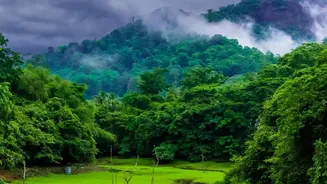
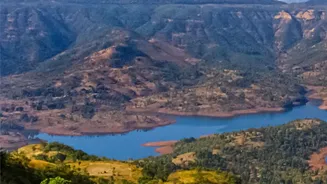
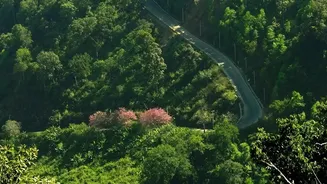
The drive from Satara to Mahabaleshwar is the heart of this road trip, offering multiple scenic routes. The most common route is via the Satara-Mahabaleshwar Road (State Highway 58), which passes through the Kelghar Ghat. This stretch is known for its dense forests and winding roads that offer stunning, though often mist-shrouded, views. An alternative and equally beautiful route is via Medha, which can sometimes be a quicker option. A more secluded but highly recommended drive is the Kaas-Bamnoli-Tapola road, often called 'Mini Kashmir'. This journey takes you through dense forests, past the serene Shivsagar Lake formed by the Koyna Dam, and offers breathtaking, unexplored vistas of the Koyna valley. Regardless of the path you choose, the drive is an experience in itself, with countless small waterfalls appearing on hillsides and the air thick with the smell of wet earth.
Mahabaleshwar and Panchgani in the Mist
Upon reaching Mahabaleshwar, you'll find the popular hill station transformed by a blanket of fog. While some viewpoints might offer limited visibility, the misty atmosphere lends a magical and romantic quality to the town. Key viewpoints like Arthur's Seat, Elephant's Head Point, and Lodwick Point offer dramatic, cloud-draped panoramas when the fog briefly clears. Don't miss Lingmala Waterfall, which is at its most majestic during the monsoon. A short drive away is Panchgani, famous for Table Land, Asia's second-largest volcanic plateau. During the rains, this vast flatland is covered in a carpet of green, offering a unique landscape to explore, often with horses appearing and disappearing in the mist. The road connecting Mahabaleshwar and Panchgani is lined with viewpoints like Parsi Point, providing stunning views of the Krishna Valley and Dhom Dam.
Essential Monsoon Driving Tips
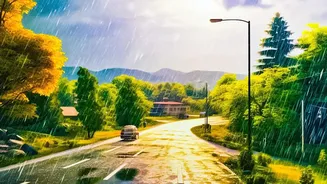
Driving in the Western Ghats during monsoon requires caution. Landslides are a real risk, and roads like the Kelghar Ghat can be temporarily closed for safety. Always check weather forecasts and local traffic advisories before starting your journey. Ensure your vehicle is in top condition, with special attention to tyres, brakes, and wipers. Drive slowly and steadily, maintaining a safe distance from other vehicles, as wet roads are slippery. Visibility can drop to near-zero in heavy fog or rain, so use low beams and fog lamps appropriately. It's wise to avoid driving after dark. Carry an emergency kit with a torch, power bank, first-aid supplies, and some snacks and water, as mobile networks can be patchy and facilities sparse in remote sections.