

The Shifting Rules of the Road
Navigating the entry points of Delhi has become more complex than ever, especially during the high-pollution winter months. The primary regulations fall under the Graded Response Action Plan (GRAP), which imposes progressively stricter curbs as the Air
Quality Index (AQI) deteriorates. As of late October 2026, with the AQI in the 'poor' category, Stage 1 of GRAP is in effect. While this stage doesn't impose a blanket ban on private cars, it rigorously enforces existing bans on older, more polluting vehicles. Specifically, diesel vehicles older than 10 years and petrol vehicles older than 15 years are not permitted on Delhi's roads. Furthermore, a stricter ban is set to begin on November 1, 2026, which will bar the entry of any vehicle registered outside Delhi that does not meet BS-VI emission standards. This applies to all vehicle types, including private cars and commercial vehicles, with exemptions only for those running on CNG, electricity, or carrying essential services.
Chaos at the Checkpoints
For travellers from neighbouring states like Haryana, Uttar Pradesh, and Rajasthan, the enforcement is most visible at the border checkpoints. Transport and traffic police teams have been deployed at key entry points like Kundli, Rajokri, and Tikri to monitor incoming traffic. These teams are tasked with verifying that every vehicle entering the city complies with the emission standards. This often involves stopping vehicles, checking their registration certificates, and sometimes cross-referencing information on the government's Vahan portal. The most crucial document for any driver is a valid Pollution Under Control (PUC) certificate. Under the 'No PUCC, No Fuel' rule, fuel stations across the NCR are directed to refuse petrol, diesel, or CNG to any vehicle without a valid certificate. This dual-pronged enforcement—at the borders and at the fuel pumps—creates a significant hurdle for unsuspecting drivers.
Hefty Fines and Impounded Vehicles
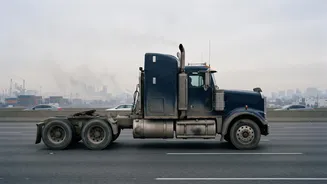
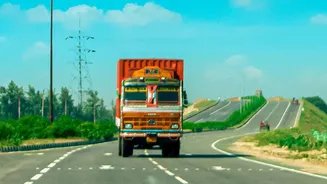
Getting caught with a non-compliant vehicle is a costly affair. Drivers of vehicles that violate the BS-III/BS-IV ban can be prosecuted under the Motor Vehicles Act, 1988, which carries a steep fine of ₹20,000. At the border checks, drivers are often given a stark choice: pay the challan or make a U-turn and find another way into the city. In many cases, visibly polluting vehicles or those found repeatedly violating the norms can also be impounded, leading to a logistical nightmare for long-distance travellers who may be far from home and dependent on their vehicle for transport of goods or family. This enforcement is particularly strict for commercial goods vehicles, which face tight restrictions on entry unless they are BS-VI compliant or run on cleaner fuels like CNG.
The Human and Economic Cost
Beyond the fines, the enforcement has a significant human and economic impact. Families travelling for personal reasons, small business owners transporting goods, and workers commuting daily from satellite towns are often the ones left stranded. Reports from previous enforcement drives show hundreds of vehicles being turned away at the borders daily, disrupting supply chains and personal travel plans alike. The ban on commercial vehicles that don't meet the latest standards can delay the delivery of goods, impacting businesses both inside and outside the capital. While these measures are framed as essential for public health, they place a heavy burden on individuals and businesses who may not have the means to upgrade to a newer, compliant vehicle on short notice.
Your Travel Alternatives
If you plan to travel to Delhi from an outer town, preparation is key. First, check your vehicle's registration and emission standard. If you drive a diesel car older than 10 years, a petrol car older than 15 years, or any non-BS-VI vehicle registered outside Delhi, it's best to leave it at home. The most practical alternative is to use public transportation. In response to the pollution curbs, the Delhi Metro has announced it will run additional train trips to encourage its use. Travellers can drive to a major town on the outskirts with good metro connectivity, park their vehicle, and complete their journey into the city via the metro. For those dependent on road travel, using CNG-powered vehicles or electric vehicles is the safest bet, as they are exempt from most of the entry restrictions.