

The Perks of Going Vertical
The most obvious benefit of a vertical garden is its space-saving design. By using upward space, you can host a variety of plants without cluttering your limited floor area. This technique draws the eye upward, which can make a small room feel taller
and more open. Beyond the aesthetics, indoor plants offer significant wellness benefits. Studies have shown that being around greenery can reduce stress, boost your mood, and improve concentration and productivity—all crucial elements for a healthy work-from-home environment. Plants also act as natural air purifiers, absorbing common indoor toxins and releasing fresh oxygen.
Choosing the Right Shelf
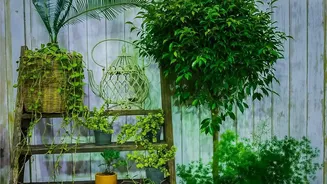
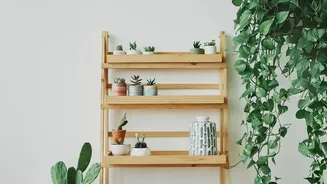
The perfect vertical shelf depends on your space and style. For renters, freestanding options like ladder shelves or tiered stands are ideal because they don't require drilling. They can be tucked into an empty corner, instantly turning an overlooked spot into a green feature. Wall-mounted floating shelves offer a minimalist, clean look and can be arranged in creative patterns. If you have a specific vision, grid panels or hanging rail systems provide a customisable and modern aesthetic. When choosing, consider the material—wood adds warmth, while metal offers a sleek, industrial feel. Most importantly, ensure the shelf is sturdy enough to hold the weight of pots filled with moist soil.
Picking the Perfect Plants
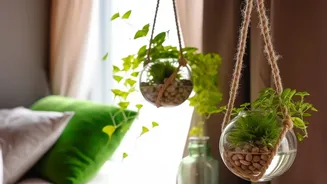
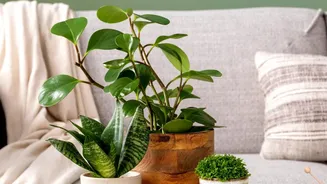
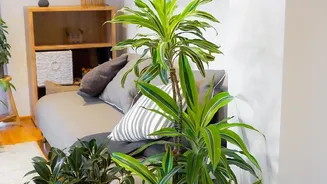
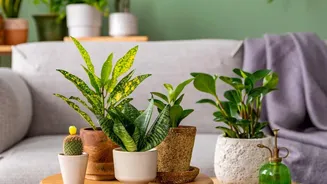
Not all plants are suited for shelf life. The best choices are typically low-maintenance varieties that tolerate indoor light conditions. For a dramatic cascading effect, go for trailing plants like Pothos (Money Plant), Heartleaf Philodendron, or String of Hearts. These look beautiful spilling over the edges of higher shelves. For upright structure, Snake Plants and ZZ Plants are nearly indestructible and thrive on neglect. They are excellent air purifiers and do well in low light. Other great options include Prayer Plants, compact ferns, and Aglaonema (Chinese Evergreen), which add texture and colour. For beginners, it is wise to start with just a few easy-care plants.
Setting Up Your Green Corner
Once you have your shelf and plants, it’s time to assemble your garden. Start by considering light. Place plants that need more sunlight on the top or outer edges of the shelves, and low-light tolerant plants on lower levels or in shadier spots. Create visual interest by mixing plant heights, leaf shapes, and textures. A combination of trailing, upright, and bushy plants will give your display depth and a lush, layered look. To maintain a cohesive style, try using pots of a similar colour or material. Sticking to a palette of two or three colours, like terracotta, white, or black, can make the display feel curated rather than chaotic.
Simple Care and Maintenance
Caring for plants on a shelf requires a little extra attention. Pots on shelves, especially smaller ones, can dry out faster than those on the floor. Check the soil moisture every few days. A key rule is to always use pots with drainage holes and place a saucer underneath to catch excess water and protect your shelves. To ensure all sides of the plant get light, rotate each pot every few weeks. This prevents the side facing the wall from dying back and encourages even growth. Finally, keep leaves clean by wiping them with a damp cloth occasionally; this helps them breathe and absorb light more effectively.