







The Truth About Humidity and Hair Fall
First, let's address the big number: 200 strands. While it sounds terrifying, it's important to put it in context. The average person naturally sheds between 50 and 100 hairs each day. The claim that this number doubles precisely to 200 in humid weather
is a dramatic simplification, but it points to a real phenomenon. Many people do experience a noticeable increase in hair shedding during certain seasons, particularly during the hot and humid months typical of the Indian monsoon. So, while the exact number might be an exaggeration, the underlying observation that humidity and hair fall are linked is valid. The increase is often temporary and linked to environmental stressors on your scalp and hair follicles.
Understanding Your Hair's Natural Cycle
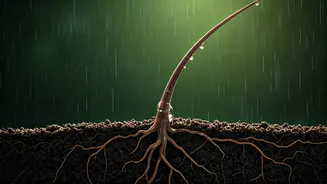
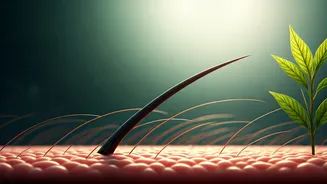
To understand why this happens, we need a quick science lesson on your hair's life cycle. Each hair on your head goes through three main phases. The 'Anagen' phase is the active growth period, lasting several years. Then comes the 'Catagen' phase, a short transition period. Finally, there's the 'Telogen' phase, a resting period of about three months, at the end of which the hair strand falls out to make way for a new one. At any given time, about 5-10% of your hair is in this telogen phase, which is why daily shedding is normal. Seasonal changes can push a slightly higher percentage of hairs into the telogen phase simultaneously, leading to a period of increased shedding known as 'telogen effluvium'.
How Humidity Affects Your Scalp
The primary villain here isn't the moisture in the air itself, but how your scalp reacts to it. High humidity, combined with heat, creates a perfect environment for a host of scalp issues. Your scalp produces more sweat and sebum (natural oil), which can mix with dirt and product buildup. This sticky combination can clog hair follicles, leading to inflammation. Furthermore, this warm, damp environment is ideal for the proliferation of fungus, particularly Malassezia, the yeast linked to dandruff. An itchy, inflamed, or flaky scalp is an unhealthy scalp, and it can disrupt the hair growth cycle, pushing more follicles into the shedding phase prematurely.
Practical Tips for Managing Monsoon Hair Fall
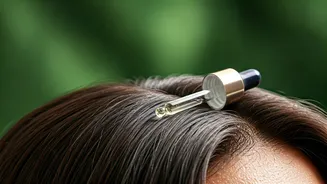
Instead of panicking, you can take practical steps to support your scalp and minimise seasonal shedding. Focus on keeping your scalp clean and healthy. Consider switching to a clarifying or anti-dandruff shampoo once or twice a week to combat buildup and control yeast overgrowth. Don't be afraid to shampoo regularly; a clean scalp is crucial. Pay attention to your diet—ensure you're getting enough iron, protein, and biotin, which are vital for hair strength. Avoid tight hairstyles that pull on the hair roots and can cause breakage, which is often mistaken for shedding. Finally, use lightweight, non-comedogenic hair products that won't clog your scalp pores.
When Should You Actually Worry?
It's crucial to distinguish between normal seasonal shedding and more persistent hair loss. If the increased shedding lasts for more than a few months, if you notice your parting getting wider, or if you see distinct bald patches, it's time to consult a professional. These could be signs of underlying issues like hormonal imbalances, nutritional deficiencies, or genetic hair loss (androgenetic alopecia) that require a proper diagnosis from a dermatologist or trichologist. Temporary, seasonal shedding should resolve on its own as your body adjusts, but chronic thinning needs medical attention.