

Why Mint and Basil Love the Monsoon
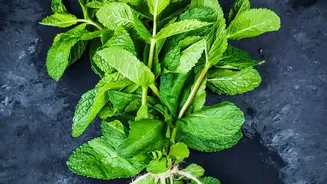
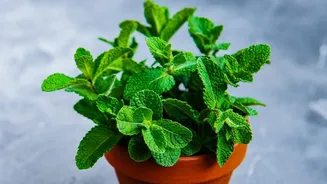
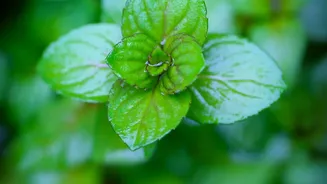
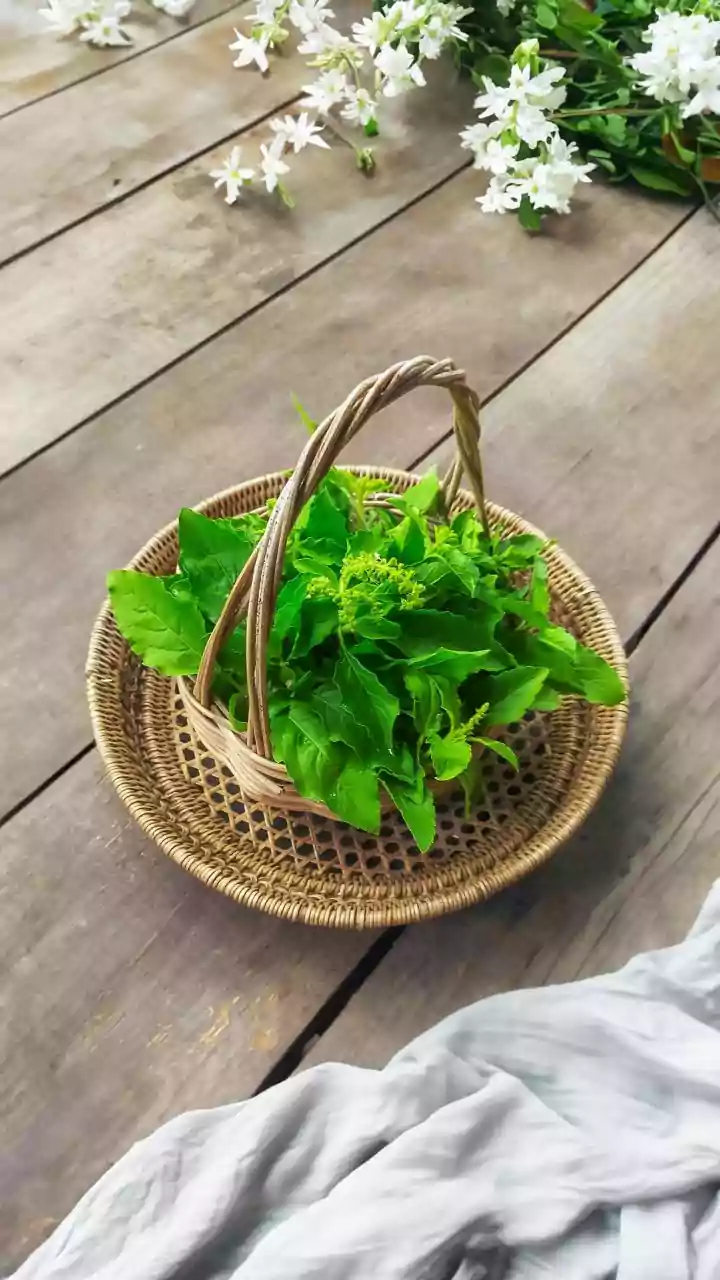
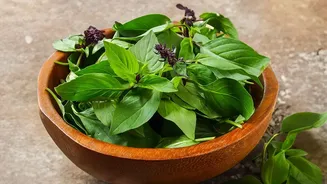
Mint and basil are fantastic choices for a rainy season garden. Both herbs thrive in the humid conditions that the Indian monsoon provides. The moisture in the air encourages lush, green leaf growth, making them particularly vigorous during this time.
However, their love for humidity comes with a catch: they hate having their roots constantly wet. The entire challenge of monsoon herb gardening is not about providing water, but about managing its excess and ensuring roots can breathe. With a few smart adjustments, your balcony can be the perfect home for these fragrant herbs.
The Right Home: Pots and Placement
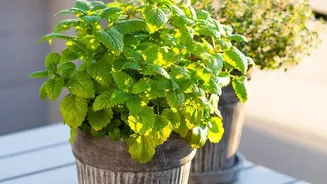
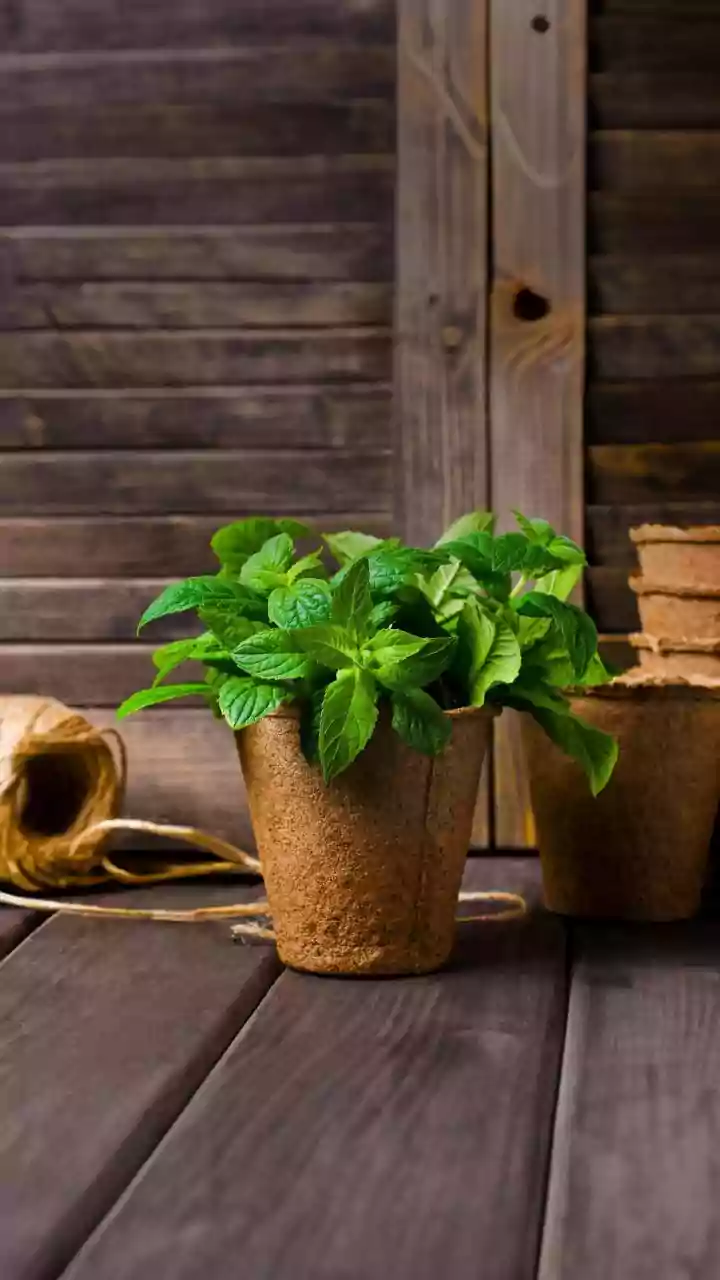
Success starts with the right container. Terracotta or clay pots are your best friends during the monsoon. Unlike plastic, they are porous, allowing excess moisture to evaporate from the sides and helping the soil to dry out faster. Most importantly, ensure your pots have at least one large, unblocked drainage hole at the bottom. To further improve drainage, you can elevate your pots on bricks or pot feet, which prevents them from sitting in puddles on the balcony floor. Position your plants where they can receive gentle morning sunlight but are shielded from the heaviest afternoon downpours. An east-facing balcony is often ideal.
The Foundation: A Well-Draining Potting Mix
Never use heavy garden soil alone in pots, as it compacts and holds too much water during rains, leading to root rot. Create a light, airy potting mix that allows water to drain freely. A reliable recipe for Indian conditions is to mix equal parts of soil (or cocopeat), compost (like vermicompost), and a coarse material for aeration. Coarse river sand or perlite are excellent choices for the aeration component. This blend provides nutrients from the compost, moisture retention from the cocopeat for dry spells, and the crucial drainage needed to survive continuous rain.
Watering Wisdom: Let the Rain Do the Work
The most common mistake in monsoon gardening is overwatering. Your plants will likely get plenty of water from the rain itself. Before you even think about picking up a watering can, always check the soil. The best way to do this is the finger test: stick your finger about an inch into the soil. If it feels dry at that depth, then it's time to water. If it feels damp, leave it alone. On days with heavy and consistent rain, your plants won't need any extra water from you. Also, be sure to empty any saucers or trays under the pots, as standing water is a direct invitation for root rot.
Controlling Monsoon Pests and Diseases
High humidity can encourage fungal diseases like powdery mildew and pests like aphids and mealybugs. Good air circulation is key to prevention. Avoid overcrowding your plants to allow air to flow freely between them. Regularly inspect the leaves, especially the undersides, for any signs of pests. If you spot any, a simple spray of neem oil mixed with water and a drop of liquid soap can be an effective organic solution. Also, make it a habit to clear away any fallen or yellowing leaves from the pot to prevent fungal growth on the soil surface.
Prune for a Bushy, Bountiful Harvest
Regular pruning is the secret to a bushy, productive herb plant. For both mint and basil, you should never just pluck individual leaves off the sides. Instead, trim the top of the main stems, cutting just above a set of leaves. This encourages the plant to branch out from that point, creating a fuller shape instead of a single, leggy stem. Regular harvesting of the top leaves serves the same purpose. Pinching off any flower buds that appear is also crucial, as allowing the plants to flower can make the leaves taste bitter.