







The Main Update: 30 Days Visa-Free
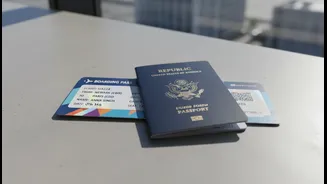
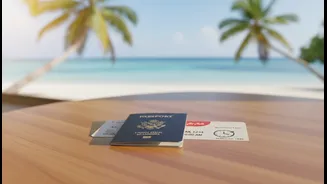
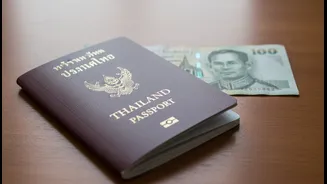
The Thai Cabinet has confirmed that it will continue to offer visa-free entry to Indian passport holders. The most significant change under this revised framework is the duration of stay. The previous 60-day visa-free period has now been reduced to 30
days. This decision reverses a period of uncertainty after an earlier proposal in May 2026 suggested scrapping the visa-free scheme for India altogether. That proposal, which never came into effect, caused confusion and a reported decline in tourist arrivals from India, a key market for Thailand.
Why the Change?
According to Thai authorities, the move to a 30-day stay aims to align the visa policy with the typical travel patterns of Indian tourists, who on average visit for five to ten days. While the 60-day allowance was introduced in 2024 to boost post-pandemic tourism, officials raised concerns about its misuse, including instances of foreigners overstaying or working illegally. The new 30-day limit is presented as a measure to balance tourism promotion with stronger immigration controls, ensuring the system is not abused while still welcoming genuine tourists.
What This Means for Your Travel Plans
For the majority of Indian travellers planning a standard holiday, this change will have little to no impact. A 30-day window is more than sufficient for exploring the country's popular destinations, from the bustling streets of Bangkok to the tranquil islands of Krabi. You can still enter Thailand without the need for a pre-arranged visa, simplifying your travel preparations. However, if you were planning a longer trip exceeding one month, you will now need to apply for an appropriate visa before you travel to cover the extended duration.
The Context: A Turbulent Few Months
This latest announcement brings clarity after a confusing period. A cabinet decision in May 2026 had initially proposed removing India from the visa-exemption list and moving it back to a paid visa-on-arrival category. This news led to a drop in bookings from India, which is Thailand's third-largest tourist market after China and Malaysia. Realising the economic impact, the government has now opted for this middle-ground solution: keeping the popular visa-free access but with a shorter stay period to address security and immigration concerns.
Options for Longer Stays
For those who need more than 30 days, such as remote workers, freelancers, or long-term travellers, Thailand offers other visa categories. The 'Destination Thailand Visa' (DTV), for instance, is a five-year, multiple-entry visa designed for digital nomads. It allows a stay of up to 180 days per entry, with the possibility of a further 180-day extension. While this requires a more involved application process and proof of funds, it provides a legal pathway for those looking to settle in for an extended period, separate from the standard tourist visa-exemption scheme.