







The Anatomy of a Modern Scam
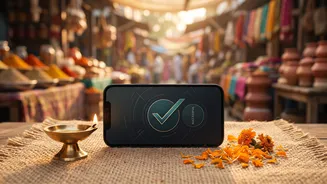
The scene is familiar to any small business owner or online seller in India. A customer selects their items, scans a QR code, and proudly presents their phone displaying a 'payment successful' screen from a popular UPI app. In the rush of business, it’s
easy to accept this as confirmation, hand over the goods, and move to the next customer. However, fraudsters are increasingly exploiting this trust. By the time the shopkeeper checks their bank balance at the end of the day, they discover the payment never arrived. This scam preys on our reliance on visual cues and the pressure of a busy environment, turning a simple transaction into a financial loss.
The Deceptively Simple Tools of Fraud
Creating a fake payment screenshot is alarmingly easy and doesn't require sophisticated technical skills. One of the most common methods involves using purpose-built 'prank' or 'spoof' payment apps. These applications, easily found online though not on official app stores, perfectly mimic the interface of legitimate UPI apps like PhonePe, Google Pay, or Paytm. A scammer simply enters the seller's name, the amount, and generates a convincing but entirely fake transaction confirmation screen, complete with a transaction ID. Other methods include using basic photo editing software to alter a genuine, old screenshot, or even using browser-based 'inspect element' tools to change the text on a webpage before taking a picture.
Why Your Eyes Can Deceive You
Scammers are masters of social engineering. They often strike during peak business hours, creating a sense of urgency and distraction. They might complain about a bad network or act impatient, pressuring the merchant to accept the screenshot without double-checking. Some fake payment apps even replicate the 'payment successful' sound notification, adding another layer to the deception. The scam works because the fake screenshots are designed to look identical to the real thing, often with only subtle giveaways like incorrect fonts, misaligned logos, or an odd-looking timestamp that would be missed in a quick glance. The fraudster is counting on the victim to trust what they see on the screen over the absence of a confirmation on their own device.
The Only Proof That Matters: Bank Confirmation
The single most important rule in the digital payment era is this: a screenshot is not money in the bank. The only reliable proof of a successful transaction is a confirmation received on your own device. This can be an SMS alert directly from your bank, a notification from your official UPI merchant app, or by manually checking your transaction history and account balance within your banking app. A pending transaction is not a completed one, and a screenshot proves nothing about the final status. Until the funds are reflected in your own account, the transaction is not complete.
How to Protect Your Business and Yourself
Protecting yourself from this fraud involves developing habits of verification. First, always wait for the payment confirmation on your own system. For merchants, a UPI Soundbox that gives an instant audio alert upon receiving payment is an excellent investment. If you don't have one, make it a habit to check your merchant app or bank SMS for every transaction before releasing goods. Never let a customer rush you. When checking their screen, be wary if they refuse to show you the transaction within their app's main history. Educate your staff on these procedures and make 'verify first' your standard policy. For online transactions, the rule is the same: ship the goods only after the payment is credited to your account, not based on an emailed screenshot.