



The Dawn of 'Hydrogen for Heritage'
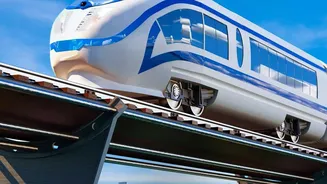
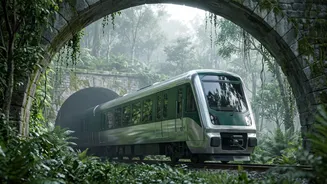
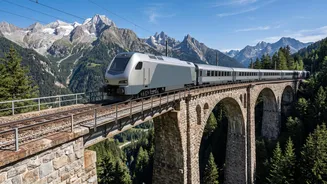
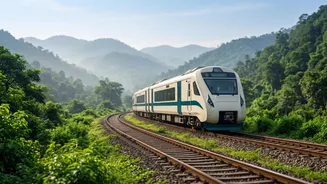
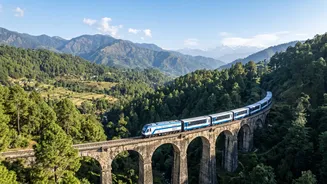
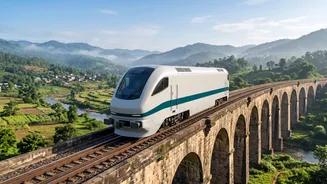
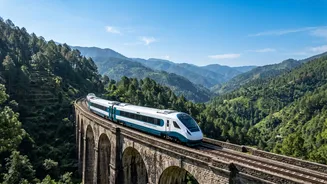
Indian Railways has launched a visionary project named 'Hydrogen for Heritage,' aimed at transforming its iconic, narrow-gauge heritage routes. The core mission is to replace the existing diesel-powered locomotives on these scenic lines with new trains
running on hydrogen fuel cells. This move is not just a technological upgrade; it is a commitment to preserving the delicate ecosystems of the mountainous regions where these vintage lines operate. The plan involves deploying as many as 35 hydrogen trains across several historic routes, including the famous Kalka-Shimla railway, Darjeeling Himalayan Railway, and Nilgiri Mountain Railway. By doing so, the railways seek to eliminate carbon emissions and reduce noise pollution, ensuring these treasured routes can be enjoyed by future generations without environmental compromise.
How Do These Hydrogen Trains Work?
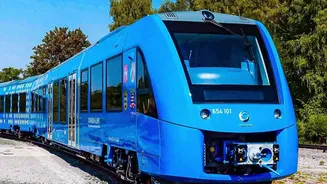
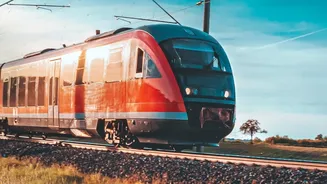
At its heart, a hydrogen train is an electric train that generates its own power onboard. Instead of drawing electricity from overhead lines or burning diesel, it uses a fuel cell to create a chemical reaction between stored hydrogen and oxygen from the air. This process produces electricity to power the motors, with the only direct by-product being water vapour, making it a truly zero-emission form of transport at the point of use. To handle the demands of rail travel, these trains are often hybrids, using batteries to store excess energy generated by the fuel cell or recovered during braking. This stored power provides a boost when accelerating or climbing steep gradients, which is crucial for the mountainous heritage routes.
A 'Make in India' Technological Leap
A key aspect of this initiative is its alignment with the 'Atmanirbhar Bharat' (Self-reliant India) vision. The first prototypes and subsequent trains are being designed and developed indigenously. The process involves retrofitting existing Diesel Electric Multiple Unit (DEMU) rakes with the new hydrogen fuel cell systems. While the initial pilot project was launched on the Jind-Sonipat section in Haryana to prove the technology's viability in Indian conditions, the learnings are being applied to the specialised trains required for the heritage lines. This domestic development not only builds valuable engineering expertise within the country but also places India in a select group of nations, including Germany and China, that are pioneering hydrogen rail technology.
Beyond Heritage: A Stepping Stone to Net Zero
The 'Hydrogen for Heritage' project is a highly visible part of a much larger goal for Indian Railways: achieving Net Zero carbon emissions by 2030. As one of the world's largest railway networks, its transition away from fossil fuels has a significant national impact. While nearly all of the main broad-gauge network is now electrified, a complete shift to green energy requires tackling the remaining non-electrified routes and diesel-run services. Hydrogen technology offers a clean alternative for these lines where electrification is geographically difficult or economically unviable. The experience gained from operating these trains, from refuelling infrastructure to maintenance protocols, will be invaluable as Indian Railways explores wider applications of hydrogen power across its network, contributing to India's broader climate commitments.