





Divide and Conquer the Ruins
The Hampi ruins are spread over a vast area, which can be broadly divided into a few key zones. Trying to see everything in one go is a recipe for exhaustion. Instead, dedicate a day or a significant portion of a day to each cluster. A common approach
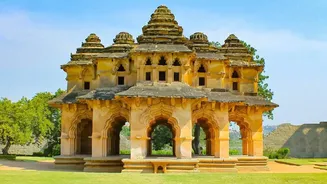
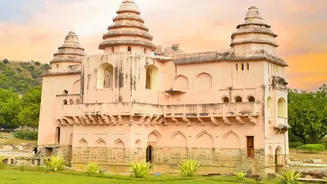
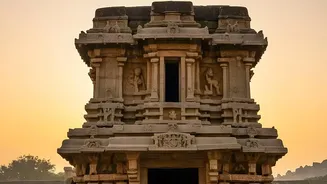
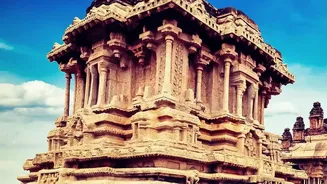
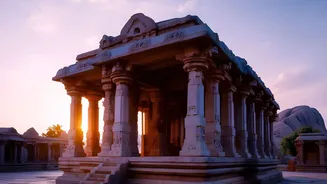
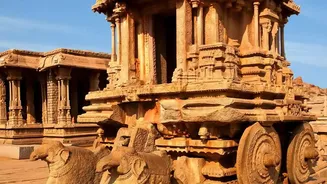
is to group your sightseeing geographically. Spend one day exploring the Sacred Centre, which includes the iconic Virupaksha Temple, the bustling Hampi Bazaar, and the monolithic statues on Hemakuta Hill. On another day, focus on the Royal Centre, home to the Lotus Mahal, Elephant Stables, and Queen’s Bath. The magnificent Vijaya Vittala Temple, with its famous Stone Chariot, can be a major focus for another block of time. By tackling Hampi in manageable chunks, you minimise travel time between sites and can explore each area more deeply without rushing.
Embrace the Golden Hours
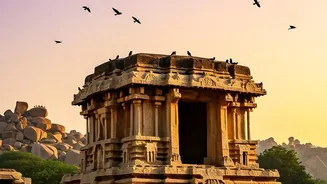
The South Indian sun can be intense, especially between late morning and late afternoon. The key to a comfortable trip is to plan your activities around the climate. Start your sightseeing early in the morning (ideally by 7 AM) when the air is cool and the light is soft, making for a more peaceful experience and better photographs. Use the hot midday hours, from around noon to 4 PM, for rest. This is the perfect time to have a long, leisurely lunch at a shaded restaurant, return to your hotel for a nap, or find a quiet spot to read. Head out again in the late afternoon to catch the golden hour light and watch the sunset from a viewpoint like Matanga Hill or the more accessible Hemakuta Hill. This rhythm allows you to see the sites at their best while avoiding the most draining part of the day.
Choose Your Chariot Wisely
How you get around Hampi significantly impacts your energy levels. While cycling is an eco-friendly way to explore, it can be tiring under the sun. Walking is essential for exploring temple complexes, but covering the distances between major zones on foot is not practical for most. For a balanced approach, consider hiring an auto-rickshaw for a full day. The driver can take you to the main sites, wait for you, and provide local insights, saving you the energy of navigating and walking long distances. This is especially useful for reaching spread-out areas like the Royal Centre. Another popular option, particularly on the Anegundi (or 'Hippie Island') side of the river, is to rent a scooter or moped, which offers flexibility without the physical exertion of a bicycle.
Schedule Intentional Downtime
Rest in Hampi doesn't have to mean staying in your room. Build culturally immersive, low-energy activities into your itinerary. One of the most unique experiences is a coracle ride on the Tungabhadra River. These traditional round boats offer a serene perspective of the landscape and temple gopurams from the water. Spend an afternoon relaxing at one of the laid-back cafes on the Anegundi side, many of which have floor cushions and a relaxed vibe perfect for unwinding. Simply finding a shaded pavilion within a temple complex to sit and absorb the atmosphere can be a powerful way to connect with the place without constantly being on the move. These moments of stillness are often as memorable as the sightseeing itself.
Stay and Eat Strategically
Your choice of accommodation can also play a role in managing your energy. Staying near the Hampi Bazaar area puts you within walking distance of the Virupaksha Temple and Hemakuta Hill, which is convenient for early morning and evening strolls. Staying across the river in Anegundi or Virupapur Gaddi offers a more tranquil, village-like atmosphere, ideal for those prioritising peace and quiet. Regardless of where you stay, make lunch a proper, restful break. Seek out restaurants that offer a comfortable and cool environment. Indulging in a traditional thali on a banana leaf or finding a cafe with views of the river can turn a simple meal into a rejuvenating part of your day.