




The Anatomy of the Perfect Batter
The foundation of a great vada is its besan (gram flour) batter. At its core, the batter consists of besan, water, and seasonings. However, the secret to an unforgettable crispiness lies in a few key additions. Many home cooks and street vendors add a small
amount of rice flour or cornflour to the besan. This is because rice flour is lighter, absorbs less oil, and helps create a delicate, crunchy crust that stays crisp for longer. For one cup of besan, a common recommendation is to add two to three tablespoons of rice flour. A pinch of baking soda is also a popular addition, as it helps make the batter lighter and puffier when it hits the hot oil. Finally, simple spices like turmeric for colour, a pinch of asafoetida (hing) for flavour, and salt are essential.
Secrets to an Ultra-Crisp Coating
Achieving that coveted crunch involves more than just the right ingredients; technique is paramount. The consistency of your batter is crucial. It should be smooth and free of lumps, thick enough to coat the potato ball evenly without being heavy or pasty. A batter that is too thin will slide off, while one that's too thick results in a hard, doughy coating. Another trick used by chefs is to add a teaspoon of hot oil directly into the batter just before frying. This helps make the final product lighter and crispier. Letting the batter rest for at least 15 to 30 minutes can also improve its consistency and final texture.
Mastering the Frying Technique
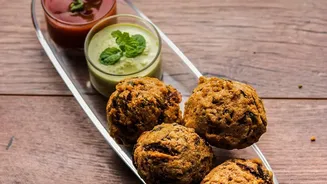
How you fry the vada is just as important as how you make the batter. The oil must be heated to the correct temperature. If the oil isn't hot enough, the vada will absorb excess oil and become soggy. A simple way to test the temperature is to drop a tiny bit of batter into the oil. If it sizzles and rises to the surface quickly without browning immediately, the oil is ready. Fry the vadas on a medium flame, which ensures they cook evenly and the coating becomes golden brown and crisp without the inside being undercooked. Don't overcrowd the pan, as this can lower the oil temperature. Fry in small batches for the best results. For an extra crispy finish, some even recommend a double-fry method: fry the vadas until they are halfway done, remove them, and then re-fry them just before serving.
Creative Twists on the Classic Vada
Once you have mastered the crispy coating, you can begin to experiment with variations. Some popular creative takes include adding gooey melted cheese inside the potato filling for a 'cheese burst' vada pav. Others mix in finely chopped vegetables like carrots or peas into the potato masala. For a different flavour profile, you can experiment with the batter itself. Adding spices like ajwain (carom seeds), red chilli powder, or even garam masala to the besan mix can give it an extra kick. A less common but interesting variation is the 'ulta vada pav', where a slice of pav is spread with the potato mixture, dipped in batter, and then deep-fried.
Assembling Your Masterpiece
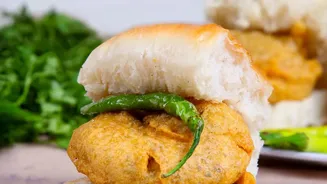
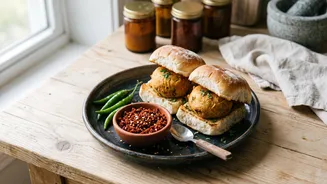
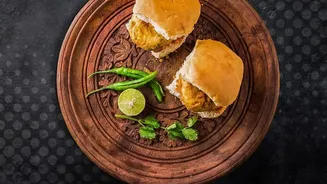
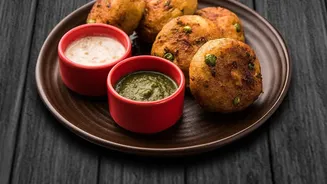
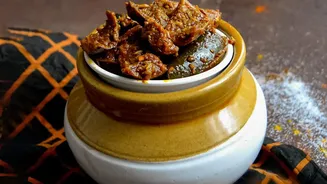
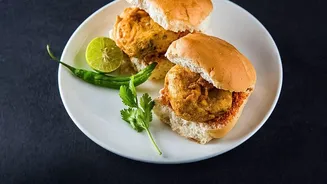
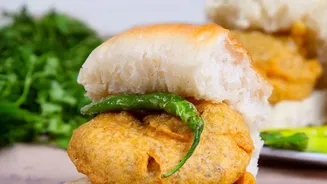
The perfect vada pav is a symphony of textures and flavours. Traditionally, the pav (a soft bread roll) is slit halfway, but not all the way through. The inside is then generously smeared with chutneys. The essential trio includes a spicy green chutney made from coriander and chillies, a sweet and tangy tamarind chutney, and a fiery dry garlic chutney made from garlic, coconut, and red chillies. The hot, crispy vada is placed inside, sometimes gently pressed. For the full street-food experience, serve it with a few fried green chillies on the side and a sprinkling of the crispy batter bits (chura) that are left in the frying oil.