


The Monsoon's Secret Light Show
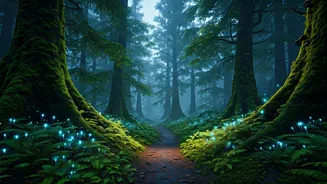
Deep within the UNESCO World Heritage site of the Western Ghats, a magical phenomenon unfolds with the arrival of the monsoon. As rains saturate the ancient forests of Maharashtra, Goa, and Karnataka, the landscape transforms. By day, it is a world of vibrant
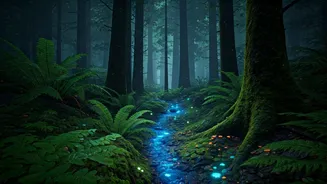
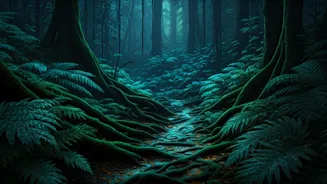
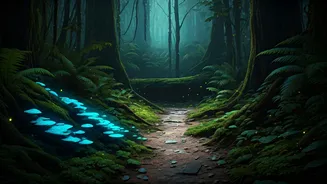
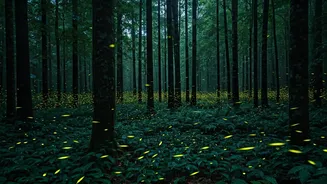
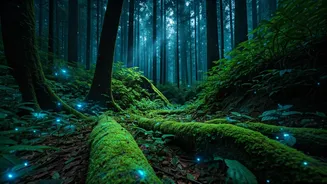
green. But by night, it becomes a canvas for nature’s own light show. This otherworldly glow isn't magic, but bioluminescence—the production and emission of light by a living organism. It’s a captivating spectacle that turns a simple night trek into an unforgettable journey into a glowing wonderland, where rotting logs, damp leaf litter, and even tiny insects pulse with a cool, silent light.
The Science Behind the Glow
So, how does a humble fungus or a tiny insect produce its own light? The process is a beautiful example of biochemistry in action. Most bioluminescent organisms use two key ingredients: a light-producing pigment called luciferin and an enzyme called luciferase. When luciferin reacts with oxygen, the luciferase enzyme acts as a catalyst, speeding up the reaction and causing it to release energy in the form of light. Unlike a light bulb, which produces a lot of heat, bioluminescence is often called “cold light” because less than 20% of the light generates thermal radiation. This efficiency is crucial for living organisms, allowing them to shine without cooking themselves. It’s nature’s very own, highly efficient LED display, perfected over millions of years of evolution.
Meet the Glowing Fungi
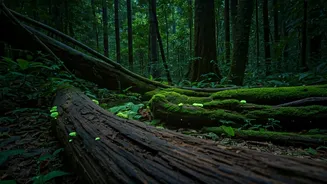
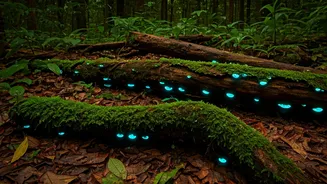
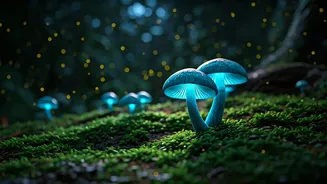
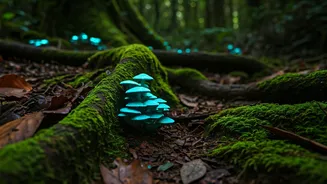
The most common source of the ghostly green glow on the forest floor in the Western Ghats is a species of fungus, primarily from the genus *Mycena*. These tiny mushrooms, often called 'bioluminescent fungi', sprout on decaying wood, bark, and leaves during the high humidity of the monsoon months. During the day, they look like any other small, unassuming mushroom. But after sunset, their gills begin to emit a steady, eerie glow. Scientists believe this glow serves a specific purpose. It may attract nocturnal insects, like beetles and flies, which then crawl over the fungi and inadvertently pick up spores, helping the fungus to disperse and reproduce in new areas. In a dark forest, a little bit of light can be the best advertisement.
A Whole Glowing Ecosystem
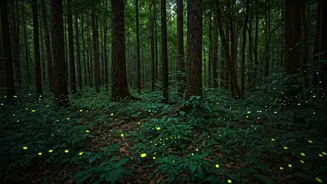
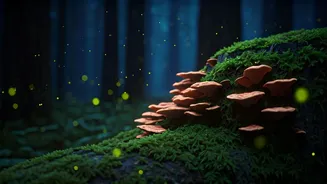
But the light show isn't limited to fungi. The Western Ghats are home to a diverse cast of glowing characters. The most famous are fireflies, which are actually beetles, not flies. Their blinking, rhythmic flashes are part of an intricate courtship ritual, a silent language of love written in light. Different species have unique flashing patterns to attract the right mate. Beyond the aerial ballet of fireflies, you might spot the larvae of these beetles, known as glow-worms. These creatures often live on the ground or in damp soil, emitting a more constant, steady light to warn predators that they are unpalatable. Together, these different forms of living light create a complex and interconnected web, painting the forest with dots, dashes, and patches of luminescence.
Where to Witness the Magic Responsibly
This natural spectacle is most prominent during the monsoon season, typically from June to October, when the humidity is high. Several areas within the Western Ghats are hotspots for this phenomenon. The Bhimashankar Wildlife Sanctuary in Maharashtra is renowned for its glowing forests. The Chorla Ghats, which straddle the borders of Goa, Karnataka, and Maharashtra, are another prime location. If you plan to seek out this magic, it's crucial to do so responsibly. Go with a knowledgeable local guide who understands the forest and its delicate ecosystem. Stick to designated trails, avoid using bright flashlights which can disturb nocturnal creatures, and practise a strict leave-no-trace policy. The goal is to witness the wonder without disrupting the very life that creates it.