





A Healthier Take on Festive Favourites
The primary driver behind the air fryer's rise is a growing health consciousness across India. For generations, festive eating has meant deep-fried indulgence, from crispy samosas and pakoras to sweet gujiyas. While delicious, these foods come with a heavy
dose of oil. The air fryer offers a compelling compromise: the ability to achieve a satisfying crunch with up to 80% less oil. This shift is part of a broader trend where consumers are actively seeking healthier food choices, driven by a desire for preventive wellness. It allows families to enjoy their beloved traditional snacks without the associated guilt, turning festive feasting into a lighter, more mindful affair. This makes the appliance a popular topic of conversation, especially in urban households looking to balance tradition with modern health goals.
Convenience Is the New King of the Kitchen
Beyond health, the sheer convenience of the air fryer is a game-changer during the hectic festive season. Preparing for festivals like Dussehra and Diwali involves cooking multiple dishes, often simultaneously. An air fryer removes several steps from the traditional frying process: there's no need to heat a large pan of oil, constantly monitor the temperature, or deal with messy splatters and cleanup. Users can simply place the food in the basket, set a timer, and walk away, freeing up valuable time and stovetop space. This efficiency is highly valued in modern households, especially by dual-income couples and nuclear families navigating fast-paced urban lives. The appliance’s ability to simplify cooking without sacrificing results makes it an invaluable tool during a time of celebration and social gatherings.
Old Recipes, Modern Twists
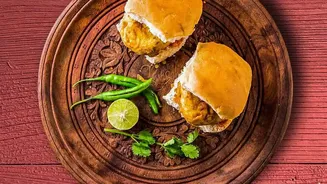
Home cooks are enthusiastically adapting classic Indian recipes for the air fryer, and sharing their successes online. This grassroots movement is key to the appliance's growing acceptance. Recipes for air-fried samosas, aloo tikki, bhakarwadi, and even dahi vada are now widely available, offering specific tips for this new cooking method. For instance, recipes for pakoras suggest a thicker batter to hold the shape without the deep-fryer's oil envelope, while adding breadcrumbs to aloo tikki mixtures is a popular trick for achieving a crispy crust. Paneer tikka, traditionally made in a tandoor, also cooks remarkably well, replicating the charred edges and smoky flavour. This creative adaptation shows that the air fryer isn't about replacing traditional food, but about finding new, healthier ways to enjoy it.
More Than Just a Health Gadget
As users become more familiar with the appliance, they are discovering its versatility beyond just frying. Air fryers are increasingly used for grilling, roasting, and baking, making them multi-functional devices that earn their counter space. They are perfect for roasting cashews for guests, reheating leftovers to their original crispy texture, or even making small-batch sweets. This versatility aligns with a consumer preference for appliances that can perform multiple tasks, saving space in increasingly compact urban kitchens. Brands have responded by adding features like preset menus tailored to Indian dishes, such as tandoori items, further integrating the appliance into the local culinary landscape. Major e-commerce platforms report that air fryers are consistently among the top-selling appliances during festive sales like Amazon's Great Indian Festival and Flipkart's Big Billion Days, highlighting their mainstream appeal.