




Myth: No Sun, No Sunscreen
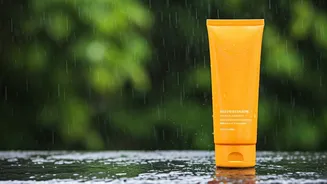
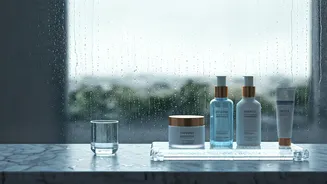
Reality: This is the most common and damaging myth. While clouds block a lot of visible sunlight and some UVB (burning) rays, they do very little to stop UVA (ageing) rays. [22] Up to 80% of these harmful UV rays can penetrate cloud cover, reaching your
skin even on the greyest, rainiest days. [9, 15] These UVA rays are a primary cause of premature ageing, pigmentation, and long-term skin damage. [10, 22] So, even if you can't feel the sun's heat, your skin is still exposed.
Myth: I'm Safe Indoors or in the Car
Reality: Monsoon days often mean more time spent indoors, but that doesn't make you immune to UV exposure. Standard window glass effectively blocks UVB rays but allows most UVA rays to pass right through. [3, 22] This means if you're working near a window, driving, or even just sitting in a brightly lit room, you are still accumulating UV damage throughout the day. [15] Dermatologists stress that this cumulative exposure is a major contributor to pigmentation and fine lines. [3, 18]
Myth: Sunscreen Feels Too Greasy in This Humidity
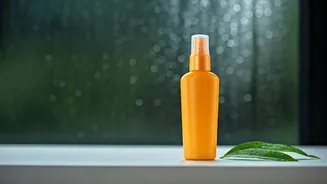
Reality: This is less of a myth and more of a common complaint, but it's one with a modern solution. The sticky, humid air of the monsoon can make heavy, cream-based sunscreens feel uncomfortable, leading to clogged pores and breakouts. [7, 16] However, the beauty industry has evolved. The key is to switch your formula. Dermatologists recommend opting for lightweight, non-comedogenic (won't clog pores), gel-based or aqua-gel sunscreens for the monsoon season. [2, 13] These formulas absorb quickly, leave a matte or non-greasy finish, and feel comfortable on the skin even in high humidity. [6, 17]
Myth: My SPF Makeup is Enough Protection
Reality: While it’s great that many foundations and BB creams now include SPF, relying on them for your primary sun protection is a mistake. To get the SPF level stated on the bottle, you would need to apply a far thicker layer of makeup than anyone typically would—about seven times the normal amount. [15] Makeup with SPF should be considered a bonus layer of protection, not your main shield. Always apply a dedicated, broad-spectrum sunscreen as the last step of your skincare routine before your makeup. [5]
Myth: I Only Need to Apply Sunscreen Once in the Morning
Reality: Sunscreen isn't a 'one-and-done' product. Its effectiveness wears off over time. For consistent protection, you should reapply it every 2-3 hours. [5] This is even more crucial during the monsoon. Humidity can make you sweat more, and even a quick dash through the rain can cause your sunscreen to wash away or break down faster, especially if it isn't water-resistant. [4, 6] If you get caught in a downpour or have been sweating, it's best to pat your skin dry and reapply your sunscreen to maintain protection. [4]