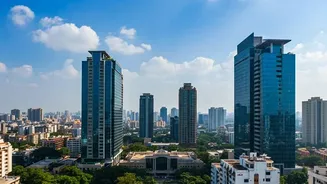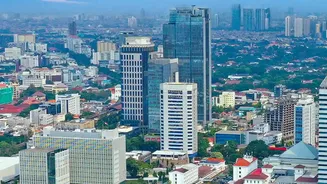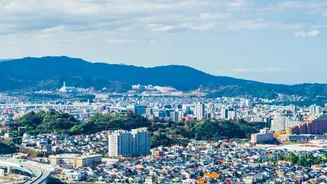





Look up. Past the concrete and billboards of India’s megacities, a new wild is taking root. From leopards using skyscrapers as vantage points to monkeys navigating metro lines, animals are not just surviving our urban sprawl—they are adapting to it.
The New Urban Jungle
When
we think of wildlife, we imagine dense forests and remote sanctuaries. But for a growing number of species, the city is the new wilderness. India's rapid urbanisation is transforming landscapes, and animals are responding in remarkable ways. This isn't just about pigeons and crows anymore; we're talking about leopards, monkeys, and birds of prey carving out niches in some of the most densely populated places on Earth. They are the ultimate adapters, turning our concrete jungles into their own complex ecosystems. Their success is a story of resilience, resourcefulness, and a surprising ability to coexist with humanity.
Mumbai's Leopards and Delhi's Macaques
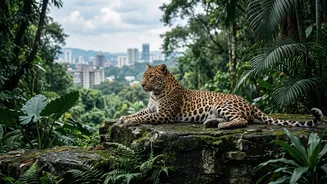
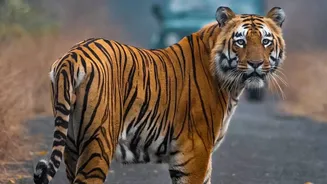
Perhaps no animal embodies urban adaptation better than the leopards of Mumbai. The city's Sanjay Gandhi National Park, a green lung surrounded by a metropolis of over 20 million people, is home to one of the densest leopard populations in the world. The latest census from 2024 confirmed at least 54 leopards in the park and its surrounding landscape. These cats have learned to navigate the urban fringe, using drainage pipes and railway lines as corridors and preying on stray dogs. Meanwhile, in Delhi, rhesus macaques have become masters of city life. With their natural forest habitats shrinking, they've turned to the capital for survival, finding ample food in the city's inefficiently managed waste. They patrol rooftops, navigate temple complexes, and have learned to live alongside millions of people, a testament to their incredible behavioural flexibility.
Survival of the Smartest
Success in the city requires more than just showing up; it demands a complete behavioural shift. Many urban animals have become masters of stealth, changing their schedules to avoid human activity. Leopards in Mumbai are largely nocturnal, using the cover of darkness to hunt on the city's edge. Birds have also made fascinating adjustments. In response to high daytime noise levels from traffic, some species in cities like Bengaluru have started singing at night or at a higher pitch to communicate. Others, like peregrine falcons, use tall buildings as substitutes for cliff faces, providing safe nesting spots and excellent vantage points to hunt pigeons. These are not just random occurrences but learned behaviours, passed down through generations, showcasing an evolutionary race in fast-forward.
From Green Spaces to Grey Infrastructure
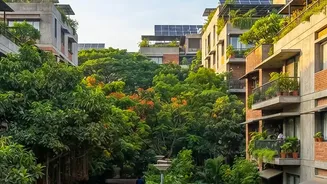
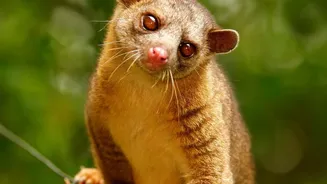
While parks and green belts are crucial, urban wildlife is increasingly making use of 'grey' infrastructure. Rooftops become nesting sites for owls and falcons, abandoned buildings provide shelter for civets, and highway underpasses become vital safe passages. Recognizing this, India has started integrating wildlife conservation into urban planning. The Delhi-Mumbai Expressway, for instance, features specially designed overpasses and underpasses to help animals cross safely, reducing human-wildlife conflict. Similarly, the Delhi-Dehradun Expressway includes one of Asia's longest elevated wildlife corridors. These projects acknowledge that for wildlife to survive, they need connected landscapes, and our infrastructure must be designed to accommodate their movement, not block it.
A Blueprint for Coexistence
The rise of urban wildlife is not without its challenges. The same adaptability that allows monkeys to thrive in Delhi also leads to conflict, with reports of attacks and property damage. Similarly, leopards venturing into residential areas can create fear. However, these conflicts often stem from human behaviour, such as improper waste disposal and intentional feeding of animals, which creates dependency. The solution lies in smarter urban management. Strategies like creating green corridors, protecting native vegetation, implementing effective waste control, and building wildlife-friendly infrastructure are essential. Citizen awareness is equally critical to foster a mindset of coexistence rather than conflict.