





Cold-Pressed vs. Refined: What’s the Real Difference?
The distinction between cold-pressed and refined oil lies entirely in the extraction process. Cold-pressed oils, also known as 'kachi ghani' or wood-pressed, are made by mechanically crushing seeds at a low temperature without using chemicals. This gentle
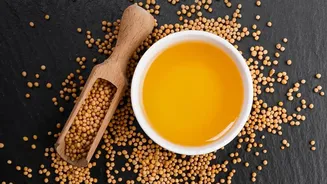
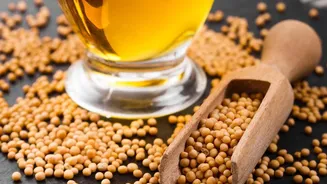
method helps the oil retain its natural flavour, aroma, colour, and, most importantly, its nutrients like antioxidants and vitamins. Think of the strong, pungent aroma of cold-pressed mustard oil or the nutty fragrance of groundnut oil. That's the natural character of the seed coming through. Refined oils, on the other hand, undergo an industrial process involving high heat and chemical solvents to extract the maximum amount of oil from the seed. This process also includes bleaching and deodorising, which strips the oil of its natural flavour, scent, and colour, resulting in a neutral, bland product with a longer shelf life. While this makes them stable, it also removes many of the beneficial nutrients found in their cold-pressed counterparts.
Decoding Smoke Point and Why It Matters
The smoke point is the temperature at which an oil stops shimmering and starts to smoke. When an oil is heated past this point, its chemical structure begins to break down. This process not only destroys nutrients but also creates harmful compounds, including free radicals and aldehydes, which have been linked to health risks. It also gives food a bitter, burnt taste. For Indian cooking—which involves everything from high-heat tadka and deep frying to slow simmering—choosing an oil with the right smoke point is crucial for both health and flavour. The goal is to cook your food at a temperature below the oil's smoke point to keep its structure intact.
Smoke Point Showdown: Common Indian Oils
Because refining removes impurities, refined oils generally have a higher smoke point than cold-pressed versions. However, the difference can be significant and varies by oil type. Groundnut (Peanut) Oil: Cold-pressed groundnut oil has a smoke point of around 160°C, while its refined counterpart can go up to 230°C. Mustard Oil: There is some debate here. Some sources state cold-pressed and refined mustard oil have a similarly high smoke point of around 250°C. Other sources suggest cold-pressed mustard oil's smoke point is lower, around 190-210°C, compared to 230-250°C for refined. Coconut Oil: Cold-pressed coconut oil has a smoke point of about 175°C, making it suitable for sautéing but not high-heat deep frying. Sunflower Oil: Refined sunflower oil is a common choice for frying due to its high smoke point of around 225-230°C and neutral taste. However, it is high in polyunsaturated fats (PUFAs), which can be less stable when heated repeatedly. * Sesame Oil: Cold-pressed sesame oil has a smoke point around 175°C, making it great for tempering and stir-frying.
A Practical Guide for Your Indian Kitchen
There is no single “best” oil; the right choice depends entirely on your cooking method. Here's a simple guide: For Deep Frying (Pakoras, Samosas, Puris): This requires sustained high heat (165-180°C). Refined oils like groundnut, sunflower, or rice bran oil are best suited for this task due to their high smoke points and neutral flavours. While some traditional recipes use mustard oil, its strong flavour can transfer to the food. For Sautéing and Gravies (Sabzis, Curries): Most daily cooking happens at medium heat (140-180°C). Cold-pressed oils like groundnut, coconut, and sesame are excellent choices here. They are well within their stable temperature range and add their own unique flavours to the dish. For Tadka (Tempering): This is a quick, high-heat process (120-160°C). Cold-pressed mustard, sesame, or groundnut oil work beautifully. The brief burst of heat is just enough to release the aroma of the spices without damaging the oil. For Drizzling and Dressings: For any no-heat application, always choose cold-pressed oils to get the maximum nutritional benefit and flavour. Cold-pressed extra virgin olive oil or mustard oil are great for this purpose.