








The Bellwether of the Indian Kitchen
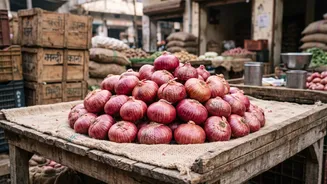
Onions are more than just an ingredient in India; they are a fundamental part of countless daily meals, from simple village rotis with raw onion to complex biryanis. Their universal and constant demand means any disruption to their supply is immediately
felt across the country. This makes the onion a potent symbol and a real-world indicator of food inflation. For many, the affordability of onions is a direct measure of their economic well-being. Its price volatility is so politically sensitive that it has been known to influence election outcomes, prompting swift government intervention whenever prices surge.
The Direct Ripple Effect on Your Plate
When onion prices shoot up, households feel the pinch directly. Food accounts for nearly half of the monthly spending for many families, so a sharp increase in a staple item forces tough choices. Consumers may buy fewer onions, but they also often cut back on other purchases to compensate. This can reduce demand for other vegetables, fruits, or even small luxuries. Recent data shows that when onion prices surge, other essentials are not far behind. For instance, a period of high onion inflation often coincides with rising prices for items like sugar, ginger, and garlic. This isn't a coincidence; it's a chain reaction starting with the most essential items.
Shared Fates: Weather and Supply Chains
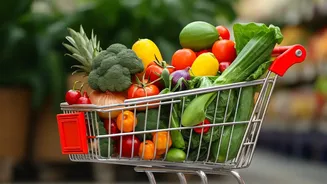
The factors that cause onion prices to fluctuate rarely happen in isolation. Erratic weather, such as a weak monsoon or unseasonal rains, impacts a wide range of crops simultaneously. Onions, potatoes, and tomatoes, often called the 'TOP' vegetables, are particularly vulnerable to these shared risks because they rely on similar growing seasons and storage conditions. Deficient rainfall can lead to lower yields for all, while excessive moisture can damage harvested produce in storage. Furthermore, these vegetables share the same transportation and logistics networks. Rising fuel costs or bottlenecks in getting produce from farms to markets affect the final price of everything in the vegetable cart, not just onions.
The Psychology of Inflation
A sharp rise in onion prices creates a powerful psychological effect, contributing to broader inflationary pressure. When consumers and traders see the cost of such a fundamental item double, it creates an expectation of general price hikes. Wholesalers and retailers of other goods—from pulses and spices to edible oils—may raise their own prices in anticipation of higher future costs or simply because they feel the market will tolerate it. This sentiment can become a self-fulfilling prophecy, turning a specific supply shock into widespread food inflation. For example, data shows significant price increases in edible oils and pulses often follow spikes in vegetable prices, demonstrating how this inflationary mindset spreads through the food basket.
Government Actions and Market Reactions
Because of their political sensitivity, governments often intervene to control soaring onion prices by banning exports, cracking down on hoarding, or importing supplies. While intended to provide relief, these measures can have unintended consequences. An export ban on onions, for instance, might disrupt trade relationships and affect the market dynamics for other exportable agricultural goods. Similarly, imposing stock limits on onion traders can cause them to alter their behaviour regarding other storable commodities. These policy decisions, though targeted at one vegetable, create ripples across the entire agricultural market, influencing the availability and pricing of other essentials as the market adjusts to new regulations.