

Why the Monsoon Challenges Our Gut
The shift in season from scorching summer to damp monsoon is a dramatic one for the environment, and for our bodies. The increased humidity and reduced sunlight can lead to a sluggish digestive system. According to Ayurvedic principles, the digestive fire,
or 'Agni', weakens during this time, making it harder to process meals. This is also a period when the risk of water and food contamination rises, making our bodies more susceptible to infections that cause issues like bloating, gas, and diarrhoea. This vulnerability makes it crucial to adapt our diets to support our gut health and, by extension, our overall immunity.
The Science of Fermentation
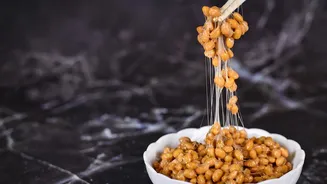
Fermented foods are rich in probiotics, which are live, beneficial bacteria that support a healthy digestive system. These microorganisms help balance our gut microbiome—the complex community of trillions of microbes in our intestines. A balanced microbiome is essential not only for smooth digestion and nutrient absorption but also for a robust immune response, as about 70% of the body's immune cells reside in the gut. The fermentation process also breaks down complex compounds in food, making nutrients easier for our bodies to absorb and sometimes even creating new ones, like B vitamins.
Ancient Wisdom Meets Modern Wellness
What our grandparents instinctively knew about diet is now being validated by science. Traditional Indian kitchens have always used fermentation, not just for preservation but for its health benefits. Foods like homemade dahi (curd), pickles, and batters for idli and dosa are prime examples. These are not new fads but time-tested practices that promote a healthy internal ecosystem. The resurgence of these foods in modern diets represents a return to natural, effective methods for maintaining health, especially during challenging seasons like the monsoon when our bodies need the extra support.
Your Monsoon Fermented Food Guide
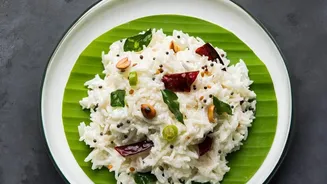
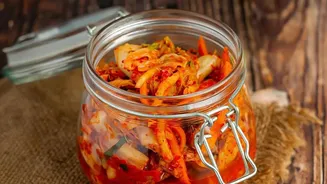
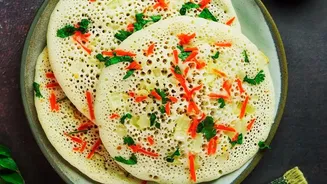
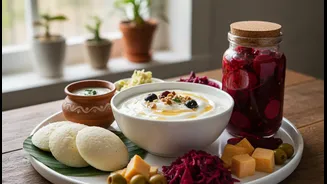
Incorporating fermented foods into your monsoon diet can be simple and delicious. Many are already staples in Indian households. Dahi (Curd) & Chaas (Buttermilk): Fresh, homemade curd is a probiotic powerhouse that cools the system and aids digestion. Chaas, its lighter, more diluted cousin, is excellent for hydration and soothing the stomach. Idli & Dosa: Made from a fermented batter of rice and lentils, these South Indian favourites are light, easy to digest, and a great source of gut-friendly bacteria. Traditional Pickles (Achaar): Lacto-fermented pickles, made at home with less oil and salt, can be a good source of probiotics. A small amount with a meal can stimulate digestion, but moderation is key. Kanji: This tangy North Indian drink, made by fermenting black carrots or beetroot with mustard seeds, is a potent probiotic beverage known to aid digestion. * Pakhala/Panta Bhat: A traditional dish from Eastern India, this consists of leftover rice soaked in water and left to ferment overnight. It’s a cooling and easily digestible meal.
Getting It Right: Tips for Monsoon
While fermented foods are beneficial, it's important to consume them correctly, especially during the monsoon. Prioritise freshness and hygiene; homemade is often best. If you're new to certain fermented foods, introduce them into your diet slowly to allow your system to adjust. Avoid consuming raw foods and street food, which carry a higher risk of contamination during this season. Instead, focus on well-cooked meals. Also, while dahi is beneficial, some Ayurvedic practitioners suggest opting for buttermilk (chaas) during this season as it's considered lighter on the digestive system. Always listen to your body and how it responds.