





Nature’s Air Conditioners
Indian cities are no stranger to scorching heat, but as urbanisation intensifies, so does the 'urban heat island' effect. Concrete and asphalt absorb and radiate the sun's energy, making cities significantly warmer than surrounding rural areas. Parks
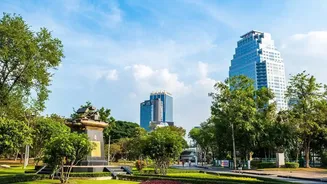
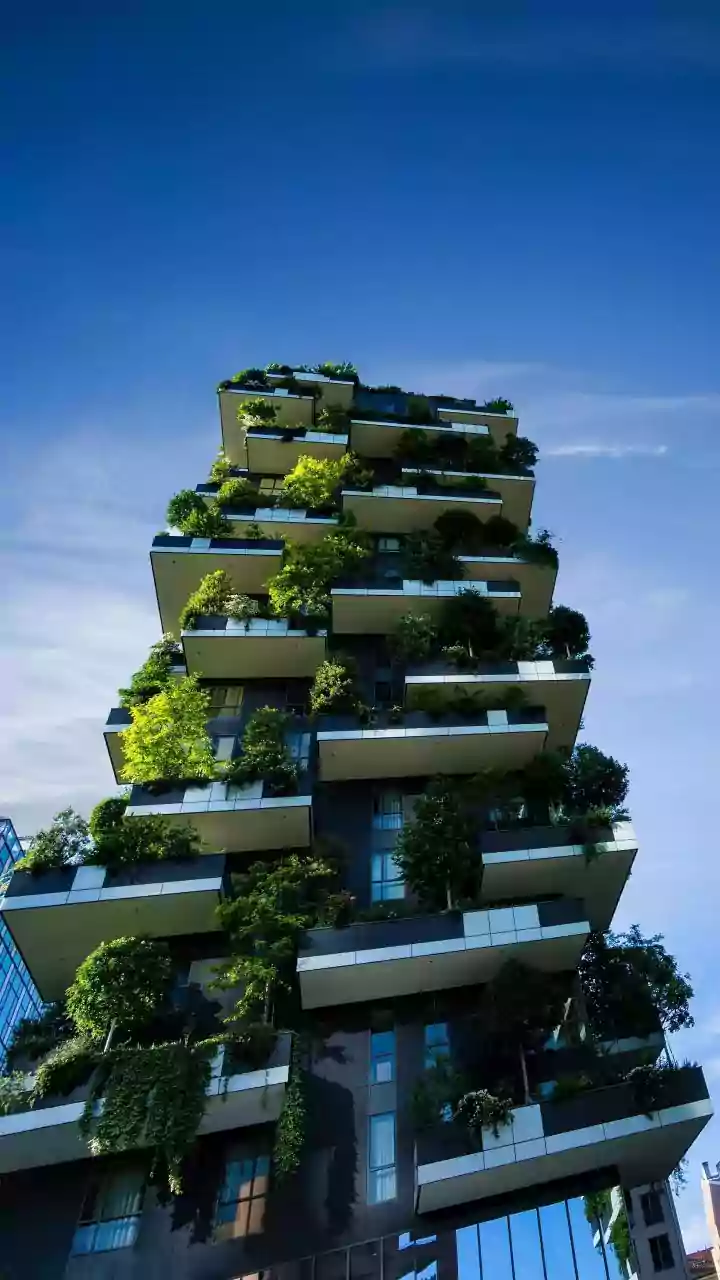
and green spaces are our most effective natural defence against this rising heat. Through a process called evapotranspiration, trees and vegetation release water vapour into the air, creating a cooling effect. The shade provided by a dense tree canopy can lower surface temperatures dramatically, offering a welcome respite from the sweltering sun. Studies have shown that areas near large parks can be several degrees cooler than parts of the city dominated by concrete. This isn't just about comfort; it's a public health imperative, reducing heat-related illnesses and lowering the immense energy burden from air conditioning.
Breathing Room in the Metropolis
In a nation where urban density is constantly on the rise, public space is at a premium. Parks provide essential breathing room, offering a democratic space where people from all walks of life can gather, relax, and connect. They are the lungs of the city, not just environmentally, but socially. These spaces foster community cohesion by serving as venues for festivals, sports, and informal social gatherings that strengthen neighbourhood ties. In cities where private space is limited and often expensive, parks act as a communal backyard. They provide children with safe places to play, adults with areas for exercise, and elderly residents with opportunities for social interaction, combating the social isolation that can be common in dense urban settings.
A Sanctuary for the Mind
The relentless pace of city living takes a toll on our mental health. The constant noise, crowds, and pressure contribute to heightened levels of stress and anxiety. Research consistently shows that access to green space has a powerful restorative effect on the human mind. Spending even a short amount of time in a park can reduce levels of cortisol, the body's primary stress hormone, leading to improved mood and reduced feelings of anxiety and depression. This connection to nature helps restore our attention, reduces mental fatigue, and promotes a sense of overall well-being. The simple act of seeing green, hearing birds, and feeling grass underfoot provides a crucial psychological buffer against the stresses of the urban environment.
More Than Just Pretty Spaces
The benefits of parks extend far beyond aesthetics and well-being. They are economic assets that deliver tangible returns. Proximity to well-maintained parks can increase property values, boosting municipal revenues. They also serve as hubs for biodiversity, providing critical habitats for birds, insects, and other wildlife within urban ecosystems. Furthermore, the vegetation in parks plays a crucial role in managing stormwater runoff, absorbing rainwater and reducing the strain on city drainage systems, which helps prevent flooding. By absorbing pollutants and producing oxygen, they are also frontline workers in the battle for cleaner urban air. In every sense, parks are a wise investment, delivering environmental, social, and economic benefits that make our cities more resilient and prosperous.