



The Science of Ripening
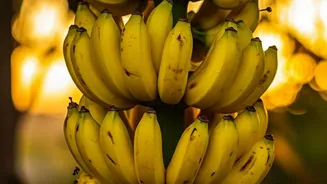
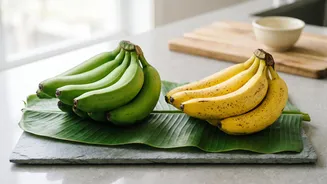
Bananas are typically harvested when they're still green, which ensures they arrive at the grocery store before becoming overripe. The transformation from green to yellow is a fascinating chemical process driven by a plant hormone called ethylene. As
a banana ripens, enzymes are triggered that begin to break down the complex starches within the fruit into simpler sugars like sucrose, glucose, and fructose. This conversion is the main reason for the dramatic shift in both taste and texture.
Texture and Sweetness: A Tale of Two Bananas
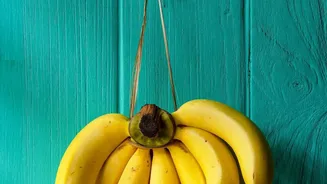
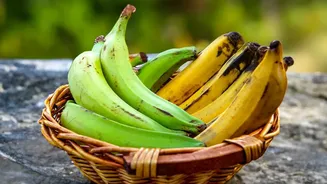
The most noticeable differences are, of course, in taste and texture. A green banana is firm, with a texture some describe as waxy or even potato-like. It’s not very sweet and can have a slightly bitter or astringent taste. This is because unripe bananas can be composed of up to 70-80% starch by dry weight.As the banana turns yellow, those starches convert into sugars, resulting in a much sweeter flavour and a softer, mushier texture. The pectin, a type of structural fibre that keeps the green banana firm, also breaks down, contributing to the softening of the fruit as it ripens.
The Power of Resistant Starch
The primary nutritional difference lies in the type of carbohydrates they contain. Green bananas are celebrated for their high content of resistant starch. As the name suggests, this type of starch 'resists' digestion in your small intestine. Instead, it travels to the large intestine where it acts as a prebiotic, feeding the friendly bacteria in your gut. This process is linked to numerous health benefits, including improved digestive health, better blood sugar control, and an increased feeling of fullness, which can aid in weight management. Because it's digested slowly, it causes a more gradual rise in blood sugar levels, giving green bananas a lower glycemic index.
Simple Sugars for Quick Energy
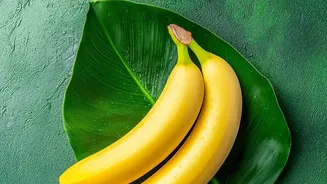
As the resistant starch in a banana converts to sugar during ripening, its glycemic index rises. A ripe, yellow banana contains more simple sugars that are absorbed more quickly by the body. This makes yellow bananas an excellent source of quick energy, ideal for a pre-workout snack or a post-exercise recovery boost. While a green banana may keep you feeling full longer, a yellow banana provides a more immediate fuel source. For most healthy individuals, the natural sugars in a yellow banana are not a concern, though those monitoring their blood sugar may prefer the less-ripe versions.
Vitamins, Minerals, and Antioxidants
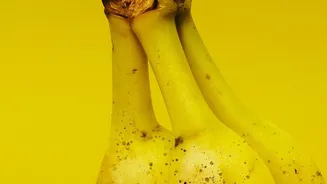
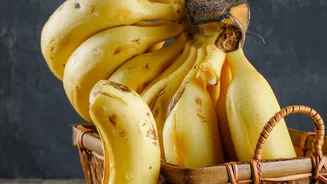
Both green and yellow bananas are great sources of key nutrients like potassium, vitamin B6, and vitamin C. Their core nutritional profile remains largely the same throughout the ripening process. However, some research suggests that the antioxidant levels in bananas may increase as they ripen and develop brown spots. These antioxidant compounds help protect the body's cells from damage. On the other hand, some micronutrients, like certain vitamins, can slightly degrade as the fruit ages. Ultimately, both colours offer significant nutritional benefits.
Best Uses in the Kitchen
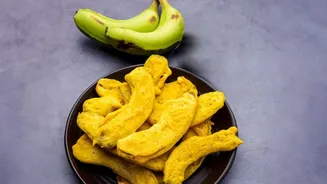
Because of their firm texture and starchy, less-sweet flavour, green bananas are often treated like a vegetable in many cuisines, similar to plantains. They can be boiled, fried, or added to savory dishes like curries. Green banana flour is also gaining popularity as a gluten-free alternative in baking.Yellow bananas, with their inherent sweetness and soft texture, are perfect for eating fresh out of hand. They are also ideal for smoothies, slicing over porridge or yoghurt, and of course, for baking classic banana bread, where their high sugar content and soft consistency are essential.