




The Monsoon's New Calendar
Traditionally, September marks the beginning of the monsoon's retreat. However, scientific evidence and recent weather events show this is no longer a given. Climate change is contributing to a more erratic and volatile monsoon. Studies indicate that
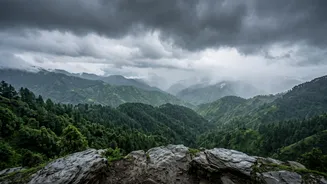
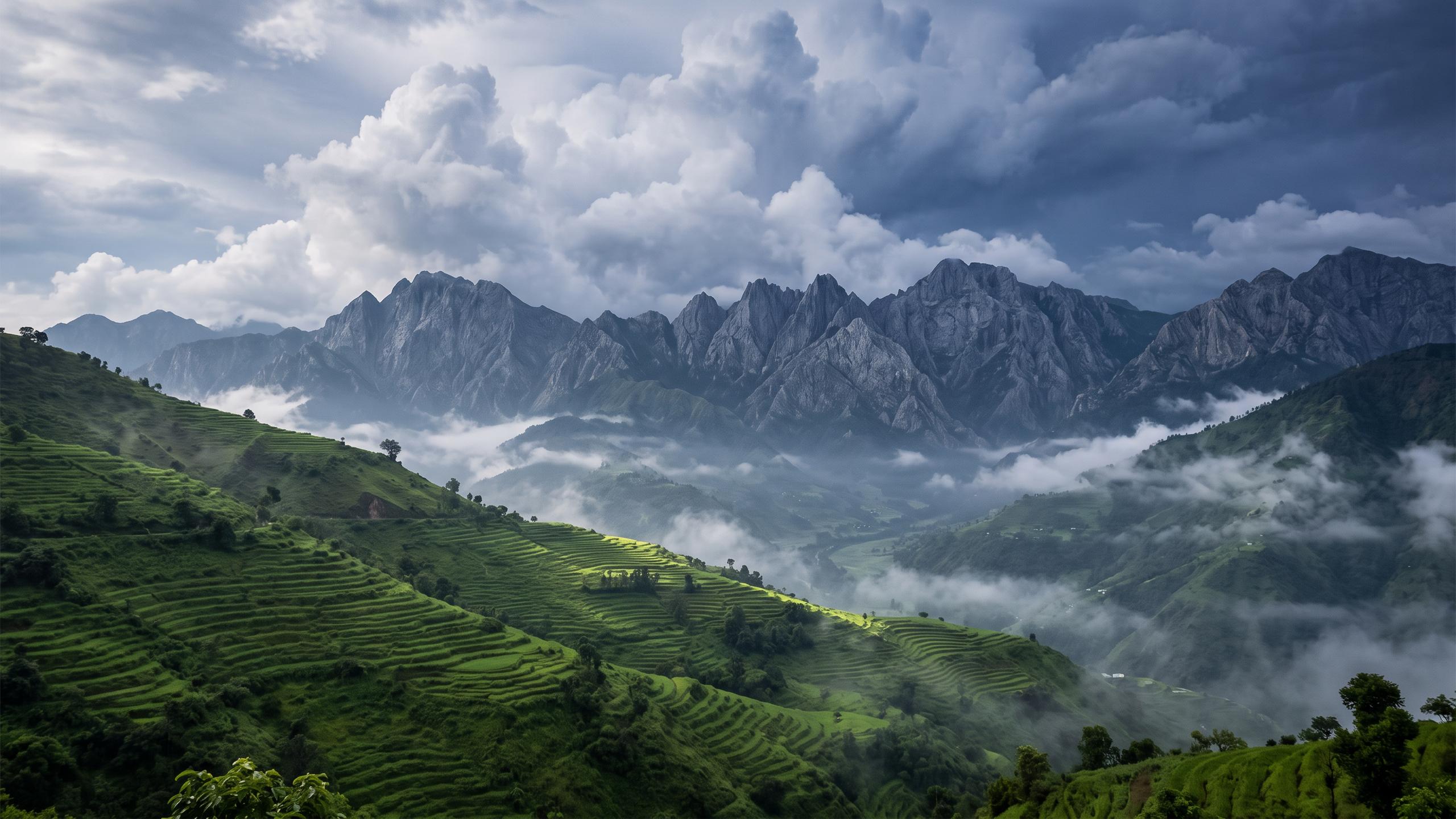
the monsoon withdrawal from northwest India is getting delayed, sometimes by over two weeks. Instead of a gentle tapering off, the late season is increasingly defined by prolonged wet spells and sudden, intense bursts of extreme rainfall. This means that September, once considered a relatively safe shoulder season, now often behaves like a peak monsoon month, especially in the Himalayan states.
The Risks: More Than Just Rain
For hill stations in states like Himachal Pradesh, Uttarakhand, and West Bengal, this shift brings significant dangers. The primary threat isn't the rain itself, but what it does to the saturated landscape. Intense downpours on slopes already soaked by months of rain dramatically increase the risk of landslides and flash floods. Recent incidents in early September 2026 highlight these dangers, with heavy rains in Himachal blocking nearly 100 roads and a fatal landslide in Uttarakhand's Almora district. These events can sever road connectivity for days, leaving travellers stranded. The combination of fragile geology and extreme weather makes popular tourist corridors particularly vulnerable.
Which Areas Are Most Vulnerable?
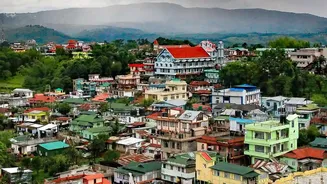
While no hill station is entirely immune, some regions carry a higher risk during these extended monsoons. In Himachal Pradesh, the Kullu-Manali corridor, the Kalka-Shimla highway, and areas around Chamba are frequently affected by landslides. In Uttarakhand, the Char Dham routes and districts like Chamoli and Rudraprayag are known for their fragile, landslide-prone gorges. Similarly, the highway to Gangtok in Sikkim is chronically unstable, and the Darjeeling hills also face frequent disruptions. It's often the journey, not the destination itself, that poses the biggest gamble. Checking with local authorities and the India Meteorological Department (IMD) for specific warnings is crucial before and during travel.
How to Plan a Safer Hill Trip
This doesn't mean you must cancel all September hill plans, but it does require a shift in strategy. The key is to be flexible, informed, and prepared. First, monitor the IMD forecast closely. Pay attention to any 'heavy' or 'very heavy' rainfall warnings for your destination and the routes leading to it. Second, build buffer days into your itinerary. A three-day trip can easily become a five-day trip if a road is blocked. Having extra days prevents the stress of being stranded and allows you to wait for conditions to improve. Third, consider safer alternatives. Rain-shadow regions like Lahaul and Spiti in Himachal are often drier. Low-altitude destinations that don't require long drives through vulnerable ghat sections are also a good bet. Alternatively, shifting your trip to late September or early October can make a significant difference. Finally, travel smart. Avoid driving at night during heavy rain, inform family or friends of your exact itinerary, and pack an emergency kit with extra food, water, a power bank, and a first-aid kit.