


The Reality of Record Tourism
Japan is experiencing an unprecedented tourism boom, shattering previous visitor records. In 2025, the country welcomed a historic number of foreign visitors—over 42 million people. This surge is largely driven by the affordability created by a weaker
yen, making everything from high-quality food to transport more accessible for international travellers. While fantastic for the economy, this has led to the phenomenon of 'overtourism', where the sheer volume of people strains infrastructure and can diminish the visitor experience in major hubs like Tokyo and Kyoto. The government has acknowledged the issue and is exploring measures to better manage the flow of tourists, but for now, crowds are a simple fact of travel in Japan's most famous locations.
Kyoto: Beautiful but Busy
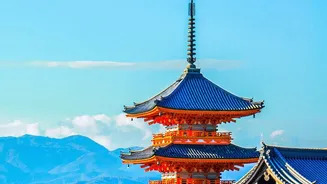
Kyoto, the former imperial capital, is the epicentre of Japan's overtourism challenge. Iconic sites such as the thousands of red gates at Fushimi Inari Shrine, the ethereal Arashiyama Bamboo Grove, and the wooden stage of Kiyomizu-dera Temple are often impassable during peak hours. The narrow streets of the Gion district and the bustling Nishiki Market can feel more like a packed sidewalk than a serene cultural experience. The congestion is so concentrated that many travellers report these world-famous spots are best visited at the crack of dawn or late in the evening to capture a fraction of the peace they are known for.
Tokyo's Crowded Hotspots
As one of the world's largest metropolises, Tokyo is naturally crowded, but certain areas are magnets for tourists and locals alike, creating an intense energy. The famous Shibuya Crossing, often called the world's busiest intersection, is a spectacle of organised chaos. Nearby, the narrow Takeshita Street in Harajuku is a shoulder-to-shoulder river of people. In Asakusa, the ancient Senso-ji Temple and its Nakamise shopping street are perpetually filled with visitors. Even getting a meal can involve long queues, especially at popular spots in the Tsukiji Outer Market or the restaurant-filled alleys of Shinjuku.
Strategies for a Smoother Trip
Avoiding the crowds entirely is impossible, but managing them is key. The number one strategy is timing. Visiting major attractions like Fushimi Inari or the Arashiyama Bamboo Grove at sunrise (before 7 a.m.) or in the evening can provide a completely different, more peaceful experience. Traveling during the shoulder seasons—like late autumn (avoiding peak foliage), winter, or the rainy month of June—can also mean fewer people. Another effective tactic is to simply wander off the main path. Just a few blocks away from a packed temple or busy street, you can often find quiet lanes, smaller shrines, and local shops that offer a more authentic glimpse into daily life in Japan.
Discovering Japan's Hidden Gems
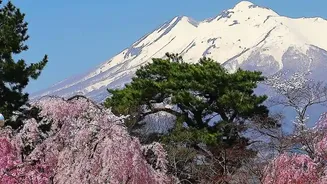
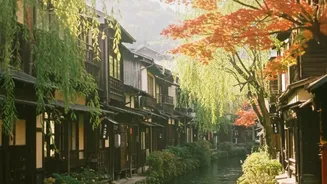
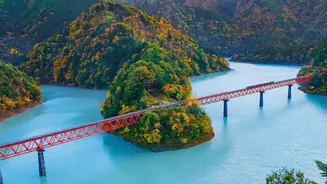
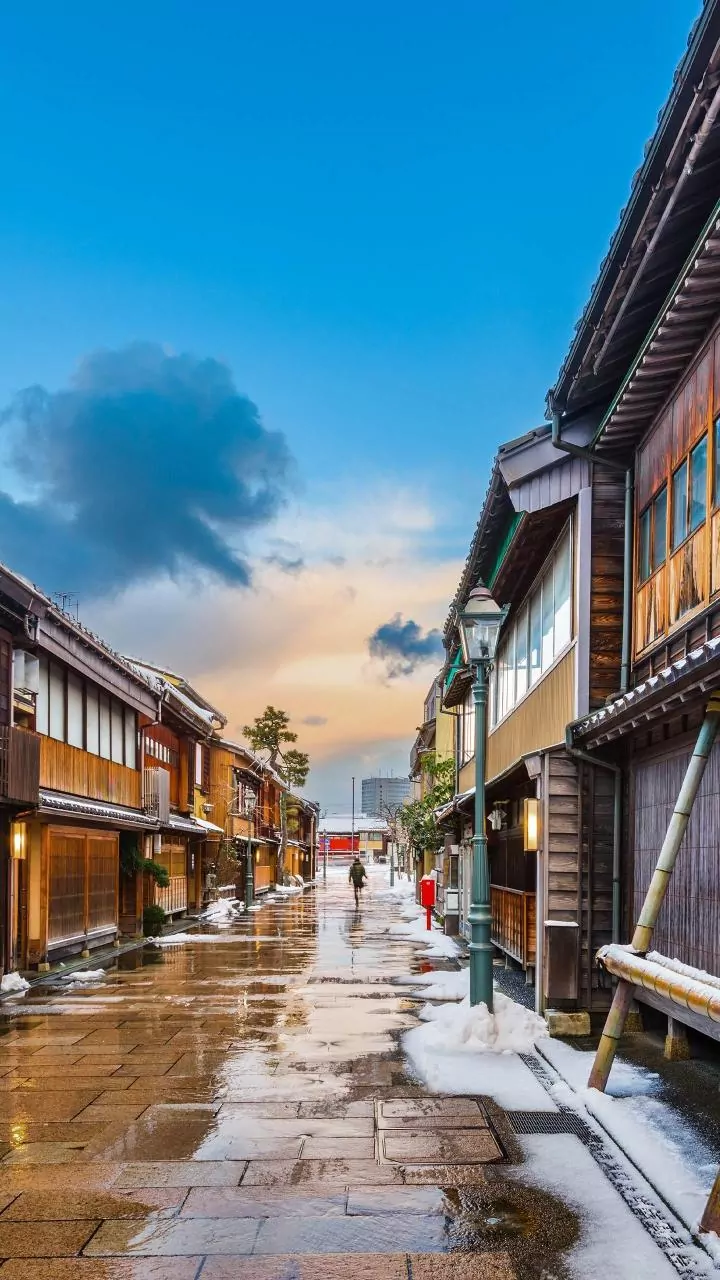
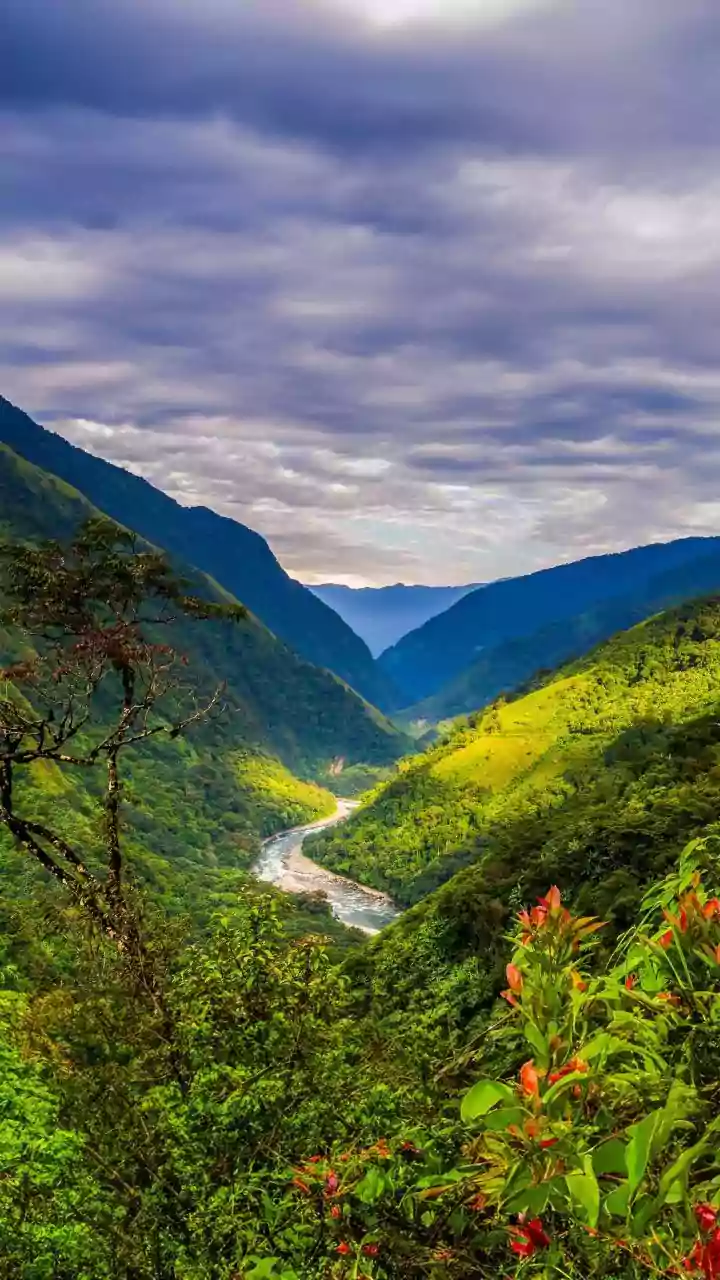
The best way to beat the crowds is to sidestep them. Japan's excellent train network makes it easy to explore beyond the 'Golden Route' of Tokyo-Kyoto-Osaka. For a 'Little Kyoto' experience with a fraction of the tourists, consider Kanazawa, which boasts beautiful gardens, preserved Edo-era districts, and a strong craft culture. Instead of just Takayama, its quieter sister town Hida Furukawa offers similar atmospheric charm. For those seeking tranquil temples and nature, destinations like Nikko or the San'in region offer stunning scenery without the overwhelming numbers. Exploring these lesser-known areas not only provides a more relaxed trip but also helps distribute the benefits of tourism more evenly across the country.