



The Forest's Hardy Gift
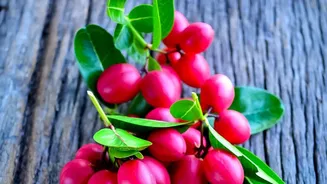
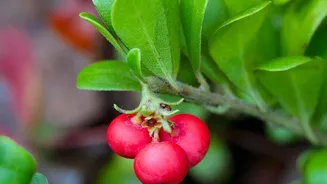
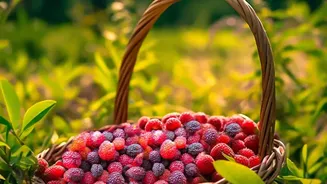
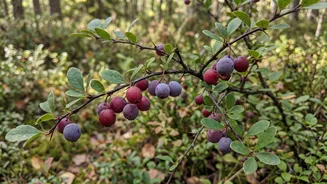
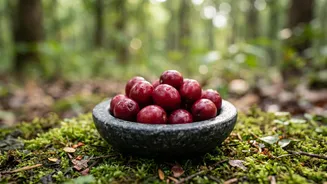
The Karauli Dang region, a landscape of ravines and arid terrain, is home to the resilient Indian jujube, or wild 'ber'. This fruit, often called the 'apple of the forest', thrives without any human intervention like irrigation or fertilisers. It ripens
during the winter, offering a sweet and sour taste that has been a seasonal delicacy for generations. Historically and culturally, the beri is significant, even finding mention in mythological tales like that of Lord Ram and Shabari, symbolising humble, natural offerings. For the local communities, especially tribal groups like the Sahariyas, this hardy plant is a cornerstone of their existence.
A Powerhouse of Nutrition
Beyond its cultural importance, the wild beri is a nutritional powerhouse. It is packed with Vitamin C, a crucial immunity booster, and is an excellent source of dietary fibre, which aids digestion. According to nutrition experts, 100 grams of fresh beri can provide nearly all of a woman's daily Vitamin C requirement, outperforming even oranges in this regard. The fruit is also rich in minerals like potassium, phosphorus, calcium, and manganese, which are vital for heart health and maintaining electrolyte balance. As a low-calorie snack, it has been a source of effortless, natural sustenance for villagers and herdsmen for centuries.
The Winter Harvest and Its People
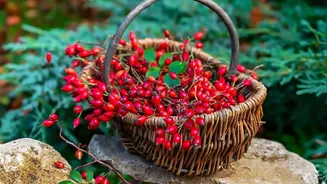
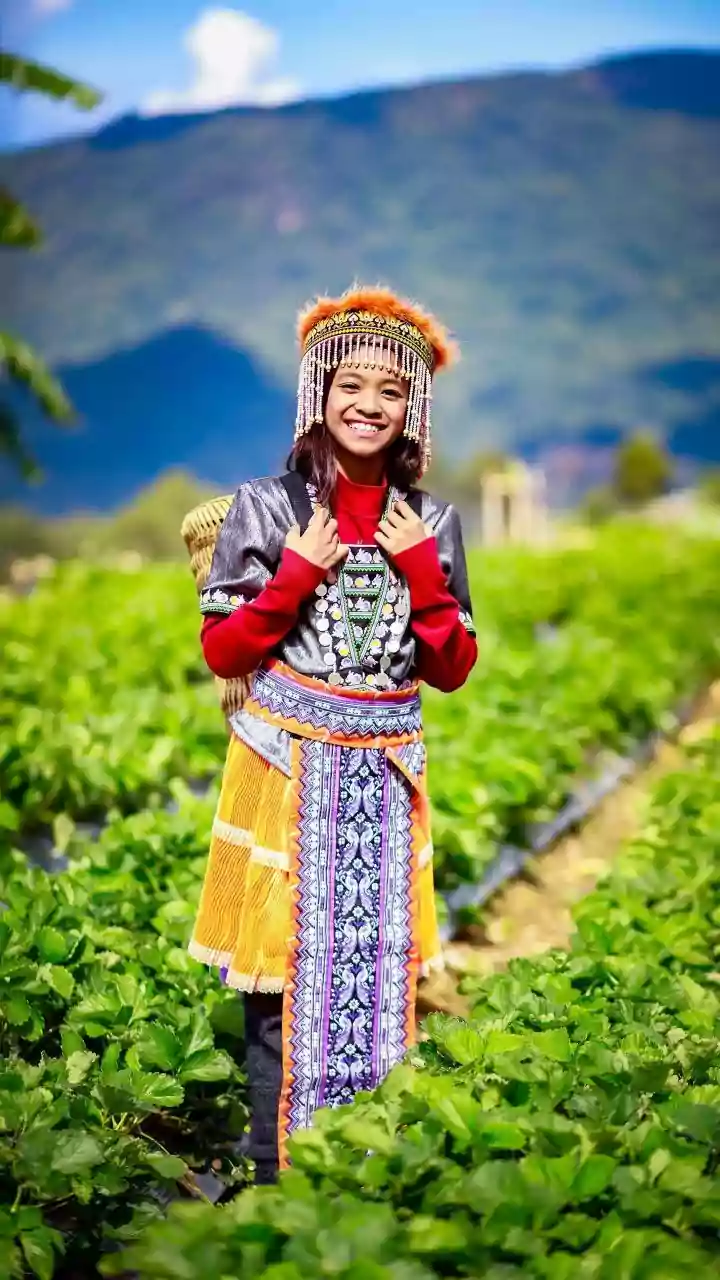
The winter months are the prime season for harvesting beri. The cooler weather, with temperatures between 8°C and 25°C, makes the physically demanding work of collection more manageable compared to the region's scorching summer heat. This is when tribal communities, particularly the Sahariyas who are expert forest gatherers, venture into the ravines to collect the ripe fruit. This activity is not just about gathering food; it's a critical economic lifeline. For many families in this isolated region, selling forest produce like wood, gum, honey, and beri is their main source of income. The winter harvest provides a crucial financial cushion in an area with limited agricultural and industrial opportunities.
Why the Context of the Harvest Matters
Understanding the context of the winter harvest is key to appreciating its true significance. This is not a large-scale commercial operation but a tradition-bound activity that supports some of the most vulnerable communities. However, this livelihood is fraught with challenges. The income from selling wild berries can be unpredictable, often depending on fluctuating market prices and the presence of middlemen who can exploit the collectors. Furthermore, the impacts of climate change, such as erratic rainfall and temperature shifts, threaten the natural yield of the beri plants, creating uncertainty for future harvests. The physical hardship of navigating the difficult terrain to collect the fruit also takes a toll.
A Delicate Socio-Ecological Balance
The story of the wild beri is a perfect example of how non-timber forest products (NTFPs) are vital to the livelihoods of millions. Globally, an estimated one in five people depends directly on wild-harvested products for food and income. In the Karauli Dang forest, the beri harvest represents a delicate balance between ecology, tradition, and economy. The sustainable collection of this fruit, guided by traditional knowledge, has allowed both the forest and the community to thrive for centuries. However, the growing pressures of the modern market and a changing environment mean that this balance is more fragile than ever. Supporting these traditional practices and ensuring fair compensation for the collectors is essential for preserving this unique cultural and economic heritage.