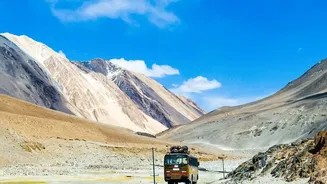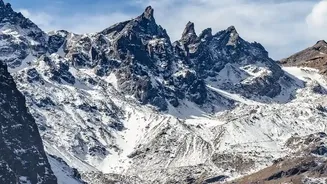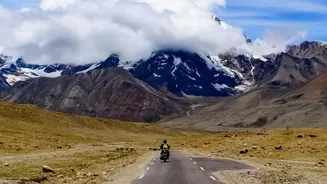



Understanding Autumn Conditions
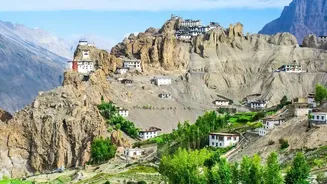
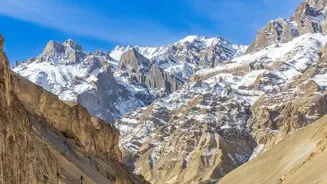
September and October are considered a prime window to visit Spiti, with the monsoon retreated and tourist traffic thinning. However, this season is a period of transition. While days can be sunny, temperatures drop sharply after sunset, often falling
below freezing. The primary risk in autumn is the increasing unpredictability of weather on high passes like Kunzum La (4,590 metres) and Rohtang Pass. From mid-October onwards, the chances of snowfall increase, which can lead to slippery roads, black ice, and temporary pass closures. The Manali-Kaza route becomes particularly risky, with many advising against it late in the season. Services also start to wind down; smaller guesthouses and eateries may close, making planning ahead for accommodation and supplies crucial.
Vehicle Preparation: Your First Line of Defence
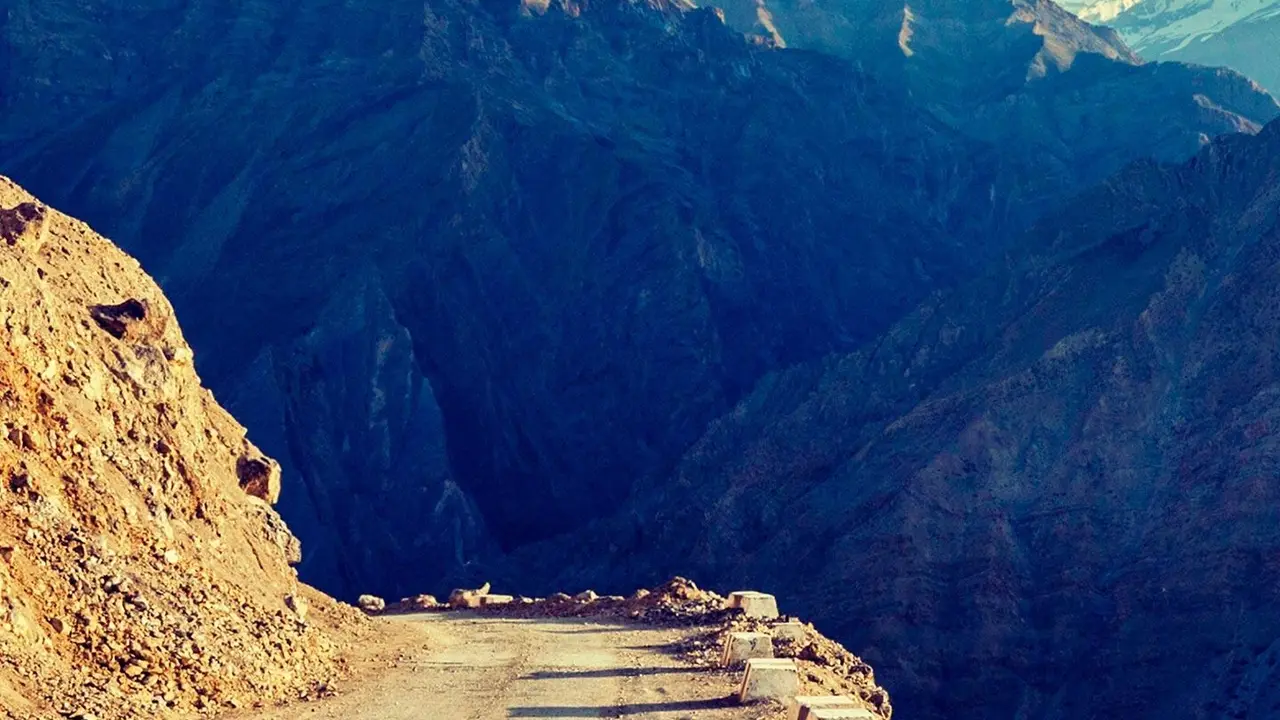
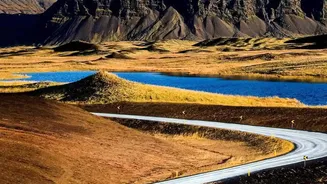
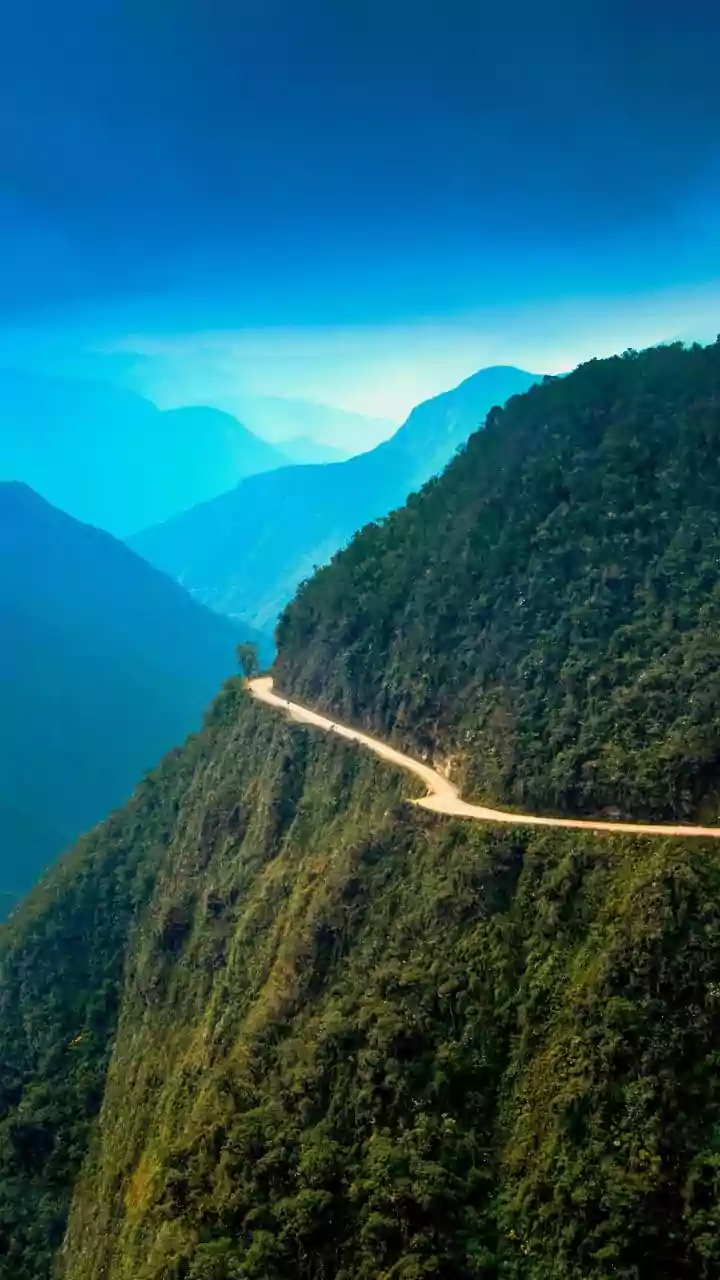
The roads in Spiti are notoriously treacherous, ranging from paved sections to gravel tracks and water crossings. Before you even think about the journey, your vehicle must be in top condition. Start with a full service at least two weeks before your trip. Pay special attention to brakes, as you'll rely on them heavily on steep descents. Ensure your tyres have excellent tread; all-terrain (AT) tyres are highly recommended over standard highway tyres. A vehicle with high ground clearance, like an SUV, is advantageous, though not strictly mandatory if you're an experienced driver. Carry a comprehensive toolkit, including a reliable jack, a puncture repair kit, an air compressor, and jump-start cables. Given the limited fuel stations, especially on the Manali-Kaza stretch, carrying spare fuel in a safe jerry can is a wise precaution.
Driver Health: The Altitude Factor
High-altitude driving is not just about skill; it's about your physical well-being. Acute Mountain Sickness (AMS) is a serious risk in Spiti, where you'll consistently be above 3,000 metres. It can affect anyone, regardless of age or fitness level. The key to prevention is gradual acclimatisation. The Shimla-Kaza route is highly recommended for first-timers as it involves a slower ascent. Symptoms of AMS include persistent headaches, nausea, dizziness, and fatigue. To mitigate risks, stay hydrated by drinking 3-4 litres of water daily, eat carbohydrate-rich meals, and avoid alcohol for the first few days at altitude. The principle of 'climb high, sleep low' is effective: take day trips to higher altitudes but return to a lower elevation to sleep. If symptoms become severe, the only cure is immediate descent.
On The Road: Safe Driving Practices
Driving in the mountains requires a different mindset. Always start your day early to maximise daylight and avoid driving after dark when visibility drops and temperatures plummet. Maintain a slow, steady speed and avoid sudden braking, especially on loose gravel. On narrow roads, the unwritten rule is to give way to uphill traffic. Honk on blind turns to alert oncoming vehicles. When descending steep gradients, use lower gears to engage engine braking and prevent your brakes from overheating. Be particularly cautious of 'shooting stones' in landslide-prone areas, often marked by BRO signs. Always keep buffer days in your itinerary to account for unexpected delays from weather or road closures.
Essential Packing and Supplies
Beyond your standard luggage, a few key items are non-negotiable for a Spiti road trip. Pack clothing in layers, including thermal wear, fleece jackets, and a windproof outer shell to adapt to fluctuating temperatures. A well-stocked first-aid kit is crucial, including basic painkillers, bandages, and any personal medications. Given the high altitude, it's wise to carry medications for AMS, though you should consult a doctor before taking anything like Diamox. Carry enough cash, as ATMs are scarce and often unreliable. Power banks are essential, as electricity can be erratic in remote villages. High-energy snacks and an ample supply of water are also a must for long driving days between sparse facilities.