




The Hidden Costs of Plastic
For decades, plastic has been the default choice in many homes for its affordability and convenience. From storage containers to cooking utensils, it’s everywhere. However, growing awareness is shedding light on its downsides. Studies have shown that
chemicals like Bisphenol A (BPA) and phthalates, often used to make plastics flexible and durable, can leach into food, especially when heated. These chemicals are identified as endocrine disruptors, potentially leading to hormonal imbalances and other health issues. Furthermore, the problem of microplastics entering our food chain from worn-out plastic containers and cutting boards is a significant concern. Beyond health, the environmental toll of non-biodegradable plastic waste adds another compelling reason to seek out sustainable alternatives.
An Earthen Renaissance
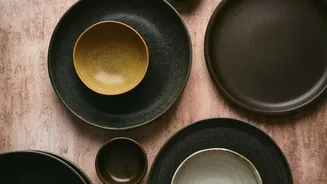
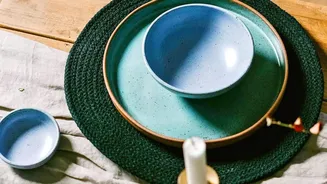
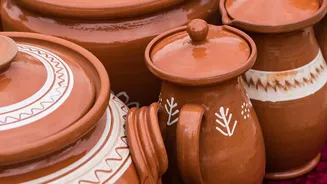
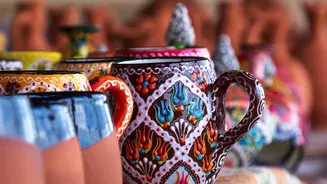
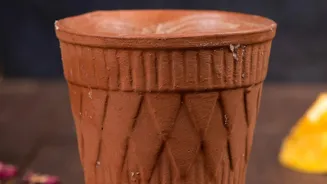
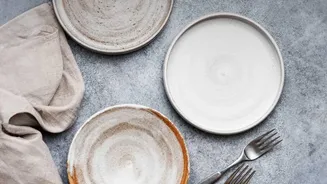
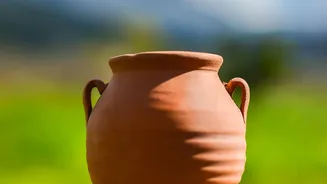
Enter terracotta, the humble clay pot that was once a staple in every Indian household. This return to earthenware is more than a fleeting trend; it’s a conscious choice for a healthier, more sustainable lifestyle. Modern terracotta is not just about traditional 'matkas' and 'handis'. Today’s artisans are blending age-old techniques with contemporary design, creating minimalist, chic, and functional pieces that fit seamlessly into modern homes. From elegant water jugs and sleek serveware to stylish planters and minimalist dinner sets, artisan clay is being reimagined for the 21st-century home, proving that tradition and modernity can coexist beautifully.
The Health Benefits of Cooking with Clay
Cooking in clay pots is a fundamentally different experience from using metal or non-stick pans. Clay is naturally porous, which allows heat and moisture to circulate evenly throughout the pot. This slow-cooking process helps retain the food's nutrients, particularly heat-sensitive vitamins that can be destroyed by high-heat cooking. Clay is also alkaline in nature, which helps to neutralize the pH balance of acidic foods like tomatoes and tamarind, making them easier to digest and gentler on the stomach. Unlike coated metal pans, pure, unglazed terracotta is free from synthetic chemicals, ensuring that no harmful substances leach into your meals. Many users also find they need less oil when cooking in clay pots, as the natural moisture retention prevents food from sticking.
A Superior Culinary Experience
Beyond the health advantages, the most celebrated benefit of terracotta is its impact on flavour. Food cooked in an earthen pot has a distinct, deeper taste. The slow, even cooking allows flavours to meld together perfectly, resulting in dishes that are more aromatic and delicious. Meats become more tender, and vegetables retain their vibrant colours and textures. Even water stored in a clay 'matka' tastes different—naturally cool with a subtle earthy sweetness that refrigerated water in a plastic bottle cannot replicate. This enhancement of taste is one of the main reasons why chefs and home cooks alike are rediscovering the magic of clay.
Supporting Artisans and Sustainability
Choosing artisan clay is also a vote for sustainability and cultural preservation. These products are biodegradable and made from a natural resource, significantly reducing your environmental footprint compared to plastic. This trend also provides crucial support to India’s pottery clusters and artisan communities, many of whom have struggled to compete with mass-produced goods. By purchasing handcrafted terracotta, consumers are helping to sustain age-old craft traditions and empower skilled artisans, ensuring their invaluable knowledge is passed down through generations.
A Practical Guide to Using Terracotta
Ready to make the switch? Here are a few tips. Before first use, it's essential to season a new unglazed clay pot by soaking it in water overnight. This strengthens the pot and prevents cracking. When cooking, always start on a low flame and increase the heat gradually. For cleaning, avoid using harsh soaps or detergents, which can get absorbed into the porous clay. Instead, use hot water, a stiff brush, and natural cleaning agents like baking soda for tougher stains. Finally, always allow your pots to dry completely before storing them to prevent any mould growth.