

What Exactly Is Slow Decorating?
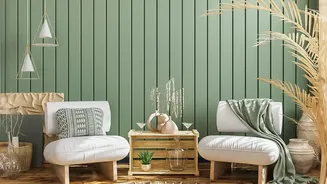
Slow decorating is the mindful practice of curating your living space over time rather than rushing to fill it with mass-produced items. It’s a philosophy that prioritizes quality over quantity, personal stories over fleeting trends, and sustainability
over speed. Originating from the 'Slow Food' movement, which championed local and traditional cooking against fast food, this approach to interiors applies the same principles to our homes. Instead of aiming for a showroom-perfect look in a week, you allow your home to evolve organically, reflecting your life's journey, travels, and changing needs. The goal is to create a space that feels collected and authentic, telling a story that is uniquely yours.
The Art of Living First, Decorating Later
The core of this trend is the idea that you can't truly know what a space needs until you’ve lived in it. Instead of immediately buying furniture and decor upon moving in, the slow method encourages a period of observation. Pay attention to the practical realities of your home. Where does the morning sun fall, creating a perfect spot for a coffee nook? Which corner naturally becomes a dumping ground for bags and keys, suggesting a need for smart storage? By simply living your daily life, you learn the room's natural traffic patterns, its quirks, and its potential. This observational phase prevents costly mistakes, like buying a sofa that's too big or placing a bookshelf in a spot that blocks a walkway. It ensures that every design choice is a solution to a real need, not just an attempt to fill an empty space.
Moving Beyond Fast Furniture
A major driver of the slow-decorating movement is a reaction against 'fast furniture'—the home-goods equivalent of fast fashion. These trendy, cheaply made items are often designed to be replaced within a few years, contributing to significant landfill waste. Slow decorating encourages a more sustainable mindset. It champions investing in timeless, well-crafted pieces that are built to last. This might mean saving up for a quality dining table, searching for a unique vintage armchair, or repurposing an heirloom. This approach is not only better for the environment but also for your wallet in the long run, as it reduces the cycle of buying, regretting, and replacing. It helps you curate a home filled with meaningful objects rather than disposable ones.
How to Embrace a Slower Approach
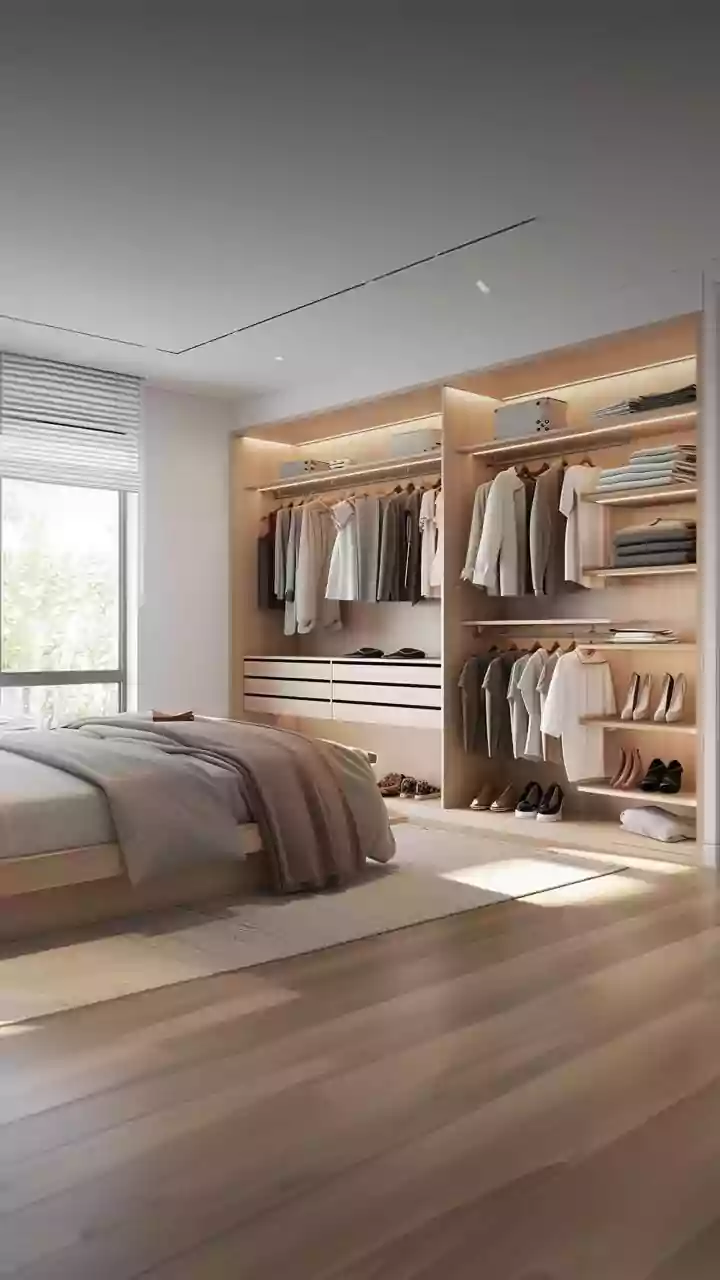
Starting with slow decorating doesn't mean living in an empty box. It's about making intentional choices. Begin by creating a mood board to clarify your vision and style. Focus on foundational pieces first, like a quality sofa or bed frame, which will anchor the room. Live with empty space for a while; it gives you room to think and avoids clutter from impulse purchases. Don’t be afraid to use temporary solutions, like a borrowed table, while you search for the perfect piece. Most importantly, learn to enjoy the process. A home isn't a project with a deadline; it's an ever-changing reflection of who you are. Let it evolve with you, one thoughtful and cherished addition at a time.