




The Symphony of Waterfalls
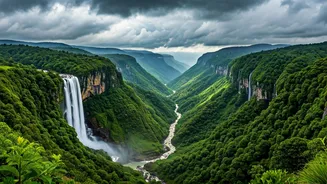
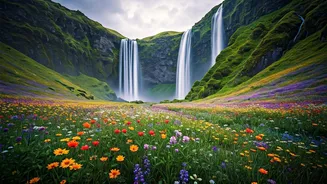
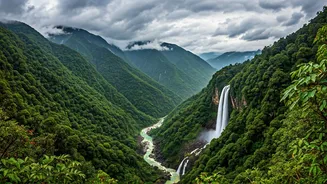
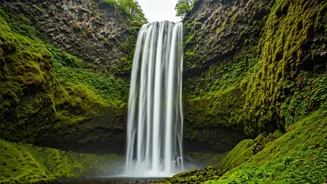
Forget the gentle cascades of the dry season. The Meghalayan monsoon unleashes a dramatic spectacle of water in its most powerful form. Waterfalls like Nohkalikai, once a single, elegant plunge, become thunderous torrents. The Seven Sisters Falls (Nohsngithiang
Falls) live up to their name, with multiple streams gushing down the limestone cliffs in a unified, roaring display. The sound is overwhelming—a constant, deep rumble that you feel in your chest. The mist from these falls travels hundreds of metres, drenching everything in a fine spray. It’s not just about seeing a waterfall; it's about being enveloped by its sheer force and witnessing the landscape being carved in real-time.
A World Washed in Green
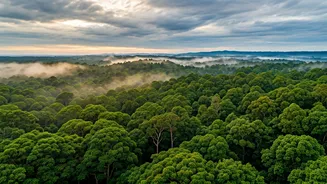
The transformation of the landscape is absolute. During the monsoon, Meghalaya is painted in a thousand shades of green, from the deep emerald of the wet foliage to the bright, almost fluorescent green of new shoots. The rolling Khasi hills, which can look tired and brown in the summer, become a lush, velvety carpet. This isn't a passive, static beauty; it's a living, breathing vibrancy. The air itself feels thick with life, heavy with the scent of wet earth, pine, and blooming orchids. Driving through the winding roads feels like navigating a tunnel of green, with ferns and mosses reclaiming every rock, wall, and tree trunk.
Walking Among the Clouds
Meghalaya’s name, 'The Abode of the Clouds,' is never more literal than during the monsoons. In places like Cherrapunji (Sohra) and Mawsynram, the world’s wettest places, the line between sky and earth dissolves. You don't just see the clouds; you walk through them. A sunny morning can give way to a sudden, dense fog that reduces visibility to mere feet, creating an ethereal, mysterious atmosphere. Valleys disappear and reappear as the clouds drift. This constant dance of mist and light makes the scenery dynamic and unpredictable, offering a profoundly humbling experience of being a small part of a much larger, atmospheric drama.
The Magic of Living Root Bridges
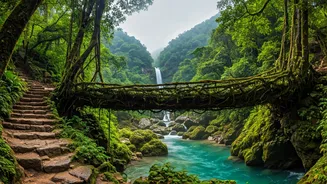
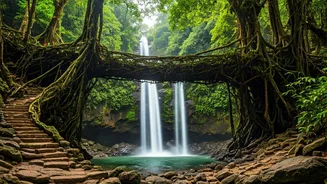
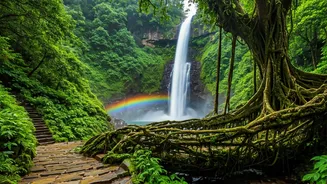
While impressive year-round, the living root bridges of Meghalaya take on a special significance during the monsoon. These marvels of bio-engineering, patiently guided by the Khasi and Jaintia tribes from the roots of rubber fig trees, are a testament to living in harmony with nature. During the rains, the rivers they span swell into powerful currents, making these bridges not just beautiful but essential lifelines. The roots are slick with moss, the leaves above drip with a steady rhythm, and the whole experience feels ancient and sacred. Crossing a root bridge in the rain, with a raging river below, is a powerful reminder of how nature can be both a challenge and a solution.
The Rhythmic Pulse of the Rain
In a city, rain is often a chaotic noise. In Meghalaya, it’s music. The soundscape is one of the most immersive parts of the monsoon experience. There’s the relentless drumming on tin roofs, the gentle patter on broad leaves, and the distant roar of swollen rivers. It’s a constant, soothing backdrop to life. For visitors, it offers a rare chance to disconnect and surrender to a natural rhythm. Spending an afternoon with a cup of hot tea, watching sheets of rain sweep across a valley, is a form of meditation. It’s here you realise the monsoon isn't something to be endured, but an atmosphere to be savoured.