




The Safe Pair of Hands
In times of turmoil, institutions often turn to what they know. With Ben Stokes retiring and Test coach Brendon McCullum also departing his red-ball duties, the England and Wales Cricket Board (ECB) faces a leadership vacuum. Joe Root, England's most
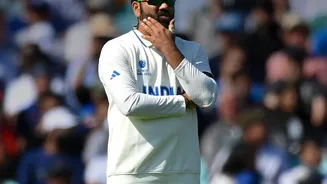
prolific Test run-scorer, represents stability. He has captained the side in a record 64 Test matches and, despite a difficult end to his first tenure, is a universally respected figure in the dressing room. The thinking is clear: in a period of transition, with a home series against Pakistan looming and an Ashes series next summer, Root is a plug-and-play solution who requires no learning curve. He recently stepped in as a stand-in for Stokes during the New Zealand series, an experience that seems to have convinced the ECB that he is the best option to navigate the team through choppy waters.
Why Not Brook? The Burden of Expectation
On the surface, Harry Brook is the obvious, forward-looking choice. He is the current Test vice-captain and has impressed as the leader of England’s white-ball teams. Even the outgoing Stokes endorsed him as the natural successor. However, the ECB's hesitation stems from a desire to protect its most explosive asset. Brook is already the captain of both the ODI and T20I sides, and making him a three-format skipper is seen as a significant risk. The board is reportedly keen to avoid overburdening the 27-year-old, allowing him to focus on his batting and his existing leadership roles ahead of the 2027 World Cup. Handing him the Test job now, especially without a permanent Test coach in place, could be a recipe for burnout, jeopardising the long-term future of a player seen as a generational talent.
The Ghost of Captaincy Past
It’s impossible to discuss Root’s return without acknowledging how his first spell ended in 2022. He stepped down after a draining run of just one win in 17 Tests, with the pressure of the job visibly affecting his own form at times. Many, including Root himself, felt he was done with the role for good. So why go back? Reports suggest that his sense of duty to the team in a crisis has overridden his personal reservations. Liberated from the captaincy, Root has been in sublime form with the bat, and there is a risk that resuming the leadership could once again weigh him down. However, the ECB appears to be betting that a more experienced Root, freed from the all-encompassing pressure of the Stokes-McCullum era and serving for a defined period, can handle the responsibility differently this time around.
A Temporary Fix, Not a Permanent Solution
The language surrounding Root’s expected appointment suggests this is not a long-term plan. Most reports indicate he will lead the team through the upcoming Pakistan series and next summer's home Ashes. This framing positions Root as a bridge captain, a steadying influence until a permanent structure can be established. This involves not only finding a new Test coach but also allowing Brook to mature further as a leader. In an ideal world, Stokes would have continued until after the 2027 Ashes, giving Brook more time as his understudy. The current plan seems to be a pragmatic compromise: use Root to solve the immediate crisis while keeping the long-term vision for Brook intact. It delays the start of the Harry Brook era, rather than cancelling it.