




In the daily quest for better health, we often face simple choices: tea or coffee, stairs or lift, and in the vegetable aisle, carrots or spinach? This common kitchen face-off begs the question: is one truly better than the other?
The Case for Carrots
Carrots have a stellar
reputation for a reason. Their bright orange colour comes from beta-carotene, a powerful antioxidant that the body converts into Vitamin A. This vitamin is crucial for maintaining good vision, supporting a healthy immune system, and promoting cell growth. A single serving of carrots can provide a significant portion of your daily Vitamin A requirement. Beyond that, carrots are a good source of fibre, which aids digestion and can help you feel full, potentially assisting with weight management. They also provide important minerals like potassium. Interestingly, cooking carrots can actually increase the amount of beta-carotene your body can absorb.
The Strength of Spinach
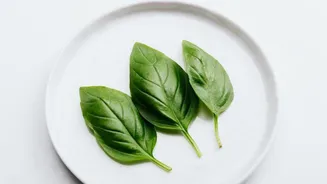
Spinach, a versatile leafy green, brings a different set of nutritional strengths to the table. It is an absolute powerhouse of Vitamin K, a nutrient essential for blood clotting and building strong bones. In fact, a single leaf can contain over half of your daily needs. Spinach is also packed with iron, which is vital for transporting oxygen in the blood, and folate, a B vitamin crucial for normal cell function. It's also a great source of Vitamin C, magnesium, and calcium. While raw spinach is great in salads, cooking it can help your body absorb more of its iron and calcium, as heat breaks down a compound called oxalic acid that can block their absorption.
The Verdict: Why Not Both?
So, which one wins? The truth is, there's no single champion. Carrots are superior in Vitamin A, while spinach dominates in Vitamin K, iron, and folate. Choosing one over the other means missing out on the unique benefits of its counterpart. The real winner is the person who puts both in their shopping basket. This head-to-head comparison perfectly illustrates a more important nutritional principle: variety is not just the spice of life, it's a cornerstone of good health.
Eat the Rainbow for Phytonutrients
The vibrant colours of vegetables aren't just for show; they signify the presence of thousands of different beneficial plant compounds called phytonutrients. These compounds act as the plant's natural defence system and offer health benefits to us when we eat them. Orange vegetables like carrots contain carotenoids, which support eye and immune health. Green vegetables like spinach are rich in compounds like lutein and indoles, which have anti-cancer properties and protect vision. Red vegetables get their hue from lycopene, a powerful antioxidant, while blue and purple ones contain anthocyanins, which are linked to better brain function. By eating a wide range of colours—a practice often called 'eating the rainbow'—you ensure you're getting a broad spectrum of these protective compounds.
A Varied Diet for a Healthy Gut
The benefits of variety extend deep into your digestive system. Your gut is home to trillions of microbes, and a diverse microbiome is linked to better overall health. These beneficial bacteria feed on dietary fibre, but different types of fibre nourish different kinds of bacteria. Eating a wide range of vegetables provides a diverse buffet for your gut microbes, helping them to thrive. Studies have shown that people who eat 30 or more different types of plant foods per week have a significantly more diverse gut microbiome than those who eat 10 or fewer. This diversity can reduce inflammation, lower the risk of chronic disease, and even support your immune system.
Simple Ways to Boost Your Vegetable Variety
Incorporating more variety doesn't have to be complicated. Start by aiming to try one new vegetable each week. If you're making a stir-fry or soup, toss in an extra vegetable you wouldn't normally use. Don't overlook the freezer aisle; frozen vegetables are just as nutritious as fresh ones and are convenient to have on hand. Adding a handful of spinach to a smoothie or some shredded carrots to pasta sauce are easy ways to boost your intake without drastically changing your meals. The goal is progress, not perfection. Every additional vegetable you add to your plate contributes to a broader range of nutrients and a healthier you.